The letters of the younger Pliny First series - Volume 1 presents a curated collection of correspondence that captures the daily rhythms, intellectual concerns, and social environments of ancient Rome.
The rise of the Dutch Republic Volume 19 begins in a time of escalating turmoil, when foreign domination and strict religious controls spark widespread dissatisfaction.
The history of the reign of Ferdinand and Isabella the Catholic Volume 2 examines the transformative period of Spain under the rule of Ferdinand and Isabella, focusing on the consolidation of power, the strengthening of the monarchy, and the complex interplay between religion and governance.
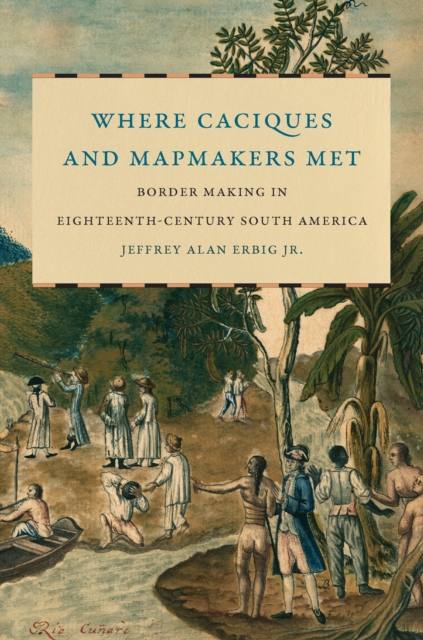
During the late eighteenth century, Portugal and Spain sent joint mapping expeditions to draw a nearly 10,000-mile border between Brazil and Spanish South America.
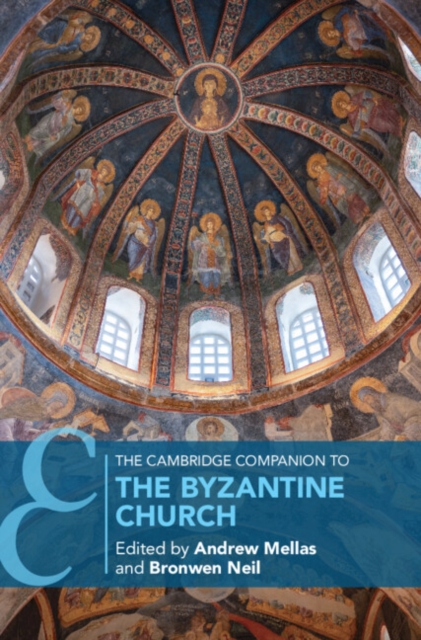
South of the Golden Horn, on the narrow tongue of land-narrow it seems as seen from the hills of the northern shore-is the city of Constantine and his successors in empire, seated, like the old Rome, on seven hills, and surrounded on three sides by sea, on the fourth by the still splendid, though shattered, mediaeval walls.
This exceptional production, steeped in pregnant constructions, is pregnant with Why Yoruba Should Be the 7th Official Language of the United Nations, while acting as the humble mouthpiece of the African languages.
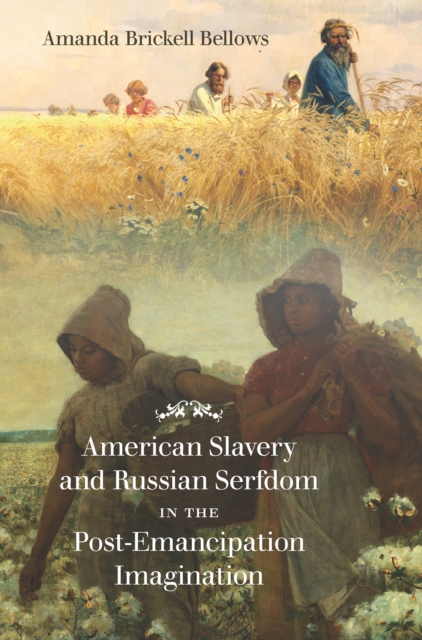
The abolition of Russian serfdom in 1861 and American slavery in 1865 transformed both nations as Russian peasants and African Americans gained new rights as subjects and citizens.
'Makes real events read like a thriller' The Times'Everything you could want in a Cold War thriller' New York Times'Redwood might be his best yet' John GrishamFrom the multi-million copy bestselling historian, the remarkable, unknown Cold War story of how one spy saved the world from nuclear warThe year is 1981.
The abolition of Russian serfdom in 1861 and American slavery in 1865 transformed both nations as Russian peasants and African Americans gained new rights as subjects and citizens.
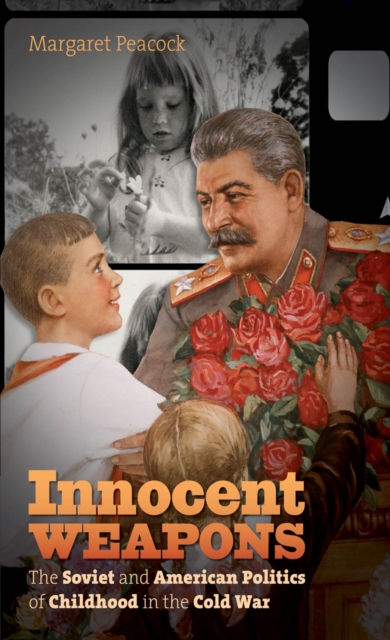
In the 1950s and 1960s, images of children appeared everywhere, from movies to milk cartons, their smiling faces used to sell everything, including war.
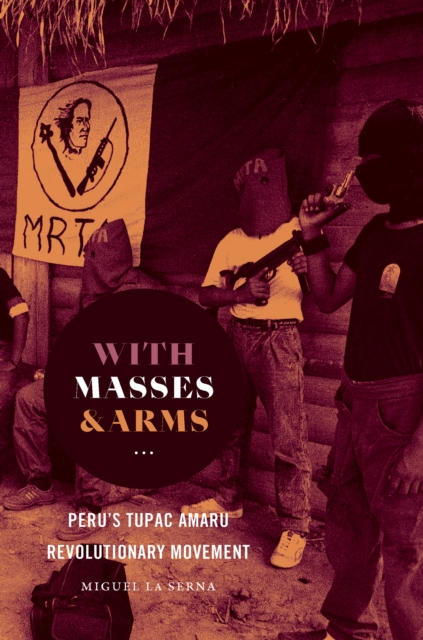
Miguel La Sernas gripping history of the Tupac Amaru Revolutionary Movement (MRTA) provides vital insight into both the history of modern Peru and the link between political violence and the culture of communications in Latin America.
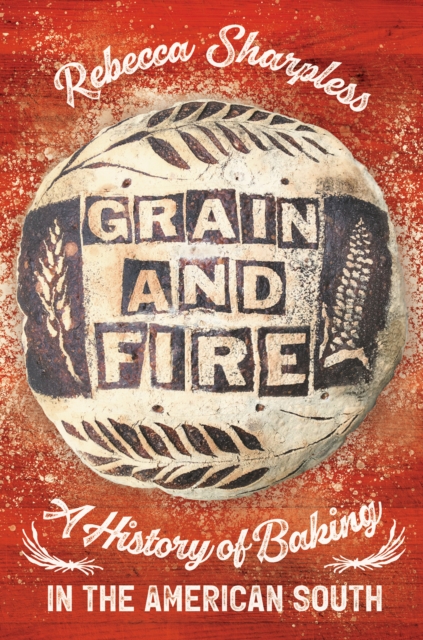
While a luscious layer cake may exemplify the towering glory of southern baking, like everything about the American South, baking is far more complicated than it seems.
The rise of the Dutch Republic - Complete (1566-74) offers a sweeping historical account of the Netherlands' transformation from a fragmented territory under oppressive rule into an independent and flourishing republic.
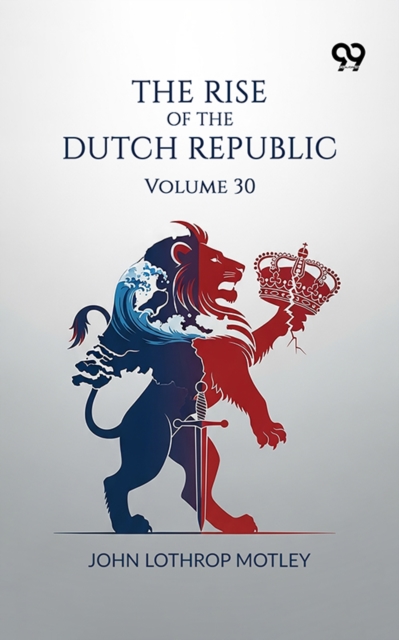
The rise of the Dutch Republic Volume 30 recounts a moment defined by political strain and mounting military pressure as the monarchy's authority grows increasingly difficult for the provinces to accept.
Miguel La Sernas gripping history of the Tupac Amaru Revolutionary Movement (MRTA) provides vital insight into both the history of modern Peru and the link between political violence and the culture of communications in Latin America.
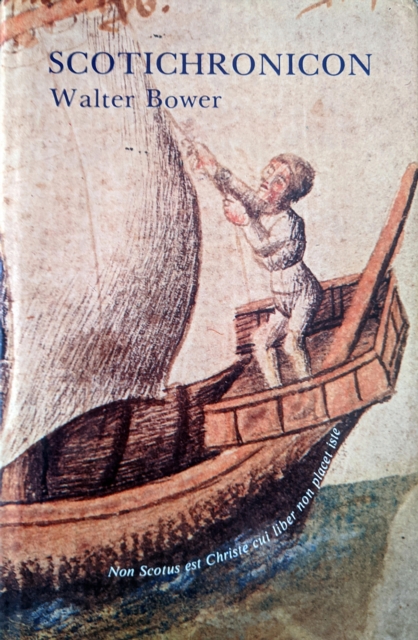
Writing on a small island in the Firth of Forth in the 1440s, Walter Bower set out to tell the whole story of the Scottish nation in a single huge book, the Scotichronicon--'a history book for Scots'.
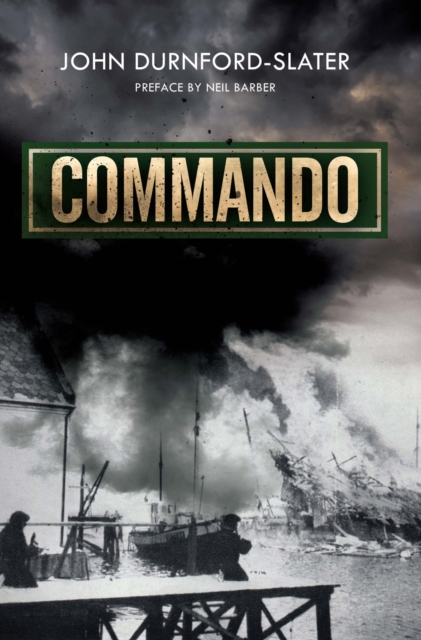
Exciting World War II action The exploits of Britain's wartime commandos Covers fighting in Norway, Italy, France and Germany John Durnford-Slater raised and trained the first Commando unit in 1940, became an outstanding leader of special operations and witnessed some of the most daring exploits of World War II.
The seigneurs of old Canada: A chronicle of new world feudalism examines how a European system of land control and authority was transplanted into a developing colony.
In the 1950s and 1960s, images of children appeared everywhere, from movies to milk cartons, their smiling faces used to sell everything, including war.
School history of North Carolina: From 1584 to the present time presents a structured overview of the region's past, following its development from early European contact to later stages of political and social organization.
This book deepens our understanding of the social, legal, and anthropological issues that arise from the global proliferation of advanced biomedical technologies and how they enable people to use their bodies to express individual and collective identities.