The writings of Samuel Adams Volume II offers a close look at a pivotal stage in early American political development, capturing the unrest and evolving arguments that shaped a growing resistance movement.
Tracing the bankruptcies and subsequent financial receiverships of Mediterranean countries, this book examines sovereign debt crises during the classical era of imperialism leading up to the First World War.
History of the Catholic Church: From the renaissance to the French revolution Volume I presents an account of how the institution adapted to sweeping shifts in thought, culture, and political power across a period defined by profound transformation.
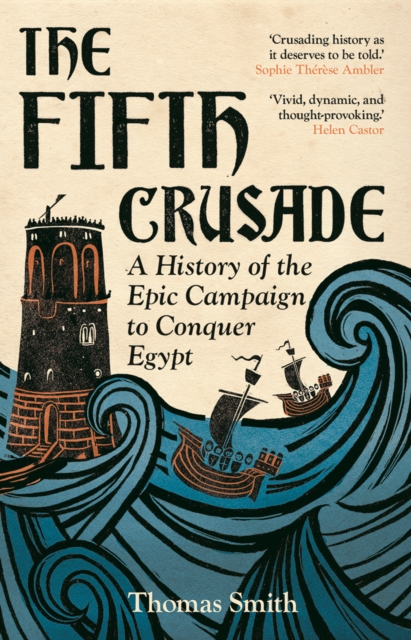
A fascinating account of the Fifth Crusade, the campaign to conquer Egypt and regain the Holy LandIn 1217, the crusader states were in a highly fragile condition.
General history for colleges and high schools offers a broad and organized survey of human development intended to guide students through the major stages of world history.
The rise of the Dutch Republic Volume 3 offers a sweeping historical account of the Netherlands' transformation from a fragmented territory under oppressive rule into an independent and flourishing republic.
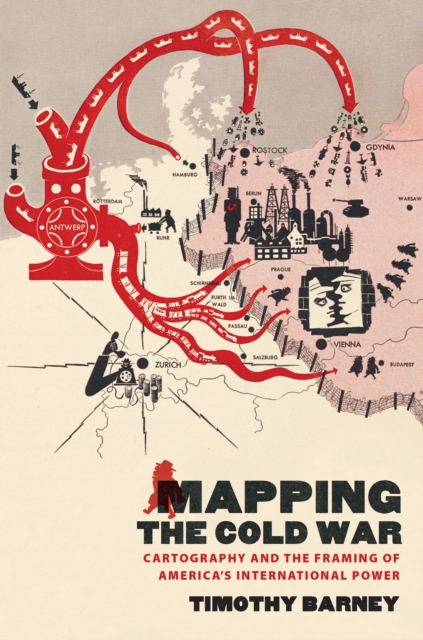
In this fascinating history of Cold War cartography, Timothy Barney considers maps as central to the articulation of ideological tensions between American national interests and international aspirations.
This sweeping new history recognizes that the Civil War was not just a military conflict but also a moment of profound transformation in Americans' relationship to the natural world.
The Civil War diaries of David Hunter Strother, known better to his contemporaries as Porte Crayon, chronicle his three years of service in the Union army with the same cogency and eye for detail that made him one of the most popular writers and illustrators in America in his time.
The old Roman world: The grandeur and failure of its civilization presents a detailed exploration of Rome's rise, dominance, and eventual decline, highlighting both its remarkable achievements and underlying vulnerabilities.
From humble beginnings at Fairlie, Ayrshire, in the early years of the nineteenth century, William Fife and Son grew to become one of Britain's premier yacht-building yards, attracting commissions from as far afield as America, Canada and America.
Bittersweet Legacy is the dramatic story of the relationship between two generations of black and white southerners in Charlotte, North Carolina, from 1850 to 1910.
A sweeping history of global interdependence from the late eighteenth to the twenty-first centurywith essential lessons for todayIn The Capitalist Era, leading global historian Jeremy Adelman puts the world's current unwinding in much-needed historical perspective.
In this fascinating history of Cold War cartography, Timothy Barney considers maps as central to the articulation of ideological tensions between American national interests and international aspirations.
This sweeping new history recognizes that the Civil War was not just a military conflict but also a moment of profound transformation in Americans' relationship to the natural world.
When Confederate men marched off to battle, southern women struggled with the new responsibilities of directing farms and plantations, providing for families, and supervising increasingly restive slaves.
Wendy Cadge and Shelly Rambo demonstrate the urgent need, highlighted by the COVID-19 pandemic, to position the long history and practice of chaplaincy within the rapidly changing landscape of American religion and spirituality.
Reinhold Wagnleitner argues that cultural propaganda played an enormous part in integrating Austrians and other Europeans into the American sphere during the Cold War.
Life and death of john of Barneveld, advocate of Holland: With a view of the primary causes and movements of the thirty years' war 1619-23 offers an examination of political struggle, shifting alliances, and the pressures placed on a developing republic during a period of profound instability.
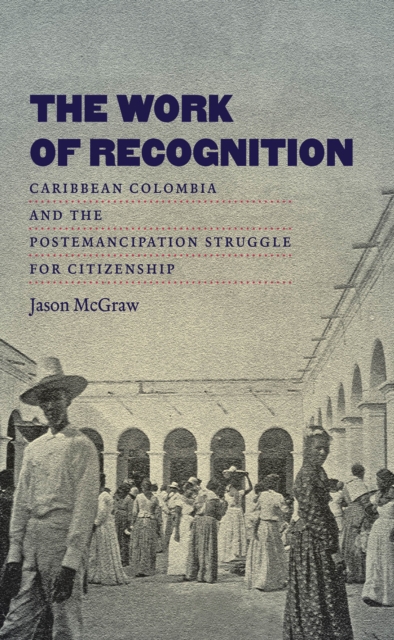
This book tells the compelling story of postemancipation Colombia, from the liberation of the slaves in the 1850s through the countrys first general labor strikes in the 1910s.
Marcie Cohen Ferris gathers a constellation of leading journalists, farmers, chefs, entrepreneurs, scholars, and food activistsalong with photographer Baxter Miller to offer a deeply immersive portrait of North Carolinas contemporary food landscape.
In an examination of religion coverage in Time, Newsweek, Life, The Saturday Evening Post, Ebony, Christianity Today, National Review, and other news and special interest magazines, Sean McCloud combines religious history and social theory to analyze how and why mass-market magazines depicted religions as mainstream or fringe in the postWorld War II United States.
Wendy Cadge and Shelly Rambo demonstrate the urgent need, highlighted by the COVID-19 pandemic, to position the long history and practice of chaplaincy within the rapidly changing landscape of American religion and spirituality.
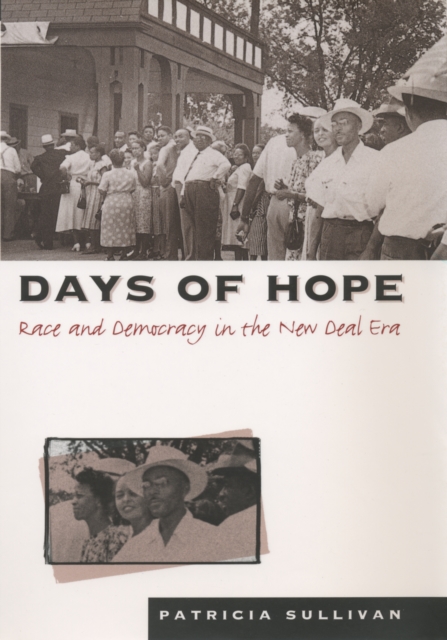
In the 1930s and 1940s, a loose alliance of blacks and whites, individuals and organizations, came together to offer a radical alternative to southern conservative politics.
The inns and taverns of Pickwick presents an exploration of the establishments that shaped the journeys, atmosphere, and cultural backdrop linked to the world of a well-known literary work.
The Civil War diaries of David Hunter Strother, known better to his contemporaries as Porte Crayon, chronicle his three years of service in the Union army with the same cogency and eye for detail that made him one of the most popular writers and illustrators in America in his time.