BOOK DESCRIPTIONTHE GIFT: America's Genius for Creating Its Own RivalsIn 1955, the United States deported Qian Xuesen, America's most brilliant rocket scientist and co-founder of NASA's Jet Propulsion Laboratory, to Communist China.
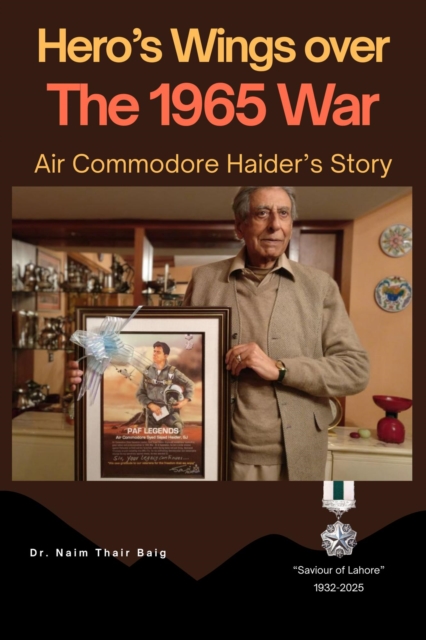
Book DescriptionHero's Wings Over the 1965 War: Air Commodore Haider's StoryIn the annals of military aviation history, few figures embody the confluence of heroism, integrity, and unwavering principle like Air Commodore Syed Sajjad Haider.
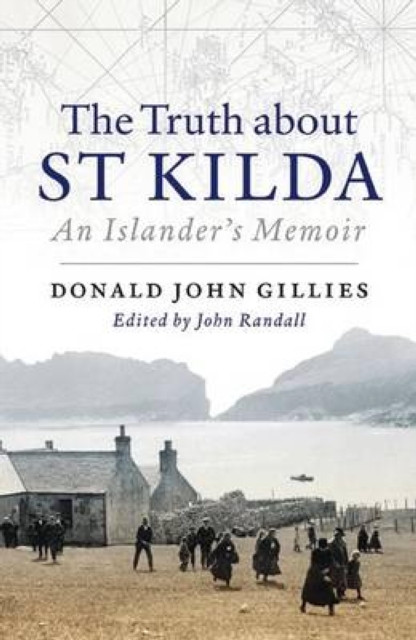
The Truth about St Kilda is a unique record of the isolated way of life on St Kilda in the early part of the twentieth century, based on seven handwritten notebooks written by the Rev.
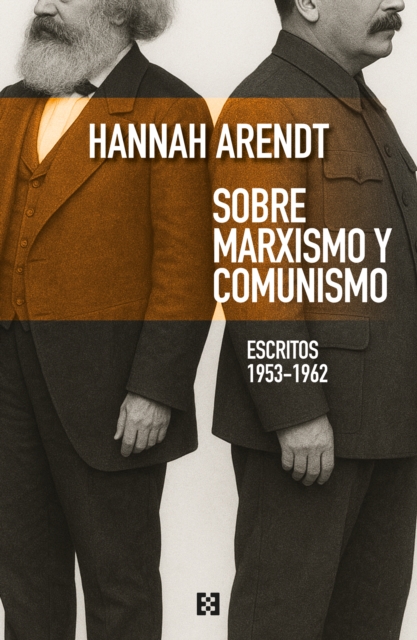
En estos textos Hannah Arendt despliega todo el filo de su pensamiento para examinar, sin concesiones ni dogmas, las relaciones entre ideología, poder y libertad en uno de los momentos más turbulentos del siglo pasado que sigue marcando nuestro tiempo.
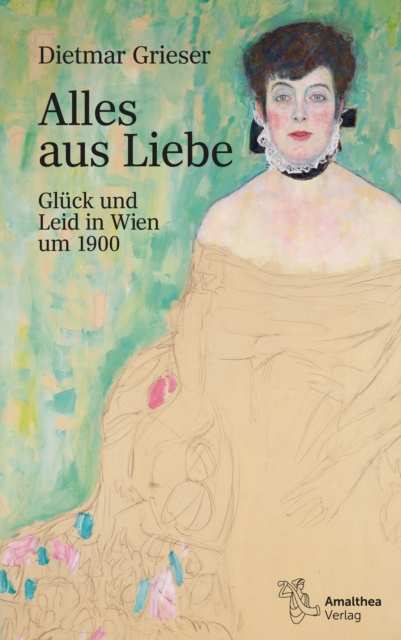
Es ist das Höchste der GefühleOb Egon Schiele oder Gustav Klimt, Arthur Schnitzler oder Stefan Zweig, ob Lina Loos, Alma Mahler-Werfel oder Vicki Baum – wir erleben die großen Künstlerpersönlichkeiten ihrer Zeit in den dramatischsten Momenten ihrer Liebesbeziehungen.
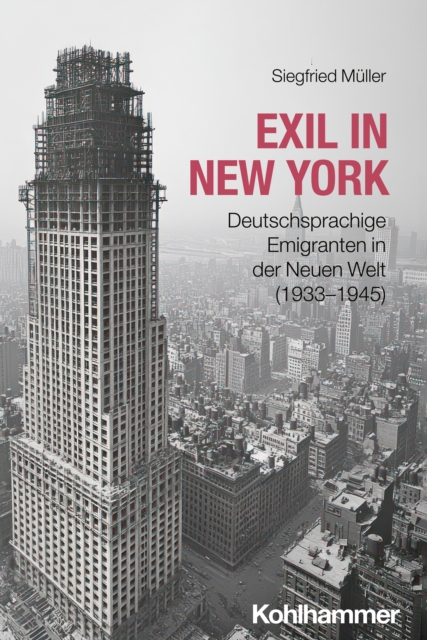
Migration ist in aller Munde, und schnell wird vergessen, dass auch viele Deutsche und Österreicher einst gezwungen waren, ihr Heimatland zu verlassen.
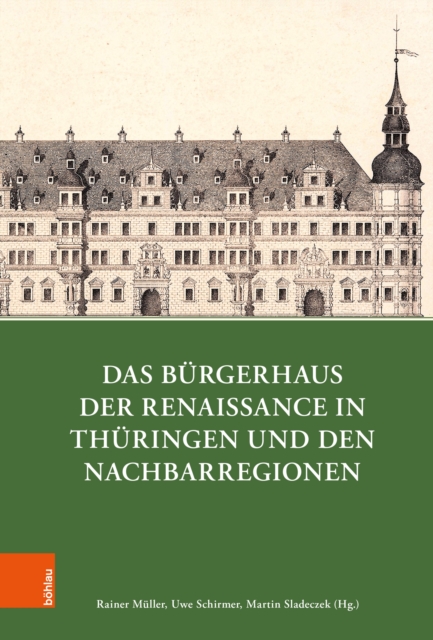
In diesem Band wird erstmals der große Bestand an renaissancezeitlichen Bürgerhäusern in Thüringen und angrenzenden Bundesländern wissenschaftlich aus verschiedenen Perspektiven in den Blick genommen.
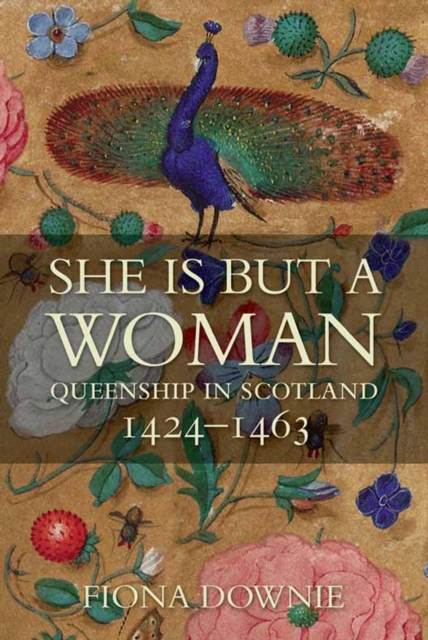
She is but a Woman, the first in-depth study of medieval Scottish queens, investigates the relationship between gender and power in the medieval Scottish court by exploring the art of queenship as practised by Joan Beaufort and Mary of Guelders, queens of James I and James II.
As the most advanced frontier construction of its time, and as definitive evidence of the Romans' time in Scotland, the Antonine Wall is an invaluable and fascinating part of this country's varied and violent history.
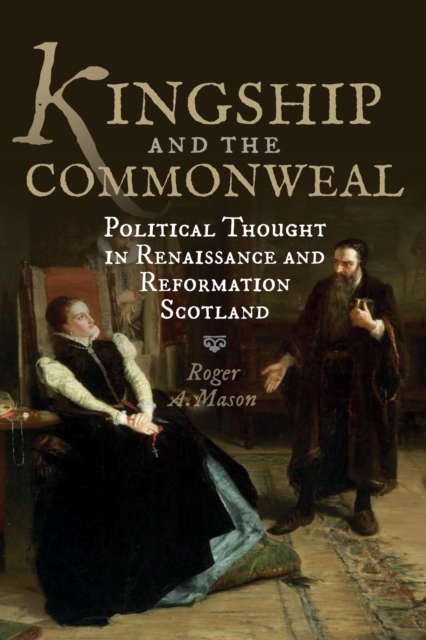
This major collection of essays brings together in readily accessible form the fruits of research into the political thought and culture of Renaissance and Reformation Scotland.
The relationship between Scotland and England has been critical in shaping the cultural and political history of Britain over many centuries, yet historians have rarely devoted much attention to it.
Writing on a small island in the Firth of Forth in the 1440s, Walter Bower set out to tell the whole story of the Scottish nation in a single huge book, the Scotichronicon--'a history book for Scots'.
Writing on a small island in the Firth of Forth in the 1440s, Walter Bower set out to tell the whole story of the Scottish nation in a single huge book, the Scotichronicon--'a history book for Scots'.