From the nineteenth through the mid-twentieth centuries, millions of American men and women participated in fraternal associations--self-selecting brotherhoods and sisterhoods that provided aid to members, enacted group rituals, and engaged in community service.
This collection attempts to recover the voices of women in antiquity from a variety of perspectives: how they spoke, where they could be heard, and how their speech was adopted in literature and public discourse.
In Gold We Trust is a historical and sociological account of how, by the late 1960s, three small Italian towns had come to lead the world in the production of gold jewelry--even though they had virtually no jewelry industry less than a century before, and even though Italy had western Europe's most restrictive gold laws.
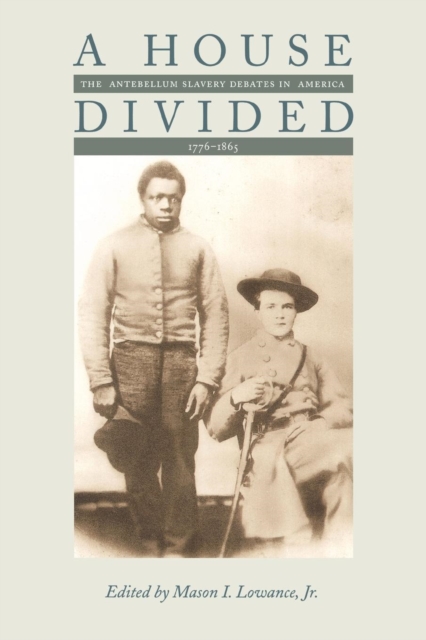
This anthology brings together under one cover the most important abolitionist and--unique to this volume--proslavery documents written in the United States between the American Revolution and the Civil War.
Good strategic assessment does not guarantee success in international relations, but bad strategic assessment dramatically increases the risk of disastrous failure.
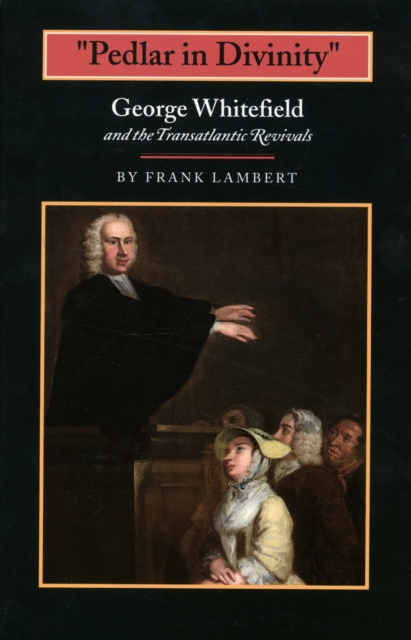
A pioneer in the commercialization of religion, George Whitefield (1714-1770) is seen by many as the most powerful leader of the Great Awakening in America: through his passionate ministry he united local religious revivals into a national movement before there was a nation.
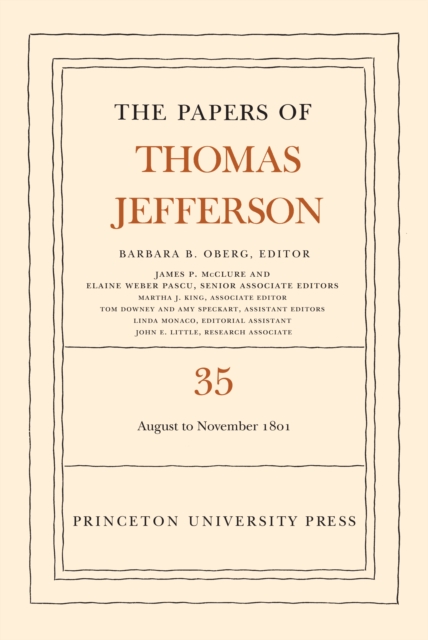
For the first two months covered by this volume, Thomas Jefferson is residing at Monticello, avoiding the "e;rather sickly"e; season in the nation's capital.
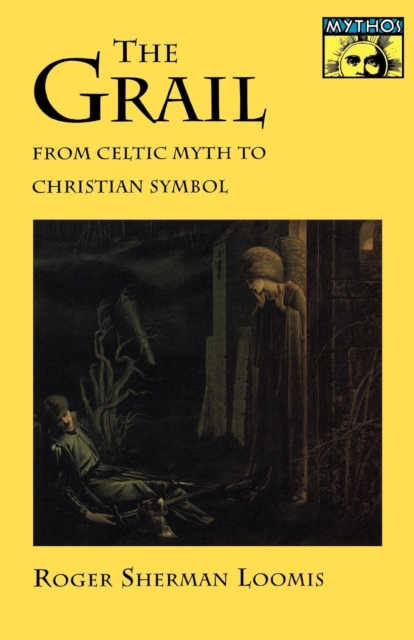
The medieval legend of the Grail, a tale about the search for supreme mystical experience, has never ceased to intrigue writers and scholars by its wildly variegated forms: the settings have ranged from Britain to the Punjab to the Temple of Zeus at Dodona; the Grail itself has been described as the chalice used by Christ at the Last Supper, a stone with miraculous youth-preserving virtues, a vessel containing a man's head swimming in blood; the Grail has been kept in a castle by a beautiful damsel, seen floating through the air in Arthur's palace, and used as a talisman in the East to distinguish the chaste from the unchaste.
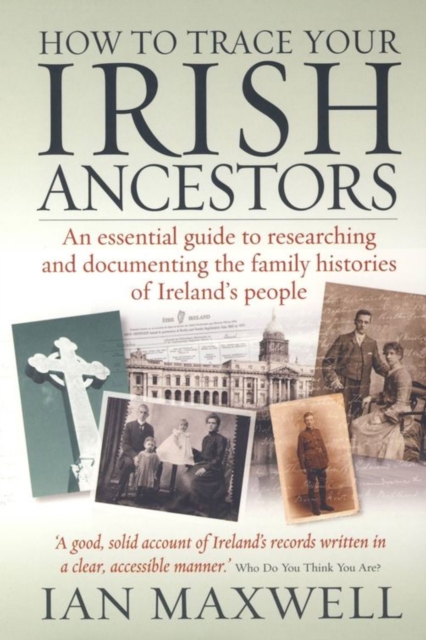
The purpose of this book is to highlight the most important documentary evidence available to the family historian wishing to research their Irish ancestry.
The purpose of this book is to highlight the most important documentary evidence available to the family historian wishing to research their Irish ancestry.
Focusing on North Mull - north of Glen More, but excluding Craignure, Torosay and Brolas - this book is an anthology of the tales and traditions of Mull in the words of those who tell them.
In this study of voluntary charities in eighteenth-century London, Donna Andrew reconsiders the adequacy of humanitarianism as an explanation for the wave of charitable theorizing and experimentation that characterized this period.
A definitive scholarly edition of the correspondence and papers of Thomas JeffersonJefferson continues his pattern of returning home to Monticello for the summer months.
"e;Based on an exploration of the total mass of executive and legislative records for the years 1801-1809-something no other scholar has attempted-this thoroughly documented account describes the machinery and operation of the presidential office, the Cabinet, the departments, and other offices and commissions in the executive branch.
In 1958, Shepard Stone, then directing the Ford Foundation's International Affairs program, suggested that his staff "e;measure"e; America's cultural impact in Europe.
"e;As I am ingaged in this glories Cause I am will to go whare I am Called"e;-so Joseph Hodgkins, a shoemaker of Ipswich, Massachusetts, declared to his wife the purpose that sustained him through four crucial years of the American Revolution.
In laying the groundwork for a fresh and challenging reading of Roman satire, Kirk Freudenburg explores the literary precedents behind the situations and characters created by Horace, one of Rome's earliest and most influential satirists.
In a fresh reading of Montaigne's Essais, David Quint portrays the great Renaissance writer as both a literary man and a deeply engaged political thinker concerned with the ethical basis of society and civil discourse.
From cucumber sandwiches to jam and scones, this comprehensive cookery book from the National Trust is chock full of recipes that go perfectly with a nice cup of tea.
50 deliciously indulgent pudding recipes, from childhood favourites such as jam roly-poly and cornflake tart, to traditional British classics such as sticky toffee pudding and sherry trifle.
BOOK 12 OF THE LADYBIRD EXPERT HISTORY OF THE SECOND WORLD WAR, FROM AWARD-WINNING HISTORIAN JAMES HOLLANDFeaturing stunning illustrations from Keith Burns, bringing the story to life in vivid detailWhy did Japan decide to attack at Pearl Harbour?
The sixth and final volume in the series published for the Conference on Modern Japan reviews the political, economic and foreign policy problems faced by Japan during the 1930's and '40's.
In order to describe how the elites in two political systems grappled with the potentially explosive influx of foreign labor, Gary Freeman analyzes and compares the ways in which the British and the French governments responded to immigration and racial conflict over a thirty-year period during the post-war era.
Franco Venturi, premier European interpreter of the Enlightenment, is still completing his acclaimed multivolume work Settecento Riformatore, a grand synthesis of Western history before the French Revolution as seen through the perceptive eyes of Italian observers.
This book analyzes in vivid detail the German debate about the importance and meaning of work as it changed under the impact of industrialization, with special emphasis on the period between the two world wars.
Throughout the 1800s the process of industrialization contributed to painful social upheaval and wrenching political readjustments in the Kingdom of Prussia, traditionally viewed as Europe's great, modernizing, economic leader.
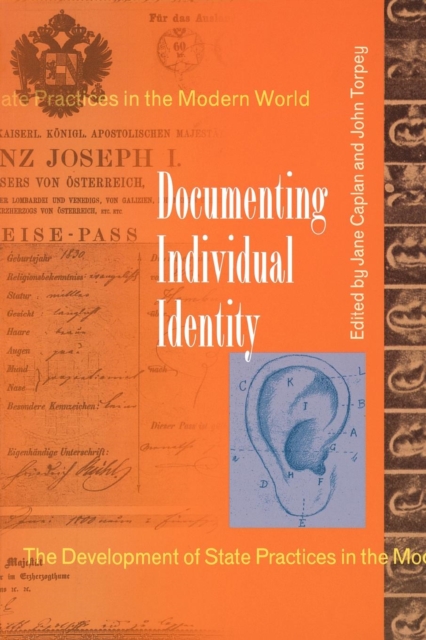
This book addresses one of the least studied yet most pervasive aspects of modern life--the techniques and mechanisms by which official agencies certify individual identity.
Focusing on peasant family life in Upper Austria, this study moves beyond generalizations about the growth of the modern state to ask what social relations existed in the early modern period and how they worked.
In this volume a diverse group of leading historians analyzes the future needs of their craft and suggests the many ways in which scholars of the near future will interpret the events of earlier years.
One of the great figures of the American Enlightenment, David Rittenhouse of Pennsylvania rose from his work as a mechanic and clockmaker of exquisite craftsmanship to informed, careful astronomy and effective experimental work in optics, magnetism, and psychology.