In this provocative examination of collective identity in Jordan, Linda Layne challenges long-held Western assumptions that Arabs belong to easily recognizable corporate social groups.
For too long, Native American people in the United States have been stereotyped as vestiges of the past, invisible citizens in their own land obliged to remind others, ';We are still here!
A finely drawn portrait of Einstein's sixteen months in PragueIn the spring of 1911, Albert Einstein moved with his wife and two sons to Prague, the capital of Bohemia, where he accepted a post as a professor of theoretical physics.
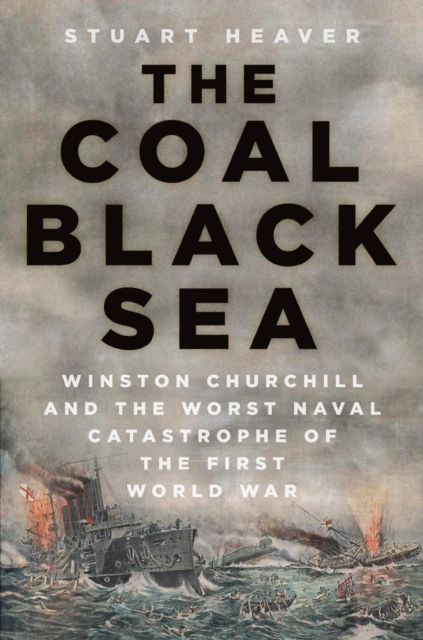
On the morning of 22 September 1914, just six weeks into the First World War, three Royal Navy armoured cruisers were sunk by a German U-boat in the southern North Sea.
Zen and Japanese Culture is a classic that has influenced generations of readers and played a major role in shaping conceptions of Zen's influence on Japanese traditional arts.
How Third World women seized the means of knowledge production to fight against rising authoritarianism and imagine a future freer than our presentBeginning in the 1970s, women of the decolonizing world offered new visions of liberation that centered the ideas and lives of women.
Before he was President, before the atomic bomb, before the Berlin Airlift and the Truman Doctrine, and before the defining crises of the American century, Harry S.
Whether youre a born-and-raised Floridian, a recent transplant, or just passing through, Florida Curiosities will have you laughing out loud as David Grimes and Tom Becnel take you on a rollicking tour of the strangest sides of the Sunshine State.
A fascinating journey through the Lone Star States unruly pastwith maps, photos, and moreTexas rightfully claims a celebrated place in the wildest West of both myth and realitywhich makes it truly stranger than fiction that The Crime Buffs Guide to Outlaw Texas is the first-ever travel guide to the many sites related to the Lone Star States renowned rambunctious past, complete with GPS coordinates that put you at the scene of the action.
The definitive collection of Washington's odd, wacky, and most offbeat people, places, and things, for Washington residents and anyone else who enjoys local humor and trivia with a twist.
A finely drawn portrait of Einstein's sixteen months in PragueIn the spring of 1911, Albert Einstein moved with his wife and two sons to Prague, the capital of Bohemia, where he accepted a post as a professor of theoretical physics.
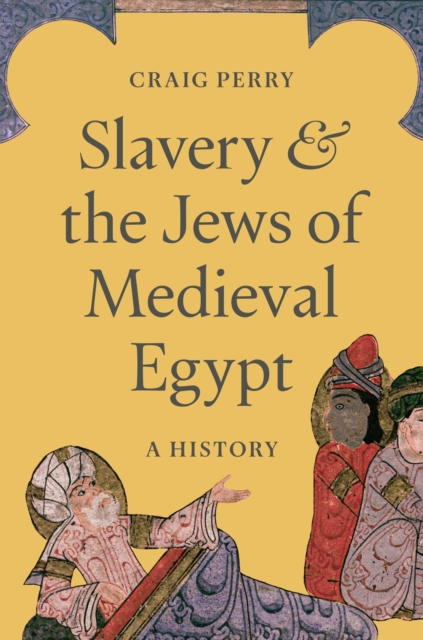
A new global history of the slave trade, the lives of enslaved people, and the role of slavery in the formation of Jewish and Arab-Islamic culture in the medieval Middle EastIn this book, Craig Perry mines a remarkable cache of fragmentary documents preserved in an Egyptian synagogue to write a new history of slavery and the slave trade in the medieval Middle East.
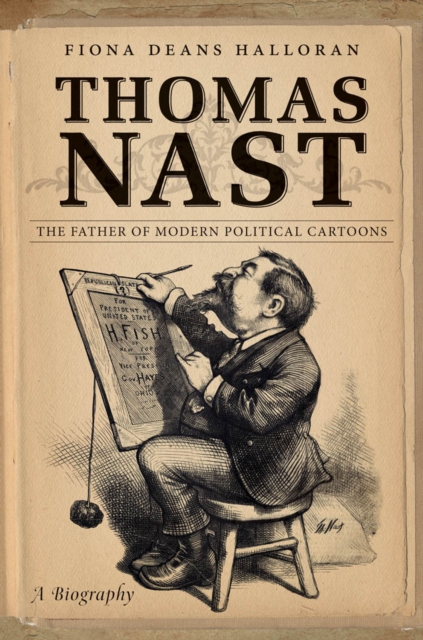
Thomas Nast (18401902), the founding father of American political cartooning, is perhaps best known for his cartoons portraying political parties as the Democratic donkey and the Republican elephant.
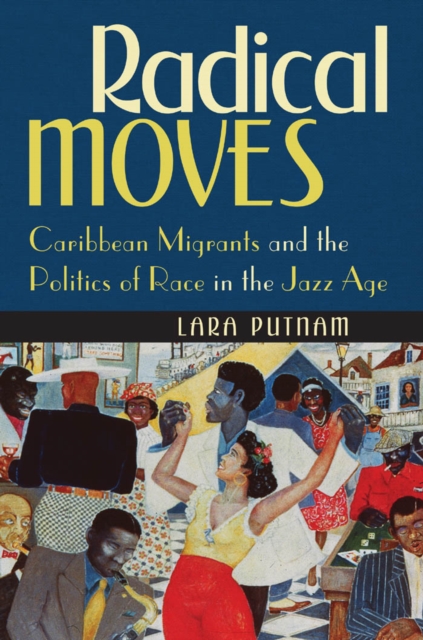
In the generations after emancipation, hundreds of thousands of African-descended working-class men and women left their homes in the British Caribbean to seek opportunity abroad: in the goldfields of Venezuela and the cane fields of Cuba, the canal construction in Panama, and the bustling city streets of Brooklyn.
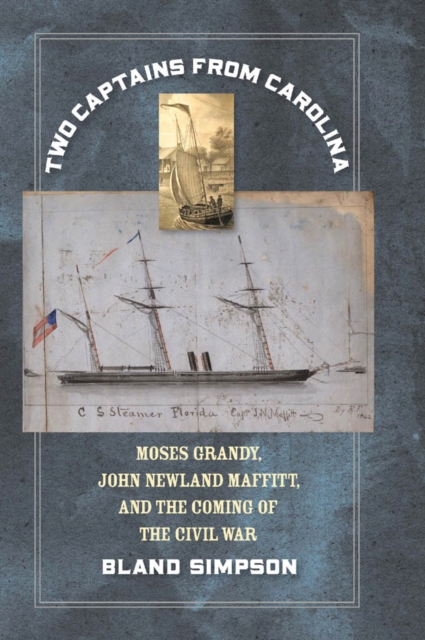
In Two Captains from Carolina, Bland Simpson twines together the lives of two accomplished nineteenth-century mariners from North Carolina one African American, one Irish American.
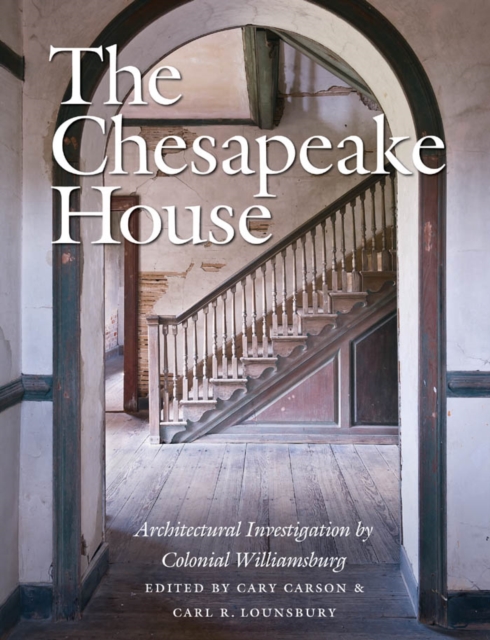
For more than thirty years, the architectural research department at Colonial Williamsburg has engaged in comprehensive study of early buildings, landscapes, and social history in the Chesapeake region.
In Abolitionists Remember, Julie Roy Jeffrey illuminates a second, little-noted antislavery struggle as abolitionists in the postwar period attempted to counter the nations growing inclination to forget why the war was fought, what slavery was really like, and why the abolitionist cause was so important.
Civil rights activist Septima Poinsette Clark (1898-1987) developed a citizenship education program that enabled tens of thousands of African Americans to register to vote and to link the power of the ballot to concrete strategies for individual and communal empowerment.
From 2004 to 2006 the Osage Nation conducted a contentious governmental reform process in which sharply differing visions arose over the new governments goals, the Nations own history, and what it means to be Osage.
In a convenient format, Schumann offers a guide to the campus of the University of North Carolina and immediately adjacent areas in Chapel Hill that will be indispensable for walkers wishing to acquaint themselves with the University and its history.
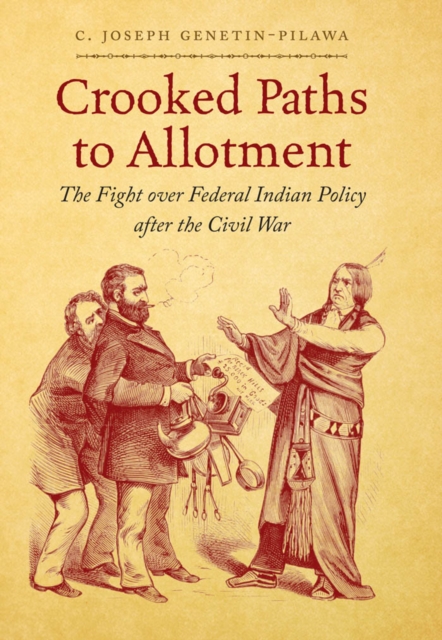
Standard narratives of Native American history view the nineteenth century in terms of steadily declining Indigenous sovereignty, from removal of southeastern tribes to the 1887 General Allotment Act.
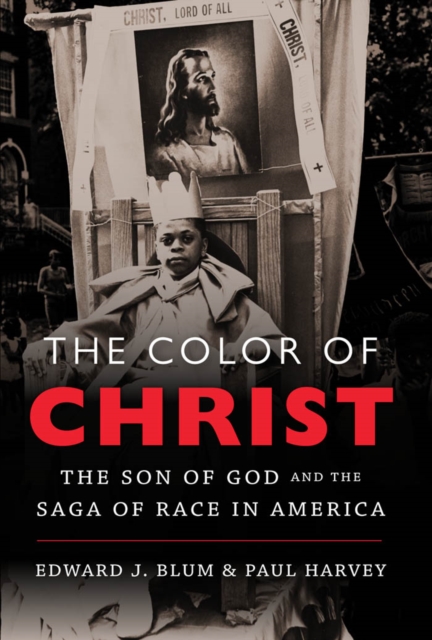
How is it that in America the image of Jesus Christ has been used both to justify the atrocities of white supremacy and to inspire the righteousness of civil rights crusades?
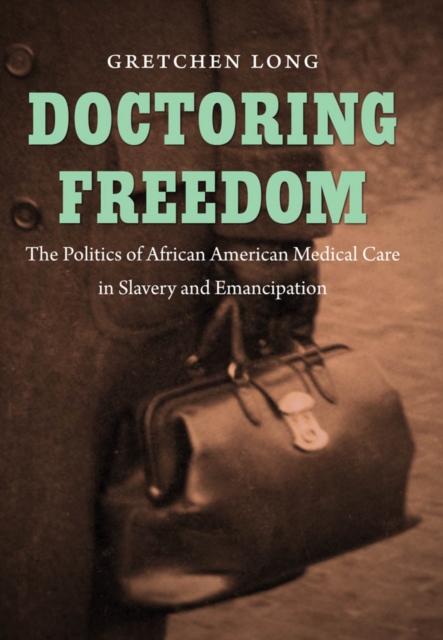
For enslaved and newly freed African Americans, attaining freedom and citizenship without health for themselves and their families would have been an empty victory.
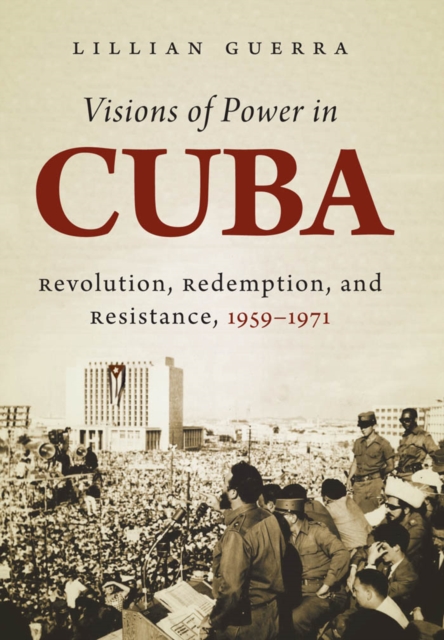
In the tumultuous first decade of the Cuban Revolution, Fidel Castro and other leaders saturated the media with altruistic images of themselves in a campaign to win the hearts of Cubas six million citizens.