Written by an experienced author, this practical book shows you how to produce manuscripts to fit a specific slot, advises you on how to adapt your style to suit different markets, and how to utilise research material to write facts and fiction effectively.
This book will show you how your own personal experiences can provide you with an endless supply of ideas for your writing - whether fiction or non-fiction.
This book provides a comprehensive overview of all the different kinds of crime fiction, with examples from successful contemporary writers in each of the different genres, and clear explanations and exercises to help the beginning writer hone their craft, and discover the kind of crime fiction, the plots, the themes, the language, that work best for them.
This follow-up book to Margret Geraghty's bestselling The Five Minute Writer contains 50 more inspirational exercises to inspire you to write - even if you have only five minutes a day to spare.
Drawing from more than 25 years of literary know-how and modeled after a 15-week college course, this manual provides guidance for seekers wishing to delve further into self-exploration through writing.
With the growth of modern information technology, it is time to re-examine the concept and purpose of writing, and question the long cherished idea that the alphabet stands at the apex of a hierarchy towards which all 'proper' forms of writing must necessarily progress.
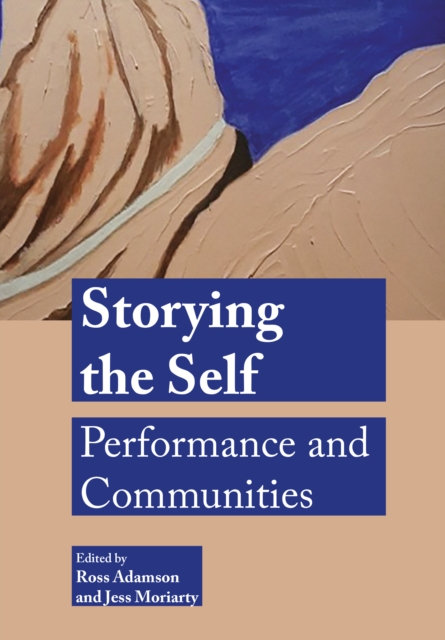
The chapters in this collection explore the constellation of points where stories of individual experience and experiences are in dialogue with political, cultural and social narratives.
The chapters in this collection explore the constellation of points where stories of individual experience and experiences are in dialogue with political, cultural and social narratives.
Despite the contemporary trend of focusing on personal experience in art and writing, there is very little critical analysis of the concept of experience within fine art.
Despite the contemporary trend of focusing on personal experience in art and writing, there is very little critical analysis of the concept of experience within fine art.
Camus' sparse parable about the human condition is one of the great stories of the 20th Century, here adapted for the stage by Booker prize winner Ben Okri.
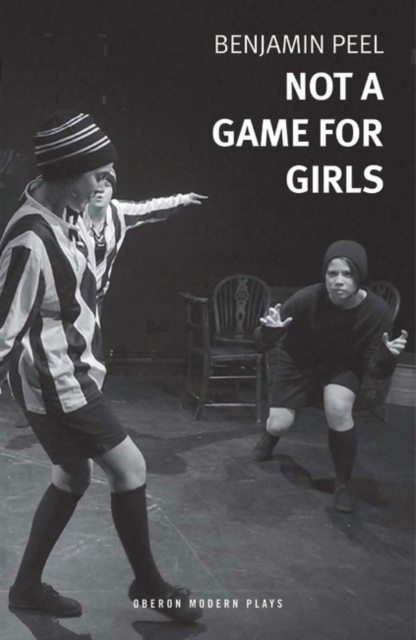
Not A Game For Girls explores the most successful of the women's football teams established to boost wartime morale, following the suspension of all Football League matches at the end of the 1914-15 season.
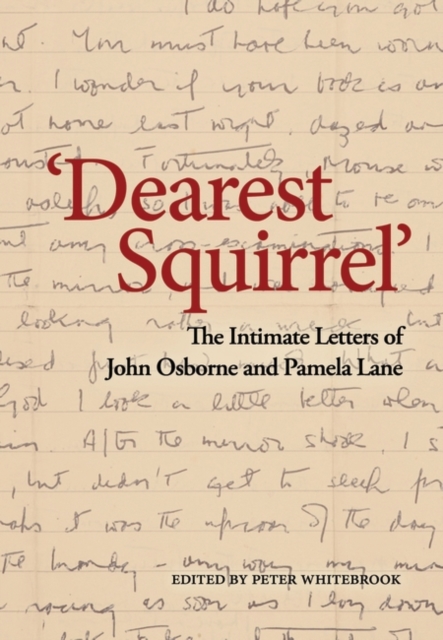
A completely fresh insight into the mind of one of the UK's greatest playwrights, the letters between John Osborne and his first wife, actress Pamela Lane, are also a love letter to a now defunct system of repertory theatre, and life in post-war Britain.