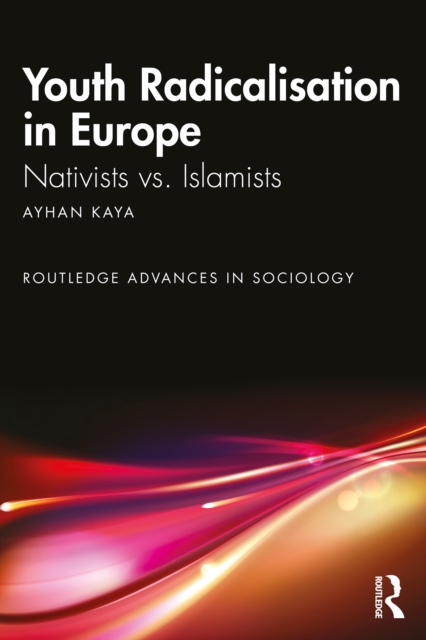
Based on extensive in-depth interview research with young Europeans, this book reveals the root causes of radicalisation among European youth with different ethno-cultural and religious backgrounds.
This two-volume study traces developments in English narrative structure from the late Middle Ages to the early modern period, building on the theses set out in Monika Fludernik's award-winning Towards a 'Natural' Narratology (1996).
Based on extensive in-depth interview research with young Europeans, this book reveals the root causes of radicalisation among European youth with different ethno-cultural and religious backgrounds.
This two-volume study traces developments in English narrative structure from the late Middle Ages to the early modern period, building on the theses set out in Monika Fludernik's award-winning Towards a 'Natural' Narratology (1996).
This book traces how the English language emerged from the nineteenth century not only as an imperial and bureaucratic language but also as a global one.
This book traces how the English language emerged from the nineteenth century not only as an imperial and bureaucratic language but also as a global one.
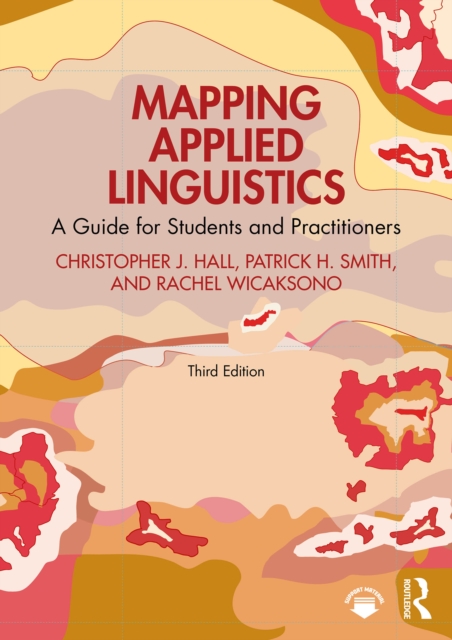
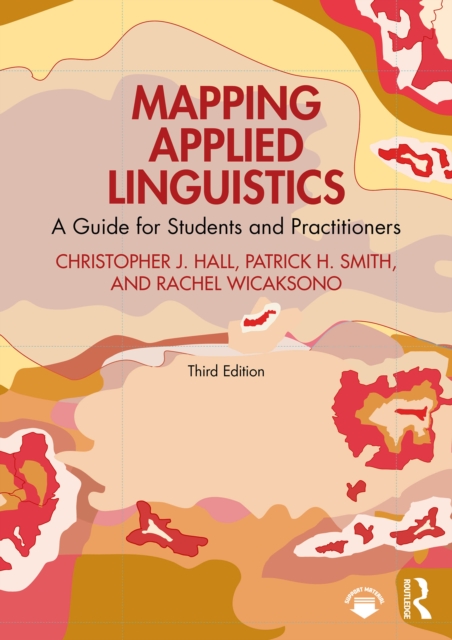
Mapping Applied Linguistics: A Guide for Students and Practitioners, Third Edition, provides a newly updated, wide-ranging introduction to the full scope of applied linguistics.
Mapping Applied Linguistics: A Guide for Students and Practitioners, Third Edition, provides a newly updated, wide-ranging introduction to the full scope of applied linguistics.
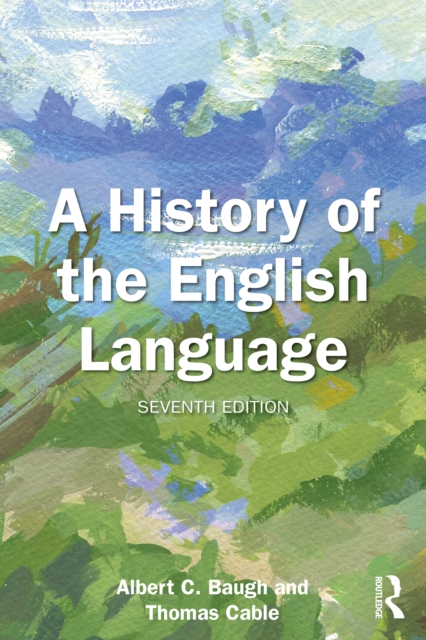
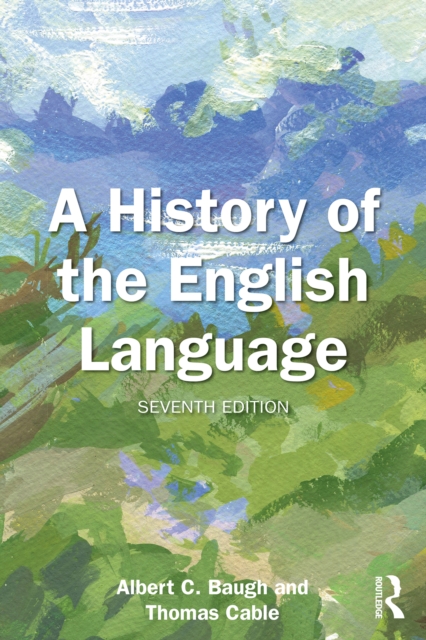
A History of the English Language explores the linguistic and cultural development of English from the Roman conquest of England to the present day to provide a comprehensive overview of the different aspects of its history.
A History of the English Language explores the linguistic and cultural development of English from the Roman conquest of England to the present day to provide a comprehensive overview of the different aspects of its history.
This book examines the relationship between political identity and variation from a diachronic perspective, and how vernacular features could index political and ideological affiliations.
This book examines the relationship between political identity and variation from a diachronic perspective, and how vernacular features could index political and ideological affiliations.
This book offers a comprehensive analysis of the evolution of legal language, tracing its development from historical formulations to contemporary adaptations, including the emerging role of artificial intelligence in legal translation and communication.