In this revised and expanded edition of Operas in English: A Dictionary, Margaret Ross Griffel updates her work on operas written specifically to an English text, including not only works originally in English but also those set to new English librettos.
This dictionary covers the complex and costly conflict that began when Germany, ruled by Adolf Hitler and the Nazi Party, invaded neighboring Poland on 1 September 1939; and concluded when Germany surrendered on 7-9 May 1945, leaving much of the European continent in ruins and its population devastated.
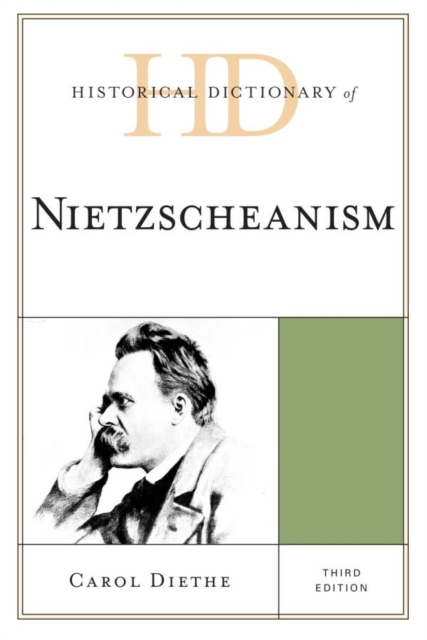
Few philosophers have been as popular, prolific, and controversial as Friedrich Nietzsche, who has left his imprint not only on philosophy but on all the arts.
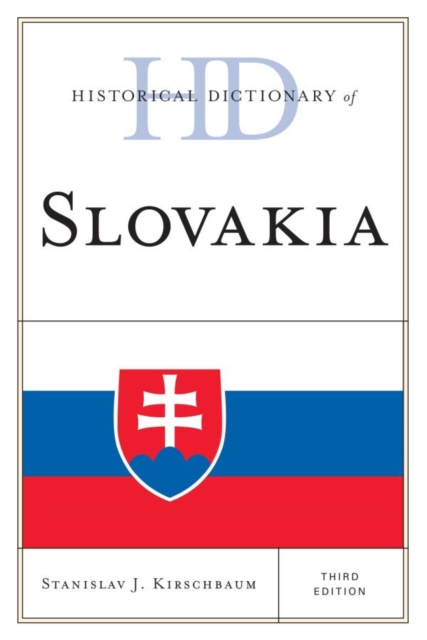
On the stroke of midnight on 1 January 2013, the inhabitants of Slovakia celebrated a major milestone in their history: two decades of democratic government and personal freedom.
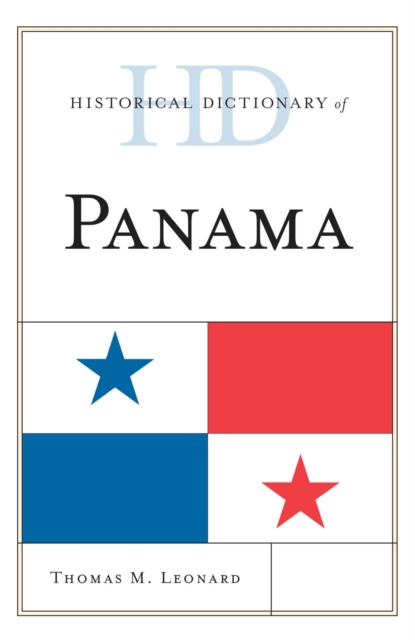
This Historical Dictionary of Panama covers Panama's unique history from the time of its Spanish colonization, through its connection to Colombia in the nineteenth century, and its long period of U.
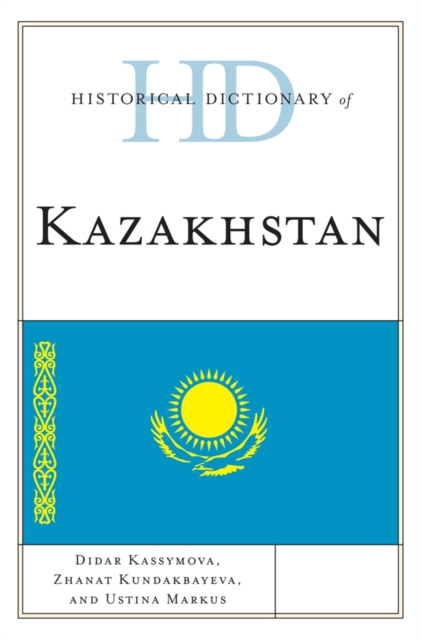
Kazakhstan is in some ways a very old nation dating back to the Kazakh Khanate of 1458, but it dramatically transformed within the Russian Empire and even more so during the period when it was part of the Union of Soviet Socialist Republics.
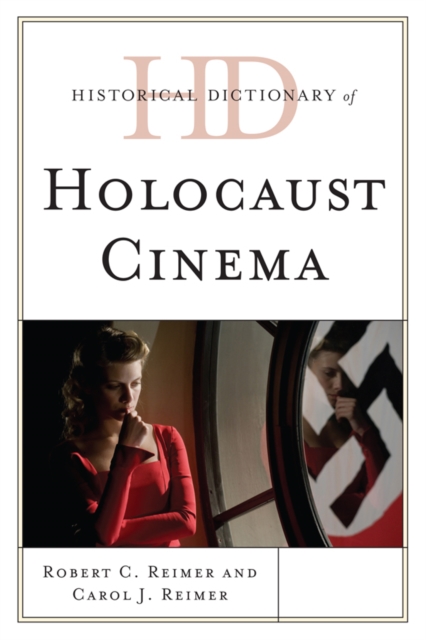
Some say that telling the story of the Holocaust is impossible, yet, artists have told the story thousands of time since the end of World War II in novels, dramas, paintings, music, sculpture, and film.
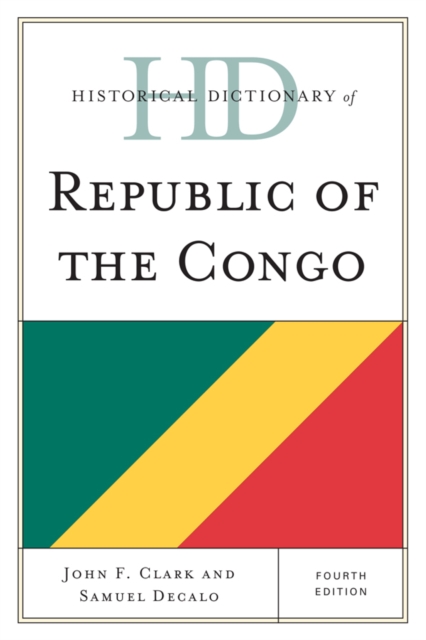
The fourth edition of the Historical Dictionary of Republic of the Congo provides a comprehensive set of references on the country's history, politics, economics, and culture.
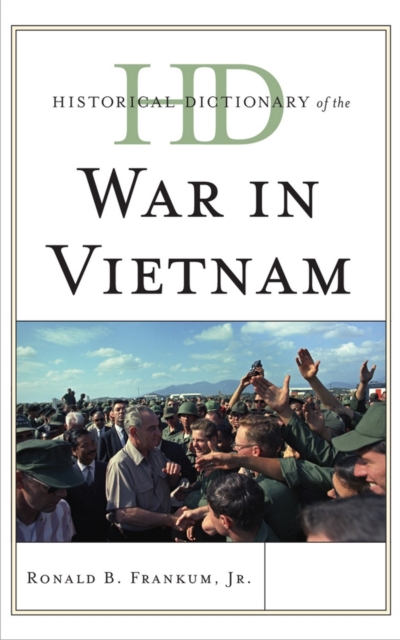
For Southeast Asia, the Vietnam War altered forever the history, topography, people, economy, and politics of the Democratic Republic of Vietnam (DRV), the Republic of Vietnam (RVN), Cambodia, and Laos.
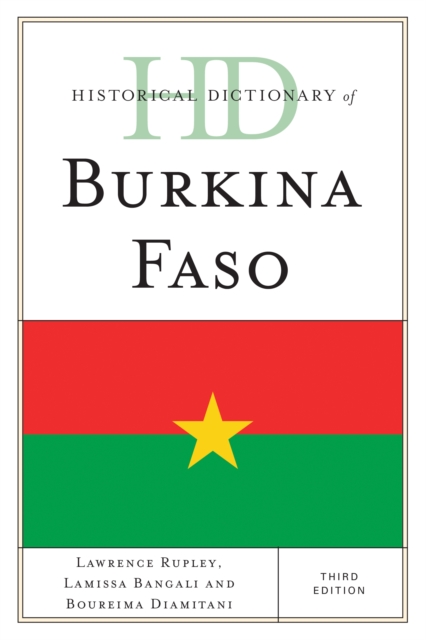
Burkina Faso, known as Upper Volta until its independence from France in 1960, and locally called the "e;land of the upright people,"e; is a medium-sized land-locked country with no less than six neighbors, some of which periodically get into trouble.
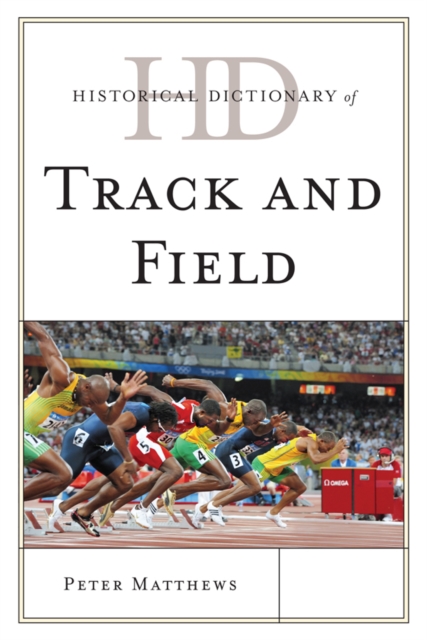
While the earliest evidence of organized running can be traced back to Egypt in 3800 BCE, the modern sport of track and field evolved from rural games and church and folk festivals, and rules were drawn up in the final quarter of the 19th century in those advanced societies where enough people had the leisure time to indulge their fancies.
This reference seeks to identify and briefly annotate a wide range of subjects relating to English musical culture, largely from the early 15th century through 1958, dates that reflect the coalescence of an identifiable English style in the early Renaissance and the death of the iconic Ralph Vaughan Williams in the mid-20th century.
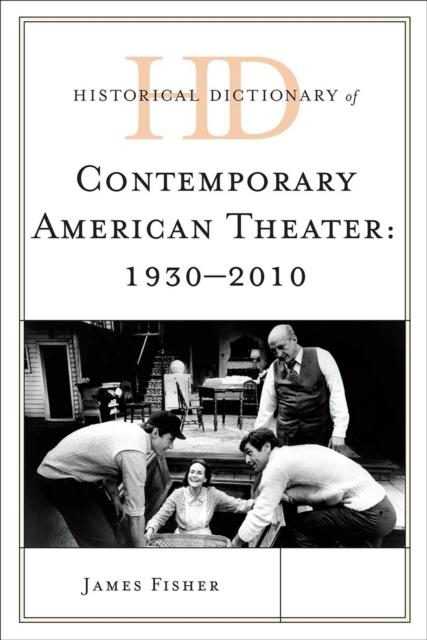
From legends like Eugene O'Neill, Tennessee Williams, and Arthur Miller to successful present-day playwrights like Neil LaBute, Tony Kushner, and David Mamet, some of the most important names in the history of theater are from the past 80 years.
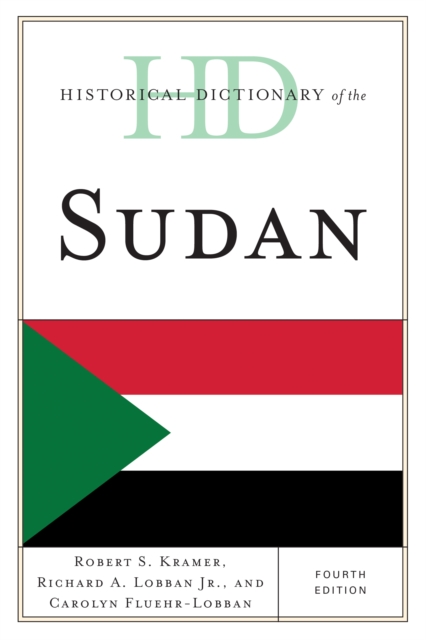
The Republic of the Sudan was long the largest country in Africa and, according to the general consensus, also one of the least successful in many ways.
Taiwan was able to solidly build and sustain a film industry only after locally-produced Mandarin films secured markets in Hong Kong and Southeast Asia during the 1960s and 1970s.
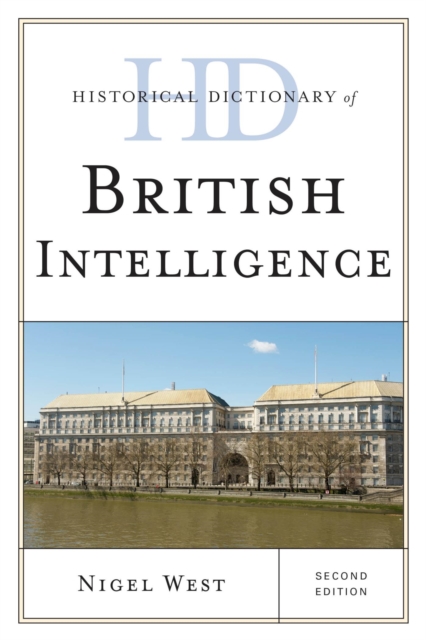
British Intelligence is the oldest, most experienced organization of its kind in the world, the unseen hand behind so many world events, and glamorized by James Bond.
Methodism is growing, both in numbers and influence, according to the World Methodist Council there are 78 Methodist, Wesleyan, and related Uniting and United churches representing over 80 million people in more than 130 nations.
The Historical Dictionary of Japan to 1945 spans the entire period from the earliest evidence of human habitation in Japan through to the end of the Pacific War.
The Historical Dictionary of Inter-American Organizations covers the changing world of inter-American and international organizations that have played an important role in bilateral and multilateral efforts to solve a wide range of problems that have confronted the nations of the Western Hemisphere.
The Chinese Communist Party, as the political leader of the world's largest country and second largest economy, plays an undeniably important role in global politics.
William Jefferson Clinton's legacy remains a matter of significant contention among historians, political scientists, and pundits even after a decade of time to reflect.
The Beat Movement was one of the most radical and innovative literary and arts movements of the 20th century, and the history of the Beat Movement is still being written in the early years of the 21st century.
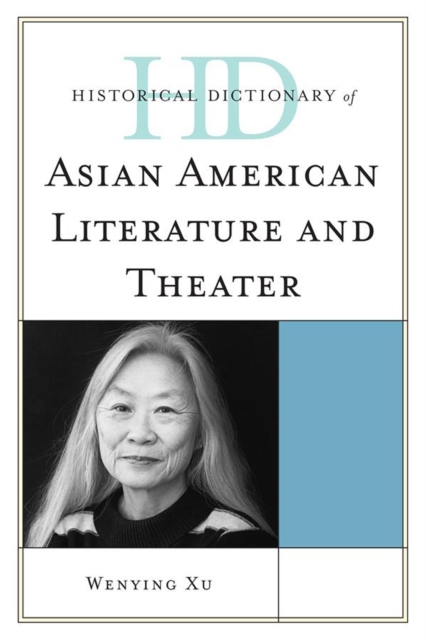
Asian American literature is one of the most recent forms of ethnic literature and is already becoming one of the most prominent, given the large number of writers, the growing ethnic population from the region, the general receptivity of this body of work, and the quality of the authors.
Almost from the moment in 1940 that Otto Frisch and Rudofl Peierls suggested, from their small office in the University of Birmingham, that an atomic weapon could be miniaturized and delivered to its target by aircraft, the concept of atomic espionage can be said to have existed.
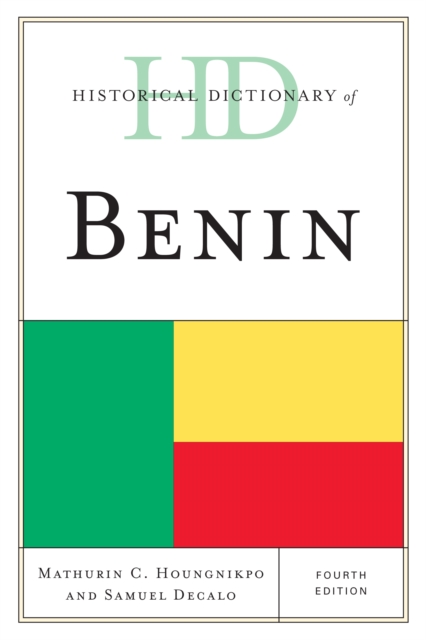
Benin is now perceived of as a model of democracy in Africa because it has successfully established a democratic political system based on consensus and regular and fair elections, and it continues to improve its electoral and parliamentary systems.