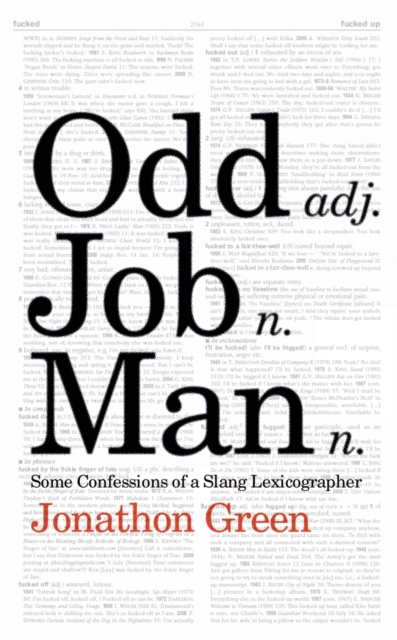
For thirty years Jonathon Green has been collecting slang the indefinable language of the gutter, the brothel, the jail, the barroom producing a succession of dictionaries, most recently the three-volume Green's Dictionary of Slang, that have been recognised as the most comprehensive and authoritative ever compiled.
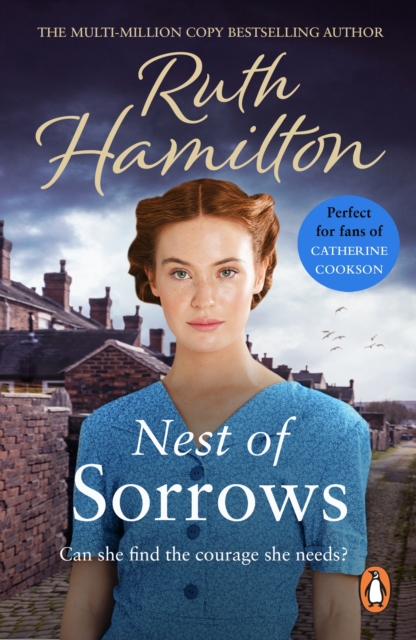
This emotional and uplifting saga full of twists and turns by the Sunday Times bestselling author Ruth Hamilton is a must - read for fans of Catherine Cookson, Dilly Court and Josephine Cox.
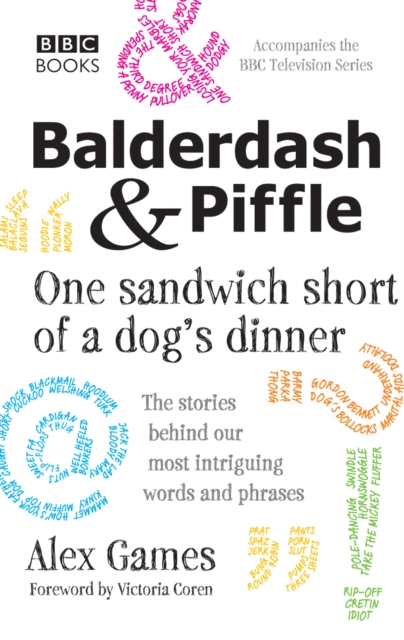
Balderdash & Piffle: One Sandwich Short of a Dog's Dinner is a thrilling ride through the provocative, bewildering and often downright bizarre world of language and etymology.
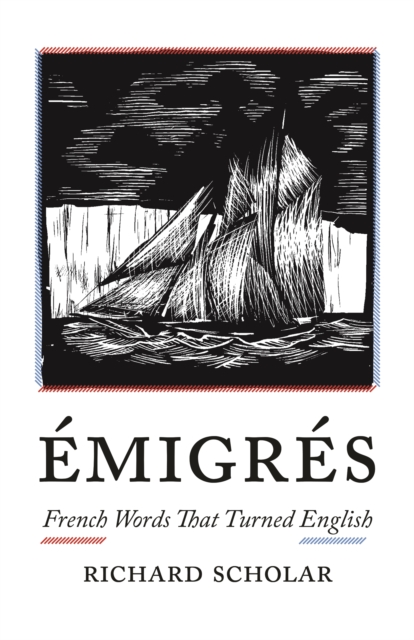
The fascinating history of French words that have entered the English language and the fertile but fraught relationship between English- and French-speaking cultures across the worldEnglish has borrowed more words from French than from any other modern foreign language.
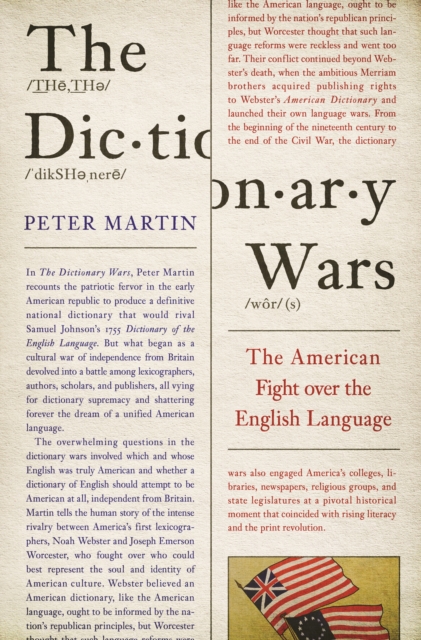
A compelling history of the national conflicts that resulted from efforts to produce the first definitive American dictionary of English In The Dictionary Wars, Peter Martin recounts the patriotic fervor in the early American republic to produce a definitive national dictionary that would rival Samuel Johnson's 1755 Dictionary of the English Language.
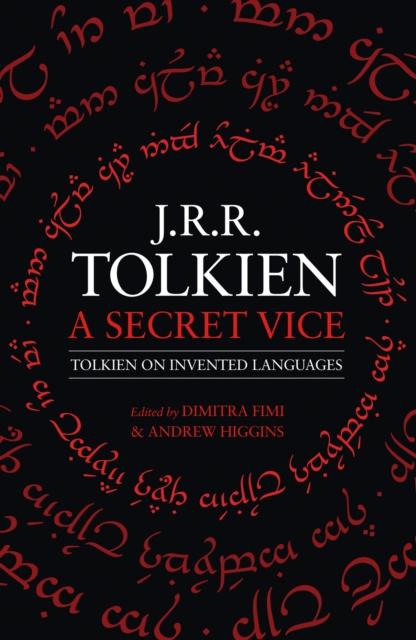
First ever critical study of Tolkien's little-known essay, which reveals how language invention shaped the creation of Middle-earth and beyond, to George R R Martin's Game of Thrones.
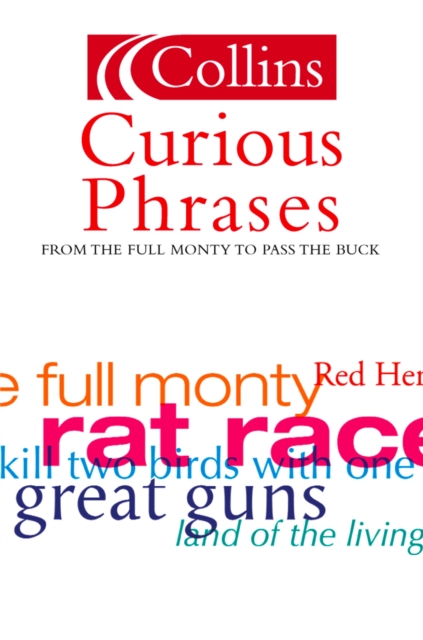
The ebook edition of the Collins Dictionary of Curious Phrases is an updated and revised version of Leslie Dunkling's classic work on curious and baffling phrases.
Unravel the meaning, origin, and usage of over 6,000 phrases from book and film titles, idioms and cliches, to nicknames, slogans and quotations with this modern and entertaining guide to wonderful phrases by one of the world's best-known wordsmiths.
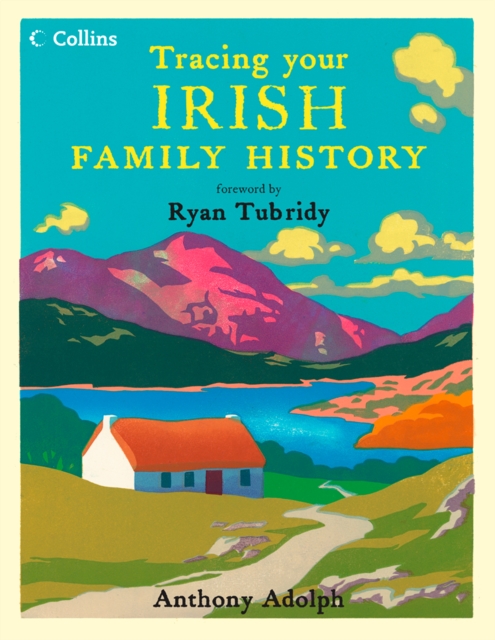
FOREWORD BY RYAN TUBRIDYThe authoritative and comprehensive guide to tracing your Irish ancestryThere's never been a better time to trace your Irish family history.
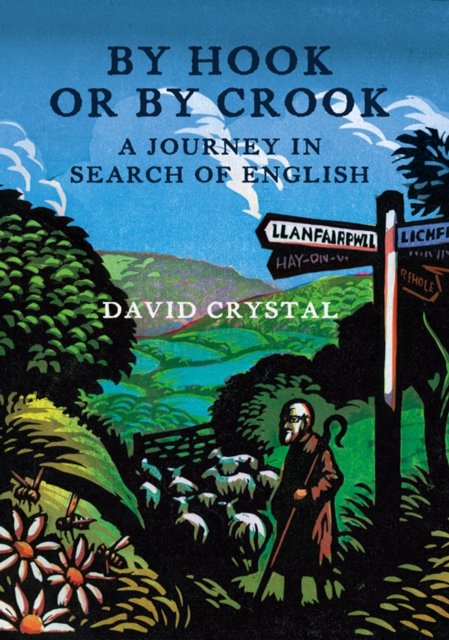
A delightfully discursive, Bill Bryson-esque and personal journey through the groves and the thickets of the English language, by our foremost scholar of the history and structure of the English language.
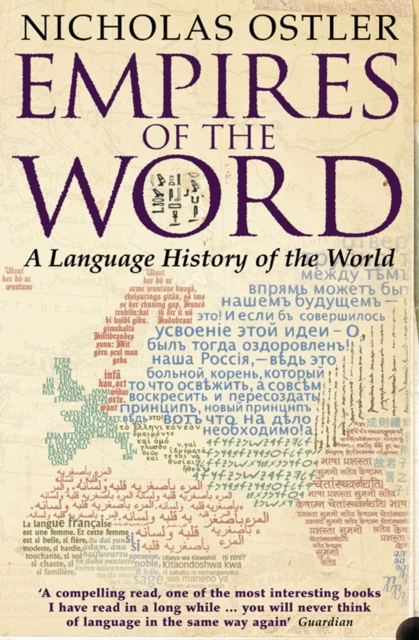
An unusual and authoritative 'natural history of languages' that narrates the ways in which one language has superseded or outlasted another at different times in history.
The Exegesis Quick-Reference Tool Every Pastor, Teacher, Student, and Scholar NeedsThe Concise New International Dictionary of New Testament Theology and Exegesis (CNIDNTTE) by Christopher A.
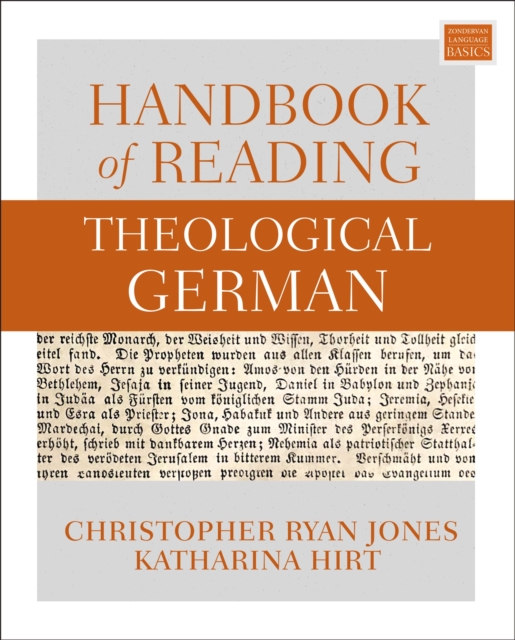
The Handbook of Reading Theological German is the premier resource for equipping those interested in reading and translating original German source materials and preparing academics for German comprehension examination.
A comprehensive history of deafness, signed languages, and the unresolved struggles of the Deaf to be taught in their unspoken tongue Partially deaf due to a childhood illness, Gerald Shea is no stranger to the search for communicative grace and clarity.
From 'shotclog', a Yorkshire term for a companion only tolerated because he is paying for the drinks, to Albanian having 29 words to describe different kinds of eyebrows, the languages of the world are full of amazing, amusing and illuminating words and expressions that will improve absolutely everybody's quality of life.
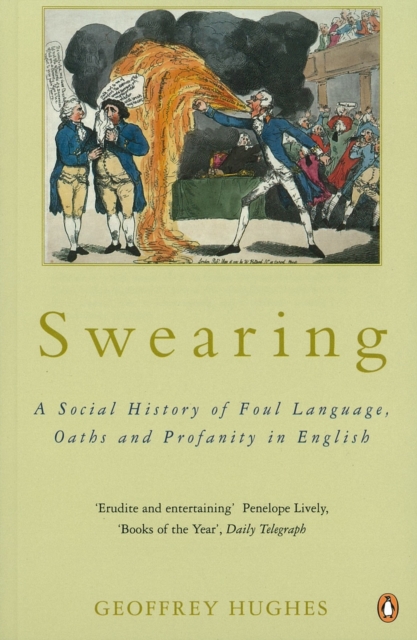
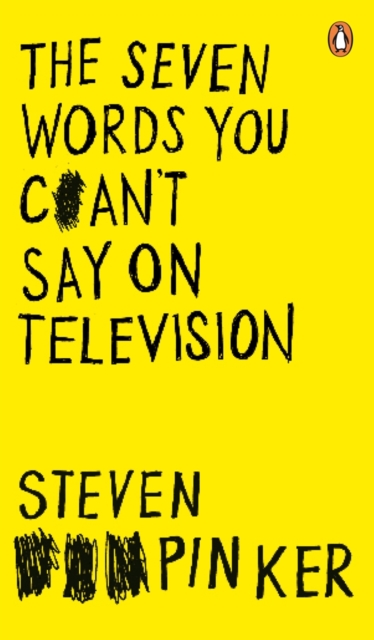
Tracing the history of swearing from ancient Anglo-Saxon traditions and those of the Middle Ages, through Shakespeare, the Enlightenment and the Victorians, to the Lady Chatterley trial and various current trends, Geoffrey Hughes explores a fascinating, little discussed yet irrespressible part of our linguistic heritage.
Mr Jack has been nimble and he s been quick, searching through the history of nursery rhymes and he s found out all kind of plum tales, just like little Jack Horner.
From different perspectives this book studies the role of Reformation theology in the shaping of Danish society and the social dimensions of Lutheran confessional culture.
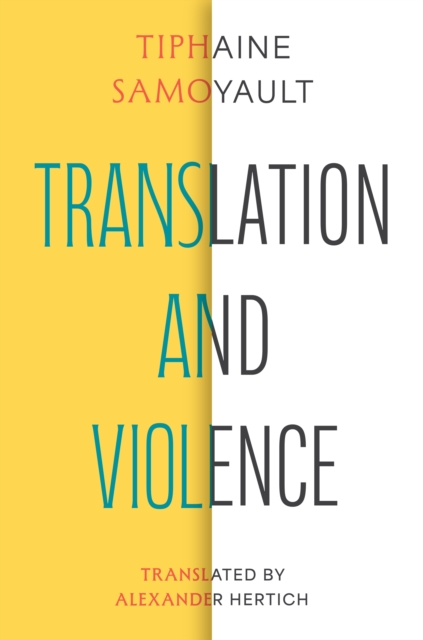
Rethinking the ethics and politics of translation in the age of AIThe rapid development of AI-powered translation tools is making translation more accessible than ever before, raising in a dramatic new way the old utopian promise of translationto allow transparent dialogue across linguistic barriers.
Rethinking the ethics and politics of translation in the age of AIThe rapid development of AI-powered translation tools is making translation more accessible than ever before, raising in a dramatic new way the old utopian promise of translationto allow transparent dialogue across linguistic barriers.