Academics Writing recounts how academic writing is changing in the contemporary university, transforming what it means to be an academic and how, as a society, we produce academic knowledge.
The literacy autobiography is a personal narrative reflecting on how one's experiences of spoken and written words have contributed to their ongoing relationship with language and literacy.
The literacy autobiography is a personal narrative reflecting on how one's experiences of spoken and written words have contributed to their ongoing relationship with language and literacy.
'As soon as I began to read, I was filled with that kind of engrossed blossoming that happens somewhere inside of you when you start a really nourishing book.
This book examines emergent literacy as the foundations for language instruction and seeks to relate the work of those doing research on literacy acquisition and those designing programs to facilitate children's literacy development.
Each of the sixty reproducible classroom-ready activities has general guidelines that describe the purposes for the project, how to use it, evaluation points, and variations that increase student participation and motivation, and a variety of assessment activities.
This work offers parents, educators, and librarians a practical guide to discovering the ways gender identities are constructed through literacy practices, providing recommendations for addressing gender inequities in schools and in the community at large.
The ways in which the African American community learned to be proficient readers and writers during the 19th century were diverse, however, the greatest impact on literacy acquisition came from family and community efforts.
This book explains how and why information literacy can help to foster critical thinking and discerning attitudes, enabling citizens to play an informed role in society and its democratic processes.
Tens of thousands of teachers have used this skillfully crafted book to build childrens word knowledge with engaging categorization activities organized by spelling stages.
This indispensable teacher resource and course text, now revised and updated, addresses the whats, whys, and how-tos of incorporating outstanding childrens literature into the K8 reading program.
This esteemed reference work and professional resource, now substantially revised, integrates classic and cutting-edge research on how children and adolescents make meaning from text.
A trusted practitioner guide and course text, this book provides a complete introduction to the multiple roles of the reading specialist in grades PreK-12.
An essential stage-specific companion to Word Study for Phonics, Vocabulary and Spelling Instruction This resource presents a complete curriculum of word study for students who are in the within word pattern stage of spelling development.
In keeping with the authors' belief that the hands-on word sorting approach to word study is invaluable to teachers and students alike, this volume presents a complete curriculum of word study for students who are in the syllables and affixes stage of spelling development.
The authorised biography of one of the greatest storytellers of all time, written with complete and exclusive access to the archives stored in the Roald Dahl Museum and Story Centre.
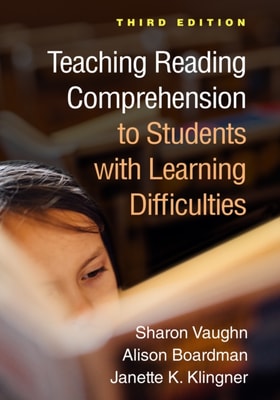
Now in a revised and expanded third edition, this important resource helps teachers understand how good readers comprehend text and how best to support students who are struggling.
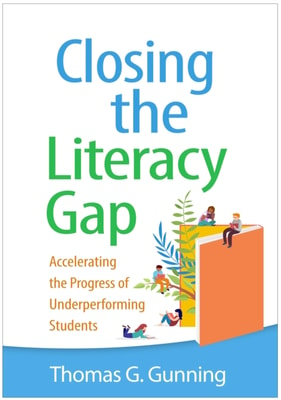
Packed with practical tools, this book provides K6 educators with a research-based framework for accelerating the reading and writing growth of underperforming students.
This practical K12 teacher resource explains the whats, whys, and how-tos of using Questioning the Author (QtA), a powerful approach for enhancing reading comprehension and engagement.
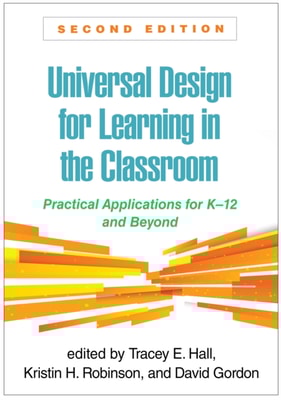
The Universal Design for Learning (UDL) framework has grown from its origins in special education to being widely used to support all students, making the fully rewritten second edition of this indispensable guide more relevant than ever.
Now in a revised and updated third edition incorporating a decade of additional research and classroom experience, this book has helped over 100,000 primary-grades teachers understand and successfully apply the science of reading in phonics instruction.