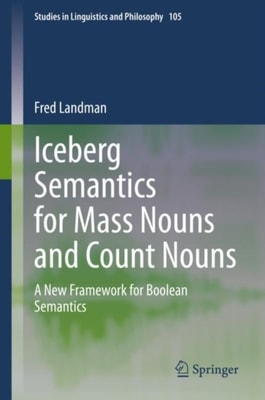
Iceberg semantics is a new framework of Boolean semantics for mass nouns and count nouns in which the interpretation of a noun phrase rises up from a generating base and floats with its base on its Boolean part set, like an iceberg.
This book makes a novel contribution to our understanding of Romance SE constructions by combining both diachronic and synchronic theoretical perspectives along with a range of empirical data from different languages and dialects.
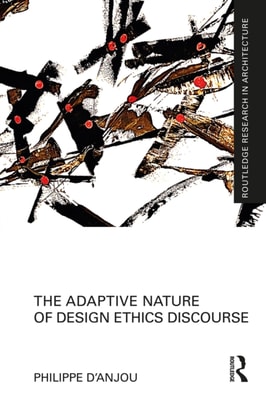
How do designers navigate the ethical discursive territories of design thinking and practice when the same common terms they consistently use across the different design ethics paradigms-like fair, right, good-convey different meanings?
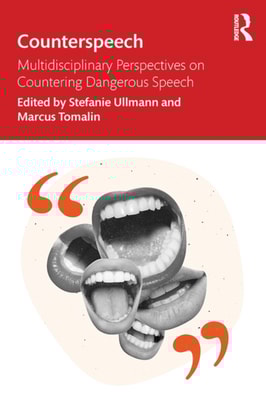
This volume looks at the forms and functions of counterspeech as well as what determines its effectiveness and success from multidisciplinary perspectives.
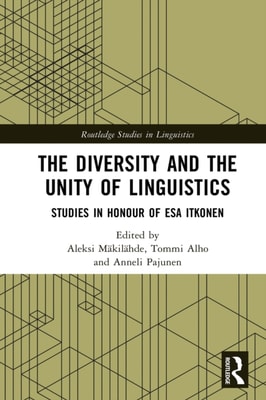
Taking as its point of departure the research interests of Esa Itkonen, this volume draws together perspectives from linguistics, the philosophy and methodology of linguistics, and the history of linguistics to encourage critical reflection and further understanding of the nature of and connections between these disciplines.
The book defends an account of propositions on which propositions are structured entities, built up out of properties, relations, and concrete objects.
The book defends an account of propositions on which propositions are structured entities, built up out of properties, relations, and concrete objects.
Taking as its point of departure the research interests of Esa Itkonen, this volume draws together perspectives from linguistics, the philosophy and methodology of linguistics, and the history of linguistics to encourage critical reflection and further understanding of the nature of and connections between these disciplines.
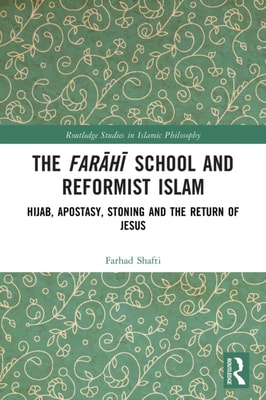
Examining the emergence and development of the Farahi school of thought and its methodology, this book explores the four case studies of stoning, apostasy, hijab, and the return of Jesus.
Examining the emergence and development of the Farahi school of thought and its methodology, this book explores the four case studies of stoning, apostasy, hijab, and the return of Jesus.