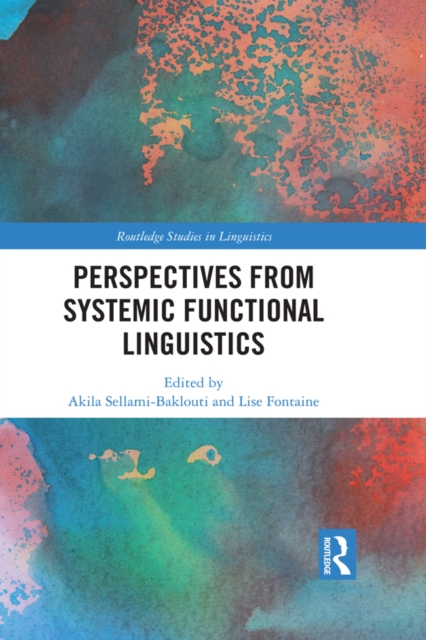
This innovative collection brings together contributions from established and emerging scholars highlighting the "e;appliability"e; of Systemic Functional Linguistics and the ways in which theoretical and analytical conclusions drawn from its applications can inform and advance the study of language.
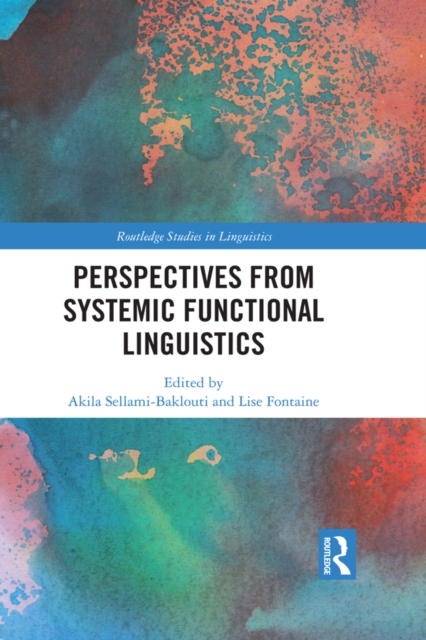
This innovative collection brings together contributions from established and emerging scholars highlighting the "e;appliability"e; of Systemic Functional Linguistics and the ways in which theoretical and analytical conclusions drawn from its applications can inform and advance the study of language.
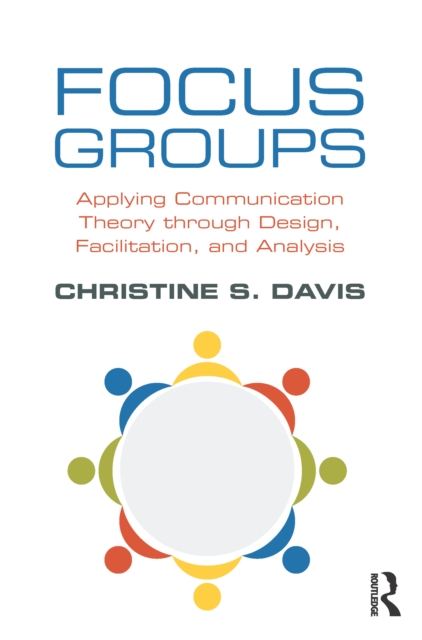
Despite the fact that focus groups are an ideal research tool for studying and employing group communication in action, many research practitioners and scholars have missed the opportunity to utilize them to their maximum benefit.
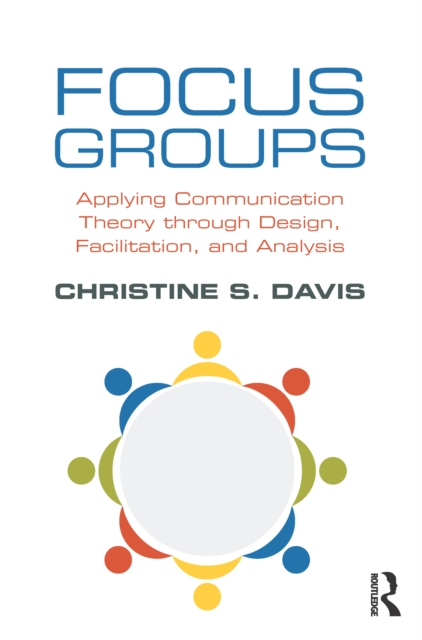
Despite the fact that focus groups are an ideal research tool for studying and employing group communication in action, many research practitioners and scholars have missed the opportunity to utilize them to their maximum benefit.
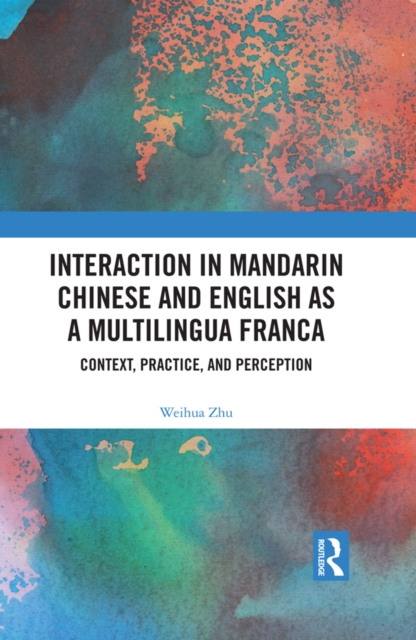
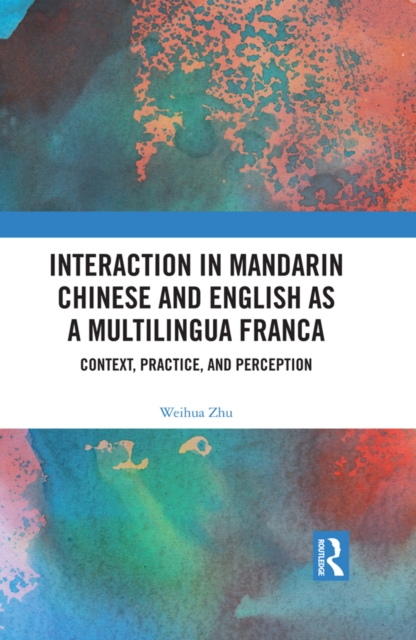
Interaction in Mandarin Chinese and English as a Multilingua Franca: Context, Practice, and Perception proposes a model of context, practice, and perception and raises awareness of the importance of understanding language use and perception in context in order to avoid intercultural communication misunderstandings.
Interaction in Mandarin Chinese and English as a Multilingua Franca: Context, Practice, and Perception proposes a model of context, practice, and perception and raises awareness of the importance of understanding language use and perception in context in order to avoid intercultural communication misunderstandings.
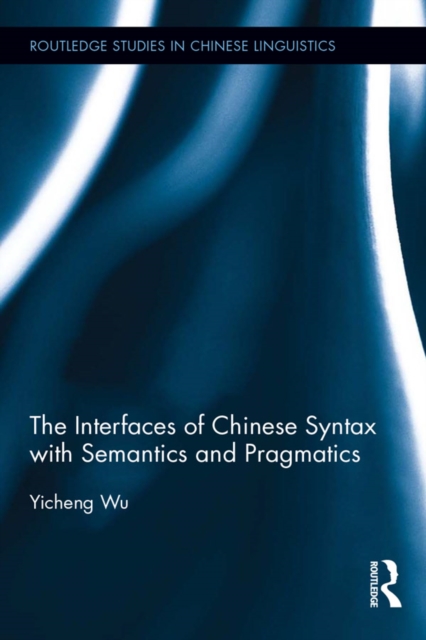
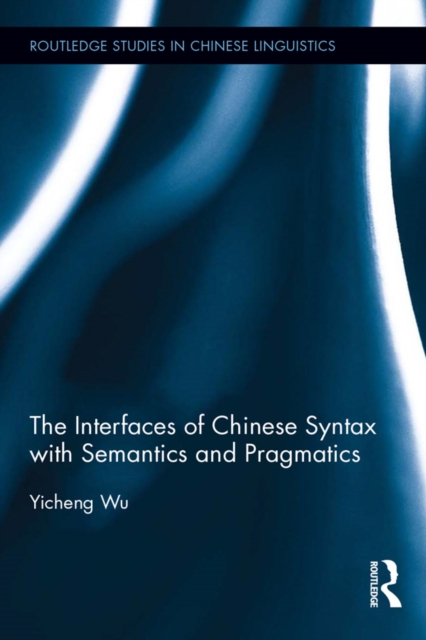
The Interfaces of Chinese Syntax with Semantics and Pragmatics provides an in-depth exploration of a variety of interface phenomena in Chinese, a non-inflectional language, where to a large extent word order constrains its interpretation and defines its grammatical functions.
The Interfaces of Chinese Syntax with Semantics and Pragmatics provides an in-depth exploration of a variety of interface phenomena in Chinese, a non-inflectional language, where to a large extent word order constrains its interpretation and defines its grammatical functions.
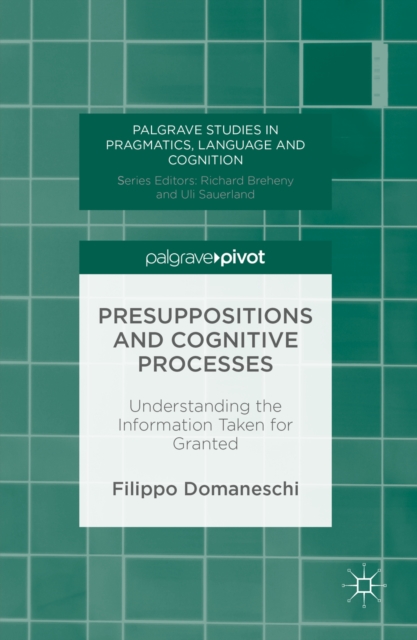
This book breaks new ground towards an understanding of the mental processes involved in presupposition, the comprehension of information taken for granted.
Gender, Power and Political Speech explores the influence of gender on political speech by analyzing the performances of three female party leaders who took part in televised debates during the 2015 UK General Election campaign.
The second edition of this hugely successful textbook provides comprehensive coverage of a wide range of topics in theoretical and applied linguistics.
This book advances our understanding of change over time in human social conduct, and represents the first consolidated effort to reveal how micro-analytic studies of social interaction address such issues.
The distinctive point of the book is its innovative interdisciplinary approach to business communication, with interconnections between linguistics, sociology, and critical organisational studies as applied to the corporate world.
This book traces the development of the ideal of sincerity from its origins in Anglo-Saxon monasteries to its eventual currency in fifteenth-century familiar letters.
Language Ideologies and Canadian Media explores how French and English Canadian media discuss languages and language issues, which language ideologies predominate in English and French, and whether language ideologies in traditional news media are transferred to new and social media.
Specialised translation has received very little attention from academic researchers, but in fact accounts for the bulk of professional translation on a global scale and is taught in a growing number of university-level translation programmes.
Based on ethnographic and policy data collected over a ten-year span at a university in the People's Republic of China, this book analyses the history of English Language Teaching (ELT) polices in Chinese higher education.
In this book Marina Lambrou explores the dimension of narrative storytelling described as 'the disnarrated' - events that do not happen but which are referred to - across three genres of texts: personal narratives; news stories; and fiction (literary and film).
This collection of essays reassesses the importance of verse as a medium in the long eighteenth century, and as an invitation for readers to explore many of the less familiar figures dealt with, alongside the received names of the standard criticism of the period.
This revised and expanded handbook concisely introduces narrative form to advanced students of fiction and creative writing, with refreshed references and new discussions of cognitive approaches to narrative, nonfiction, and narrative emotions.
This in-depth study of the use of pragmatic markers by Spanish and English teenagers offers insight into the currently under-investigated area of teenage talk through the analysis of the Corpus Oral de Lenguaje Adolescente de Madrid and The Bergen Corpus of London Teenage Talk.