This book is a collective volume bringing together scholars who share an interest in linguistics from an integrational point of view and in developing new directions for future scholarship.
Language and Creativity at Work: A Corpus-Assisted Model of Creative Workplace Discourse explores linguistic creativity at work as well as the role of language in creative processes in the workplace.
Studying Meaning provides a comprehensive introduction to semantics and pragmatics, covering all key concepts and new developments in an accessible manner.
This accessible introduction to postcolonial stylistics looks at the shared aims of stylistics and postcolonial studies and illustrates how to apply the analytical and theoretical tools of stylistics to a selection of literary and non-literary texts from a range of English-speaking postcolonial contexts.
This book explores the pragmatics of specialized language with a focus on multiword terms, complex phrases characterized by sequences of nouns or adjectives whose meaning is clarified in the unspecified but implicit links between them, with implications for their use and translation.
This book builds on existing work in genre analysis and move analysis in English for Specific Purposes (ESP) and applies this new framework to academic philosophical discourse, offering new insights into how ESP traditions can elucidate shifts in language conventions across disciplinary contexts.
Infolge der pragmatischen Wende in der Germanistik werden die Arbeitsweisen der linguistischen Dialog- und Interaktionsforschung zunehmend mit sprachhistorischen Fragestellungen verknüpft – empirische Erkenntnisse zur heutigen gesprochenen Sprache sollen helfen, Strukturen gesprochener Sprache früherer Epochen zu rekonstruieren.
Celebrating the diverse languages of Australia's First Peoples, this book presents stories told by elders in eighteen languages from around the continent, and explores their patterns of meaning.
This book builds on existing work in genre analysis and move analysis in English for Specific Purposes (ESP) and applies this new framework to academic philosophical discourse, offering new insights into how ESP traditions can elucidate shifts in language conventions across disciplinary contexts.
Infolge der pragmatischen Wende in der Germanistik werden die Arbeitsweisen der linguistischen Dialog- und Interaktionsforschung zunehmend mit sprachhistorischen Fragestellungen verknüpft – empirische Erkenntnisse zur heutigen gesprochenen Sprache sollen helfen, Strukturen gesprochener Sprache früherer Epochen zu rekonstruieren.
This book casts a fresh look at what to date has been a relatively unexplored question: the enormous value and usefulness of the metaphor in the understanding and writing of history (and at the historical culture reflected by these metaphors).
This book casts a fresh look at what to date has been a relatively unexplored question: the enormous value and usefulness of the metaphor in the understanding and writing of history (and at the historical culture reflected by these metaphors).
This book describes the role of eye contact in human communication by investigating the relationship between the eye gaze and the development of language and pragmatic skills.
This book describes the role of eye contact in human communication by investigating the relationship between the eye gaze and the development of language and pragmatic skills.
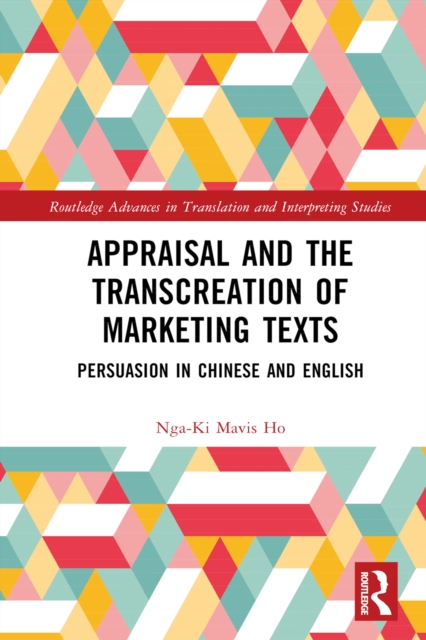
This book contributes to growing debates on transcreation, applying an appraisal framework to texts from luxury brands in Chinese and English to reveal new insights into marketing transcreation and set out transcreation as an area of study in its own right.