More than 70 percent of America's 60 million young people believe they can make a difference in their communities, and the numbers support their assertions.

This pathbreaking book examines the strategies, successes, and challenges of youth advocacy organizations, highlighting the importance of local contexts for these efforts.
People's experiences of racial inequality in adulthood are well documented, but less attention is given to the racial inequalities that children and adolescents face.
This collection presents a holistic picture of the sociolinguistic landscape in Bangladesh, offering a critical understanding of language ideologies and social inequalities in the country, as they connect more widely to dynamics in the Global South.
This edited book offers a new look at community and heritage languages schools around the world, providing a comprehensive and nuanced portrait of language education and cultural understanding in and beyond school contexts.
The Handbook of Juvenile Forensic Psychology is a comprehensive handbook for mental health professionals working with juveniles in the criminal justice system and in family and dependency courts.
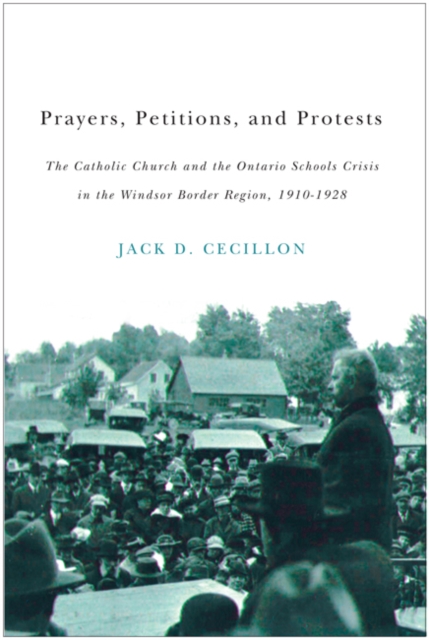
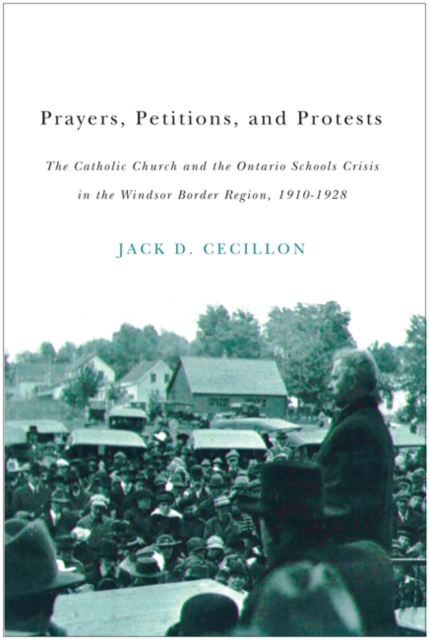
In 1912, the Ontario Conservative government issued the controversial Regulation 17 in an attempt to improve the quality of English-language teaching in the province, while effectively restricting French-language instruction within bilingual schools.
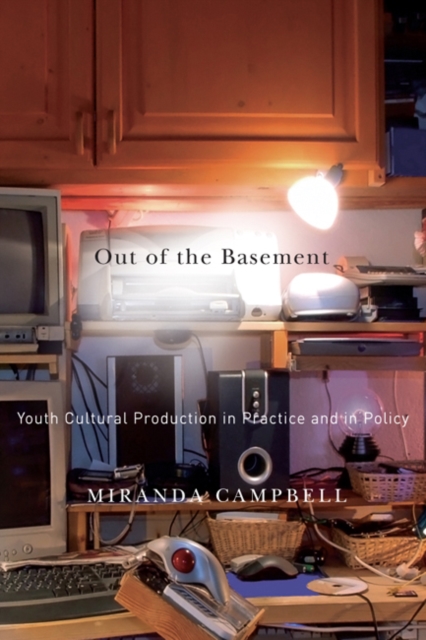
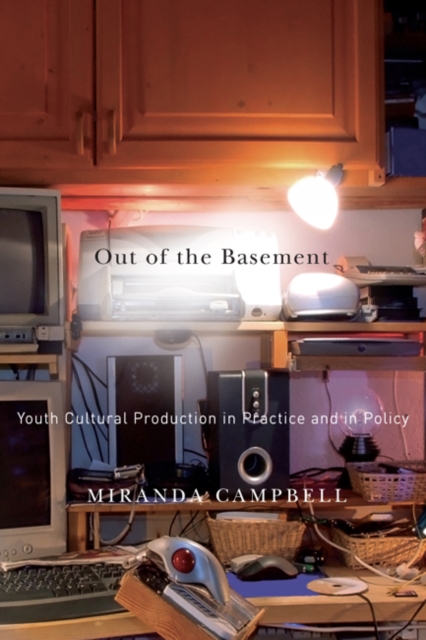
Soulja Boy, Justin Bieber, and Tavi Gevinson are hardly representative of typical youth experiences, but their origins highlight many of the realities of youth doing independent creative work.
At a time when Canadian governments are encouraging the dispersion of immigrants throughout the provinces in an attempt to reduce clustering in large metropolitan areas, studies of immigration outside urban centres are rare - and studies of immigrant youth even rarer.
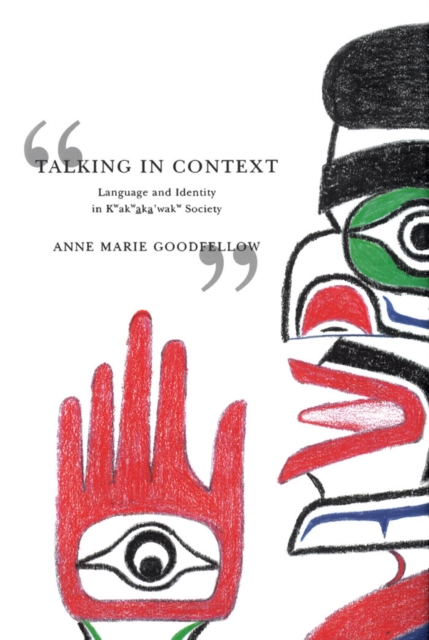
Talking in Context demonstrates the importance of cultural contact on the structure of languages and addresses the socio-cultural aspects of indigenous language use in the modern world.
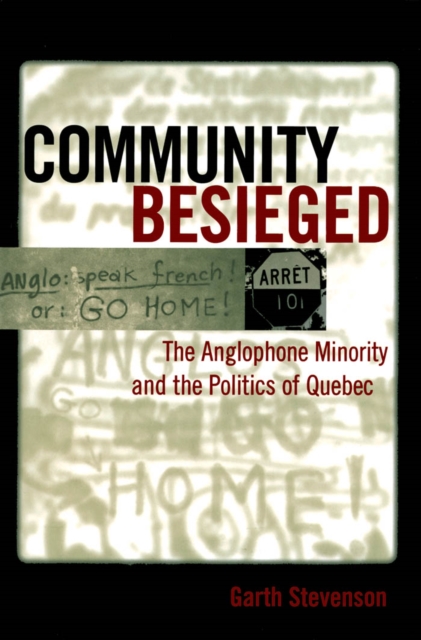
In Community Besieged Garth Stevenson describes the unusual circumstances that allowed English-speaking Quebecers to live in virtual isolation from their francophone neighbours for almost a century after Confederation.
Using a sample of 324 young adults in four urban centres who left high school in the mid-1980s as well as interviews with representative parents, former teachers, and employers, the authors identify factors that ease transition from school to.
Bonner analyses historical contributions to the urban-rural debate by Karl Marx, Ferdinand Tonnies, Max Weber, Georg Simmel, Louis Wirth, and Robert Redfield, as well as contributions by contemporary theorists, such as Ray Pahl, Anthony Giddens, and Peter Berger.
Solway explains that the current generation of students, raised in a nonhistorical and iconic environment, do not live in time as an emergent, continuous medium in which the complexities of experience are parsed and organized.
Childs discusses working-class family life and considers the changes that becoming a wage earner and a contributor to the family economy made to a youth's status within the home.
Homeless women and their children who reside in a transitional housing facility or shelter have experienced multiple traumas and disruptions in their earliest attachments.
Queer linguistics - in its position as both a linguistic science of and for queer folk - is inherently agitating to the disciplinary anxiety of a general linguistic science.
Contributing to the rapidly emerging field of ecolinguistics, this book explores the role of language in mediating and determining our relationship with nature and in shaping attitudes and social practices in environmental areas.
Social semiotics reveals language's social meaning its structures, processes, conditions and effects in all social contexts, across all media and modes of discourse.
The core of this book is a set of five lectures delivered by Habermas at Princeton in 1971 under the title 'Reflections on the Linguistic Foundation of Sociology'.
The Art of Conversation is a major contribution to the social history of language - a relatively new field which has become the focus of lively interdisciplinary debate in recent years.
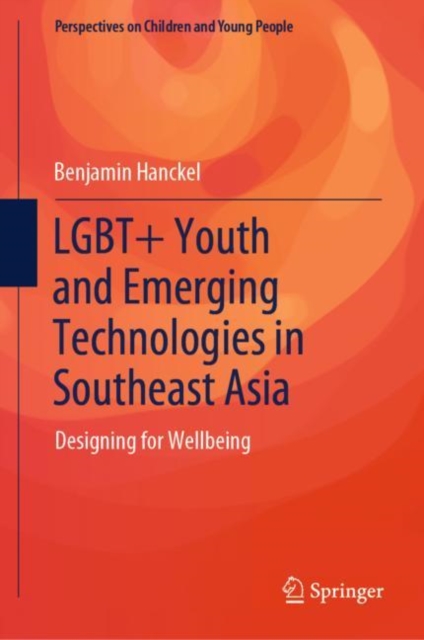
This book investigates the ways in which emerging digital technologies are shaping and changing the worlds of sexuality and gender diverse youth in Southeast Asia.
With his trademark eloquence and humour, Robert Dessaix, one of Australia's eminent writers, tackles humbug in the modern world-the tide of mumbo jumbo where words fall short of what they mean and motivations are not always what they appear.
Why your political beliefs are influenced by the language you speakVoicing Politics brings together the latest findings from psychology and political science to reveal how the linguistic peculiarities of different languages can have meaningful consequences for political attitudes and beliefs around the world.
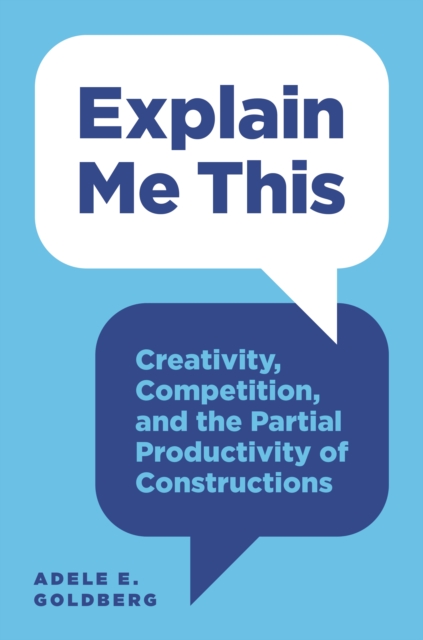
Why our use of language is highly creative yet also constrainedWe use words and phrases creatively to express ourselves in ever-changing contexts, readily extending language constructions in new ways.