All communication involves acts of stance, in which speakers take up positions vis-a-vis the expressive, referential, interactional and social implications of their speech.
Adding a new introduction and two previously unpublished papers, Discourse and Practice: New Tools for Critical Discourse Analysis brings together van Leeuwen's methodological work on discourse analysis of the last 15 years.
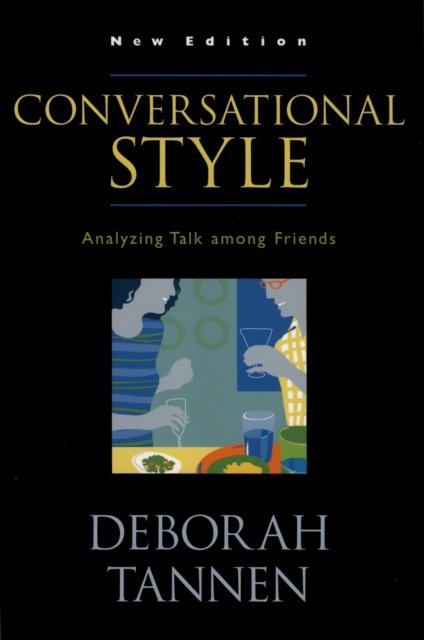
This revised edition of Deborah Tannen's first discourse analysis book, Conversational Style--first published in 1984--presents an approach to analyzing conversation that later became the hallmark and foundation of her extensive body of work in discourse analysis, including the monograph Talking Voices, as well as her well-known popular books You Just Don't Understand, That's Not What I Meant!
In this linguistic study of law school education, Mertz shows how law professors employ the Socratic method between teacher and student, forcing the student to shift away from moral and emotional terms in thinking about conflict, toward frameworks of legal authority instead.
It is commonly agreed by linguists and anthropologists that the majority of languages spoken now around the globe will likely disappear within our lifetime.
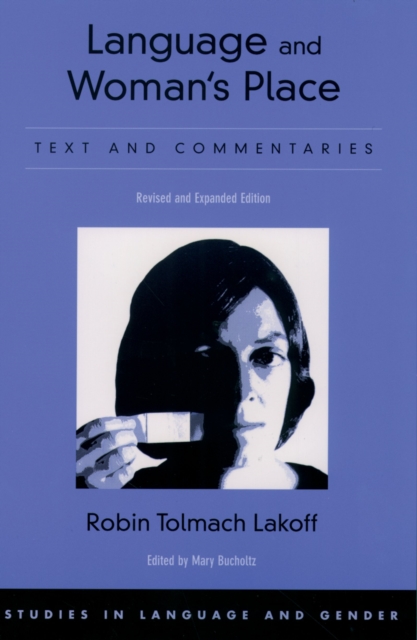
The 1975 publication of Robin Tolmach Lakoff's Language and Woman's Place, is widely recognized as having inaugurated feminist research on the relationship between language and gender, touching off a remarkable response among language scholars, feminists, and general readers.
"e;Language ideologies"e; are cultural representations, whether explicit or implicit, of the intersection of language and human beings in a social world.
Teen drug use is a critical and timely health issue that deeply affects adolescent development in a number of important areas, including social, cognitive, and affective functioning, as well as long-term health and wellbeing.
Nationalism informs our ideas about language, culture, identity, nation, and State--ideas that are being challenged by globalization and an emerging new economy.
In this book, Ghil'ad Zuckermann introduces revivalistics, a new trans-disciplinary field of enquiry surrounding language reclamation, revitalization, and reinvigoration.
Scholars of language ideology have encouraged us to reflect on and explore where social categories come from, how they have been reproduced, and whether and to what extent they are relevant to everyday interactional practices.
Since the publication of his groundbreaking books Writing Without Teachers and Writing with Power, Peter Elbow has revolutionized how people think about writing.
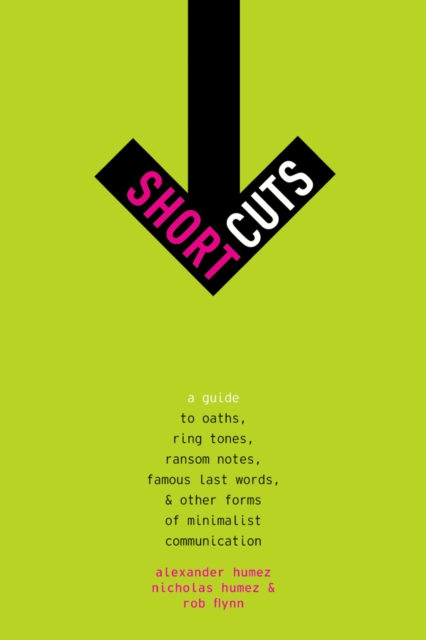
Our everyday lives are inevitably touched--and immeasurably enriched--by an extraordinary variety of miniature forms of verbal communication, from classified ads to street signs, and from yesterday's graffito to tomorrow's headline.
Our everyday lives are inevitably touched--and immeasurably enriched--by an extraordinary variety of miniature forms of verbal communication, from classified ads to street signs, and from yesterday's graffito to tomorrow's headline.
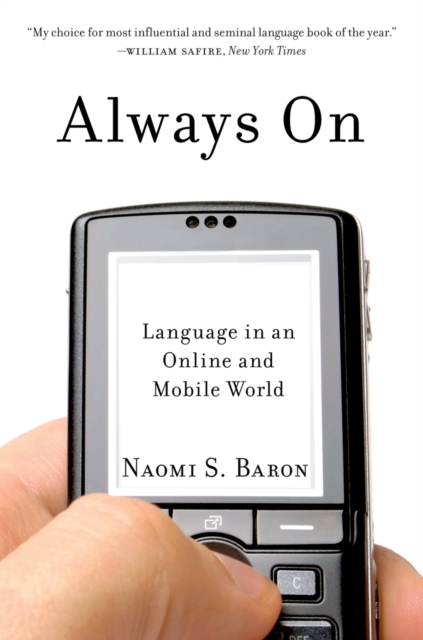
Computers, now the writer's tool of choice, are still blamed by skeptics for a variety of ills, from speeding writing up to the point of recklessness, to complicating or trivializing the writing process, to destroying the English language itself.
Computers, now the writer's tool of choice, are still blamed by skeptics for a variety of ills, from speeding writing up to the point of recklessness, to complicating or trivializing the writing process, to destroying the English language itself.
This revised edition of Deborah Tannen's first discourse analysis book, Conversational Style--first published in 1984--presents an approach to analyzing conversation that later became the hallmark and foundation of her extensive body of work in discourse analysis, including the monograph Talking Voices, as well as her well-known popular books You Just Don't Understand, That's Not What I Meant!
This volume offers a representative selection of Sally McConnell-Ginet's publications on language, gender and sexuality, which circle around the following themes: language users are actively engaged in making meanings, both as speakers and listeners; languages and socio-political institutions constrain, but do not determine, communicative possibilities; attention to language deepens understanding of gender and sexuality, including connections to ethnicity, class, race, and other dimensions of social identity and inequality.
All communication involves acts of stance, in which speakers take up positions vis-a-vis the expressive, referential, interactional and social implications of their speech.
Beyond Yellow English is the first edited volume to examine issues of language, identity, and culture among the rapidly growing Asian Pacific American (APA) population.
It is commonly agreed by linguists and anthropologists that the majority of languages spoken now around the globe will likely disappear within our lifetime.
When we watch and listen to actors speaking lines that have been written by someone else-a common experience if we watch any television at all-the illusion of "e;people talking"e; is strong.
The past decade brought forth a wave of excitement and promise for researchers and practitioners interested in community practice as an approach based on social justice principles and an embrace of community participatory actions.
The past decade brought forth a wave of excitement and promise for researchers and practitioners interested in community practice as an approach based on social justice principles and an embrace of community participatory actions.