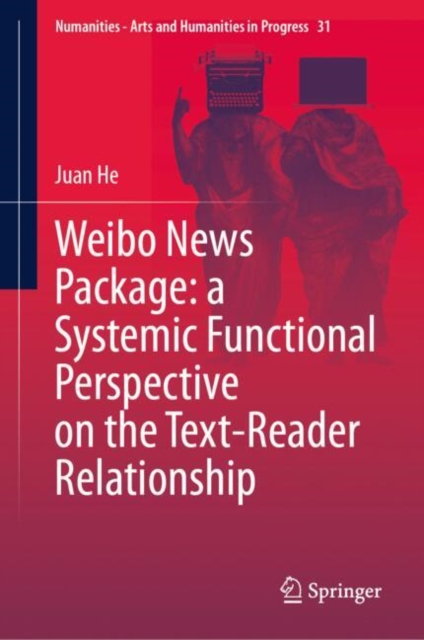
This book offers an academic dialogue between news values construction and readers' evaluative response in Weibo news package from the interpersonal perspective.
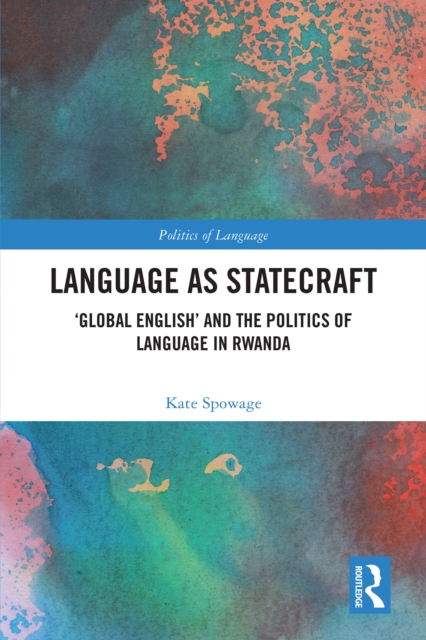
This book examines the rise of English in Rwanda, offering critical insights into the links between language, colonialism, and capitalism, with implications for our understanding of global English.
Through the Lens of Cultural Anthropology presents an introduction to cultural anthropology designed to engage students who are learning about the anthropological perspective for the first time.
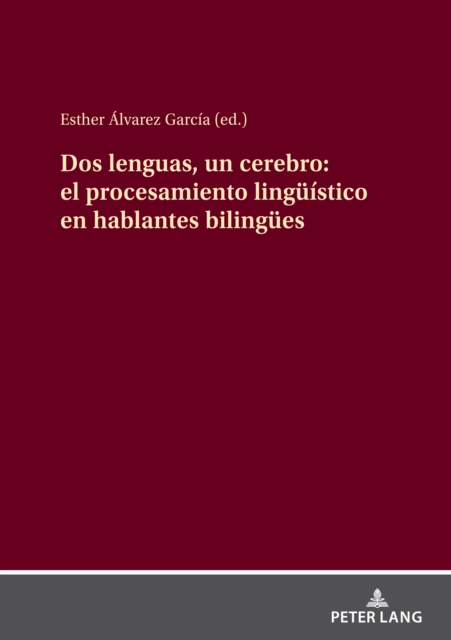
El Instituto Universitario de Lingüística Andrés Bello viene desarrollando desde hace casi cinco décadas una amplia labor investigadora en el campo de la lingüística teórica y aplicada.
First Published in 1975, Dilemmas of Discourse brings together strands of arguments from disciplines like sociology, anthropology, linguistics and philosophy to explore the debate around the issue of deciding the meaning of what people may say.
This book explores the ways in which adolescents in Nigeria domesticate technology and the role of digital gatekeepers such as parents, guardians, and teachers in their digital lifeworlds.
Linguistic variation, loosely defined as the wholesale processes whereby patterns of language structures exhibit divergent distributions within and across languages, has traditionally been the object of research of at least two branches of linguistics: variationist sociolinguistics and linguistic typology.
Higher education institutions (HEIs) are increasingly affected by globalization and internationalization, with implications for language use, teaching and learning in their academic communities.
This edited volume explores the scope of interdisciplinary linguistics and includes voices from scholars in different disciplines within the social sciences and humanities, as well as different sub-disciplines within linguistics.
The notion of the native speaker and its undertones of ultimate language competence, language ownership and social status has been problematized by various researchers, arguing that the ensuing monolingual norms and assumptions are flawed or inequitable in a global super-diverse world.
Discourse and ideology are quintessential, albeit contested concepts in many functionally oriented branches of linguistics, such as linguistic anthropology, critical discourse studies, sociolinguistics, and sociology of language.
This book focuses on the unexplored context of contemporary Swedish comic strips as sites of innovative linguistic practices, where humor is derived from language play and creativity, often drawing from English and other European languages as well as social and regional dialects of Swedish.
Today's growing mobility in European urban regions results in a more widespread language diversity, which is increasingly challenging current language policies.
This edited volume explores the scope of interdisciplinary linguistics and includes voices from scholars in different disciplines within the social sciences and humanities, as well as different sub-disciplines within linguistics.
This volume aims to fill two gaps in pragmatic research into English as a lingua franca (ELF): the investigation of conflict talk and the incorporation of a multimodal perspective into the analysis of ELF interactions.
Ruanni Tupas presents rich insights into the inequalities of Englishes and the ways in which these inequalities shape and impact English and multilingual speakers from around the world.
Humor may surface in numerous and diverse contexts, which at the same time determine how humor works, its form, and its functions and consequences for interlocutors.
This volume explores linguistic diversity and complexity in different urban contexts, many of which have never been subject to significant sociolinguistic inquiry.
Discourse and ideology are quintessential, albeit contested concepts in many functionally oriented branches of linguistics, such as linguistic anthropology, critical discourse studies, sociolinguistics, and sociology of language.
This book focuses on the unexplored context of contemporary Swedish comic strips as sites of innovative linguistic practices, where humor is derived from language play and creativity, often drawing from English and other European languages as well as social and regional dialects of Swedish.
This volume aims to fill two gaps in pragmatic research into English as a lingua franca (ELF): the investigation of conflict talk and the incorporation of a multimodal perspective into the analysis of ELF interactions.
Today's growing mobility in European urban regions results in a more widespread language diversity, which is increasingly challenging current language policies.
Humor may surface in numerous and diverse contexts, which at the same time determine how humor works, its form, and its functions and consequences for interlocutors.
Most journal articles, edited volumes and monographs on youth language practices deal with one specific variety, one geographical setting, or with one specific continent.
Ruanni Tupas presents rich insights into the inequalities of Englishes and the ways in which these inequalities shape and impact English and multilingual speakers from around the world.
This volume addresses two current gaps in pragmatics research in English as a lingua franca (ELF): Firstly, the contexts, approaches and theories of pragmatics generally that remain under-explored in studies of ELF speakers; secondly, the paucity of ELF pragmatics studies investigating Asia, despite its economic and geo-political importance and the role of English as a region-wide lingua franca.