This volume explores potential paths in historical sociolinguistics, with a particular focus on the inter-related areas of methodological innovations, hitherto un- or under-explored textual resources, and theoretical advancements and challenges.
Focusing on the multi-faceted topic of Eurolects, this volume brings together knowledge and methodologies from various disciplines, including sociolinguistics, legal linguistics, corpus linguistics, and translation studies.
This book is the result of intensive and continued discussions about the social role of language and its conceptualisations in societies other than Northern (European-American) ones.
World Englishes on the Web focuses on linguistic practices at the intersection of international migration and social media, examining the language repertoires of Nigerians living in the United States, and their negotiations of identity and authenticity on a Nigerian web forum.
The present volume brings together leading scholars studying language change from a variety of sociolinguistic perspectives, complementing and enriching the existing literature by providing readers with a kaleidoscopic perspective of aspects of change in English from around 1700 until the present day.
The papers in this volume address the interplay of factors underlying the formation of intermediate varieties in the 'dialect-standard' landscape of present-day Europe.
The Acquisition of Turkish in Childhood presents recent research on the nature of language acquisition by typically and atypically developing monolingual and bilingual Turkish-speaking children.
Conversational Humour and (Im)politeness is the first systematic study that offers a socio-pragmatic perspective on humorous practices such as teasing, mockery and taking the piss and their relation to (im)politeness.
Why our use of language is highly creative yet also constrainedWe use words and phrases creatively to express ourselves in ever-changing contexts, readily extending language constructions in new ways.
This book builds upon the growing field of Linguistic Landscape in order to demonstrate the power of a spatialized approach to language, culture, and literacy education as it opens classrooms and cultivates new competencies.
This edited book focuses on the state of language learning in Anglophone countries and brings together international research from a wide range of educational settings.
Shortlisted for the BAAL Book Prize 2025Presenting a detailed examination of the origins, evolutions, and state-of-the-art of linguistic landscape research, The Bloomsbury Handbook of Linguistic Landscapes is a comprehensive guide to the burgeoning field of linguistic landscapes and the study of meaning and interpretation in public spaces and settings.
This lively and engaging book, set in the historical context of centuries of migration and multilingualism in Berlin, explores the relationship between language and migration.
This collection brings together established and exciting new voices to shed light on the language of and about sex work, offering an empirically nuanced understanding of commercial sex through language.
This book explores many of the unanswered questions surrounding the original and eponymous Lingua Franca, a language spoken by peoples across the Mediterranean and North Africa for nearly three centuries.
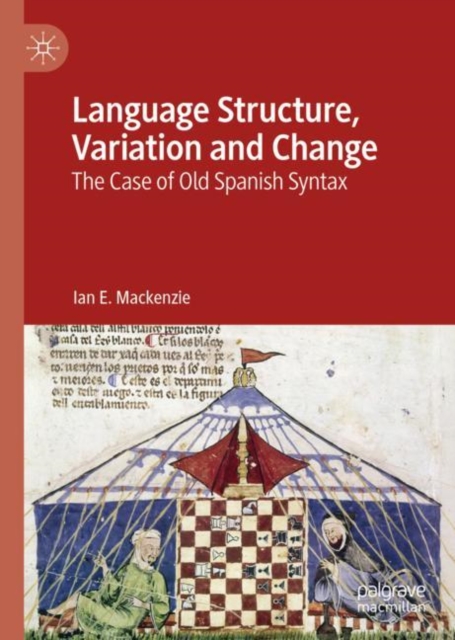
This book offers an original account of the dynamics of syntactic change and the evolving structure of Old Spanish that combines rigorous manuscript-based investigation, quantitative analysis and a syntactic approach grounded in Minimalist thinking.
Rooted in the performative of Speech Act Theory, this interdisciplinary study crafts a new model to compare the work we do with words when we protest: across genres, from different geographies and languages.
This edited book examines the phenomenon of English as a Lingua Franca (ELF) in the Japanese context, using multilingualism as a lens through which to explore language practices and attitudes in what is traditionally viewed as a monolingual, monocultural setting.
This book addresses one of the most crucial and common questions confronting planners of languages other than English, that is, how the impacts of global languages on local languages should be dealt with: internationalization or local language promotion?
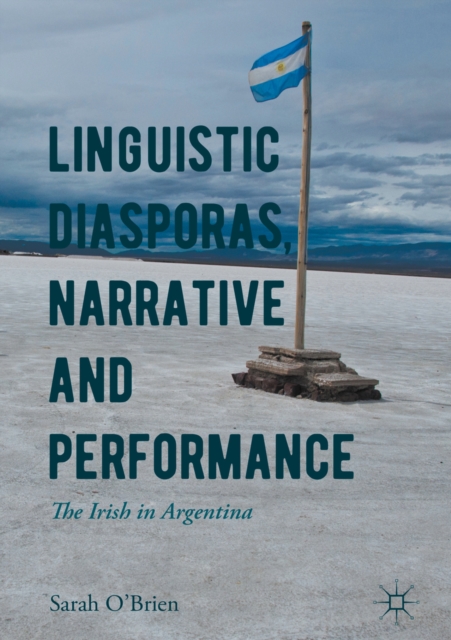
This book explores the present-day Irish Diaspora in Argentina, using oral narrative and a sociolinguistic theoretical framework to draw out the features that define contemporary Hiberno-Argentine identity.
This edited book makes a significant contribution to the relatively under-explored field of multilingualism and politics, approaching the topic from two key perspectives: multilingualism in politics, and the politics of multilingualism.
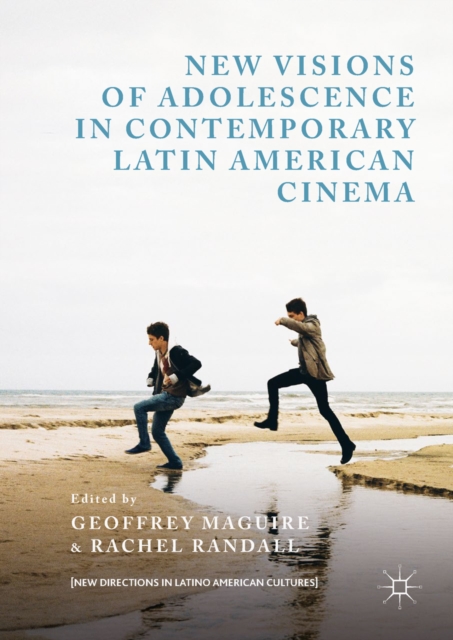
This volume explores the recent 'adolescent turn' in contemporary Latin American cinema, challenging many of the underlying assumptions about the nature of youth and distinguishing adolescence as a distinct and vital area of study.
This book covers research topics in bilingual education, language policies, language contact, identity of bilingual speakers, early bilingualism, heritage languages, and more, and provides an overview of current theory, research and practice in the field of bilingualism.
This volume will give readers insight into how genres are characterised by the patterns of frequency and distribution of linguistic features across a number of European languages.
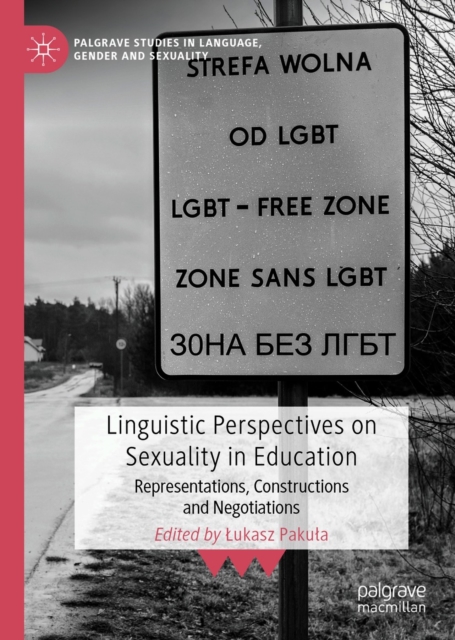
This book brings together leading academics and practitioners working in the area of language, gender, sexuality and education, consolidating recent developments and moving the field forward in a contemporary context.
This edited book presents contemporary empirical research investigating the use of language in professional settings, drawing on the contributions of a set of internationally-renowned authors.
This book examines how and why, in the context of International Relations, children's subjecthood has all too often been relegated to marginal terrains and children themselves automatically associated with the need for protection in vulnerable situations: as child soldiers, refugees, and conflated with women, all typically with the accent on the Global South.
This book challenges the dominant tendency in world Englishes scholarship to rely on the 'nation' as a static spatial entity and reliable analytic category.
This edited book examines how sexuality and sexual identity intersect and interact with other identities and subjectivities - including but not limited to race, religion, gender, social class, ableness, and immigrant or refugee status - to form reinforcing webs of privilege and oppression that can have significant implications for language teaching and learning processes.
This book empirically explores assessment of EFL (English as a Foreign Language) writing in different Arab world contexts at the university level, which often presents a challenge for teachers and students alike.
This book takes a fresh approach to analysing how new languages are created, combining in-depth colonial history and empirical, usage-based linguistics.