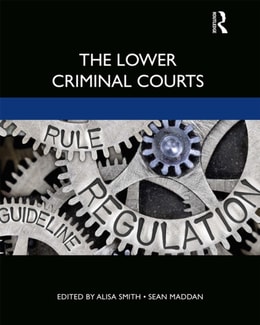
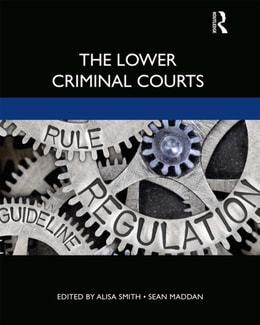
This book explores misdemeanor courts in the United States by focusing on the processing of misdemeanor crimes and the resultant consequences of conviction, such as loss of employment and housing, the imposition of significant fines, and loss of liberty-all amounting to the criminalization of poverty that happens in many U.
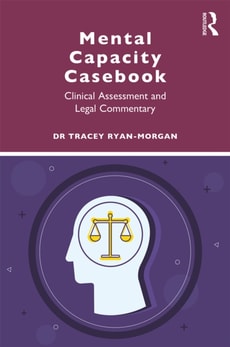
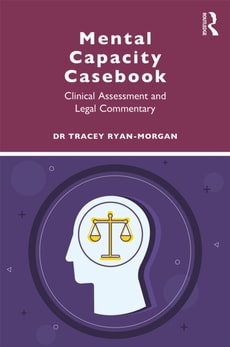
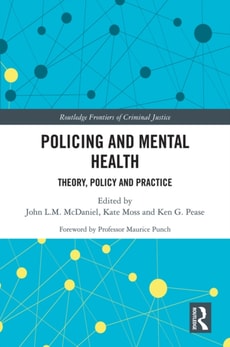
The Mental Capacity Act 2005 (MCA) provides a legal framework for acting on behalf of individuals who lack the capacity to make decisions for themselves.
This book explores misdemeanor courts in the United States by focusing on the processing of misdemeanor crimes and the resultant consequences of conviction, such as loss of employment and housing, the imposition of significant fines, and loss of liberty-all amounting to the criminalization of poverty that happens in many U.
The Mental Capacity Act 2005 (MCA) provides a legal framework for acting on behalf of individuals who lack the capacity to make decisions for themselves.
Using novel, bioethical framing alongside critical and comprehensive analysis of harm reduction approaches, this cutting-edge book addresses the multifaceted and transdisciplinary issue of drug addiction in society, exploring how addiction can be conceptualized from various disciplinary perspectives for positive policy outcomes.
Increasingly, therapy practitioners and researchers position themselves within a pluralistic perspective that draws on the value of multiple sources of knowledge.
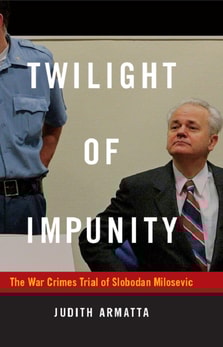
An eyewitness account of the first major international war-crimes tribunal since the Nuremberg trials, Twilight of Impunity is a gripping guide to the prosecution of Slobodan Milosevic for war crimes, crimes against humanity, and genocide.
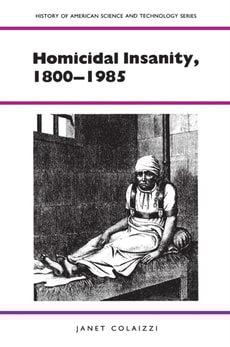
The first book-length rhetorical history and analysis of the insanity defense The insanity defense is considered one of the most controversial, most misunderstood, and least straightforward subjects in the American legal system.
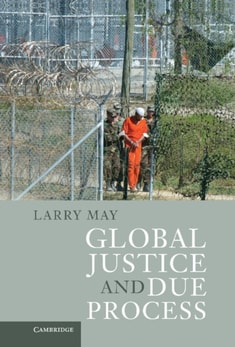
Contributors include Dapo Akande (Oxford), Antonio Franceschet (Acadia), Tracy Isaacs (Western Ontario), Catherine Lu (McGill), Darryl Robinson (The International Criminal Court), Michael P.
Contributors include Dapo Akande (Oxford), Antonio Franceschet (Acadia), Tracy Isaacs (Western Ontario), Catherine Lu (McGill), Darryl Robinson (The International Criminal Court), Michael P.
Coaching in the Grey Space is set to enhance the practice of coaching psychology, by defining the previously unidentified grey space - where boundaries between the coaching and therapeutic terrain intersect.
In Building the International Criminal Court, Schiff analyzes the International Criminal Court''s creation, innovations, dynamics, and operational challenges.
This essential text introduces criminal justice students to the topics of stress and wellness in personal and professional pursuits and provides them with the tools they will need to identify the signs of stress in their own lives and the lives of others.
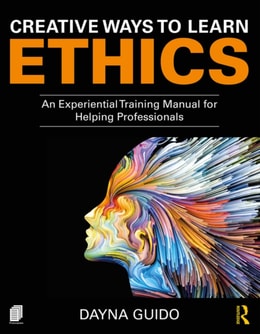
Creative Ways to Learn Ethics is an accessible, easy-to-read guide that compiles a variety of ethics trainings to help professionals stimulate their minds, relieve stress, and increase engagement and memory retention.
Creative Ways to Learn Ethics is an accessible, easy-to-read guide that compiles a variety of ethics trainings to help professionals stimulate their minds, relieve stress, and increase engagement and memory retention.
Palliative Care Within Mental Health: Ethical Practice explores the comprehensive concerns and dilemmas that occur surrounding people experiencing mental health problems and disorders.
Palliative Care Within Mental Health: Ethical Practice explores the comprehensive concerns and dilemmas that occur surrounding people experiencing mental health problems and disorders.
Educational Planning of Court-Involved Youth provides a framework for alleviating chronic barriers for youth in the child welfare and juvenile justice systems.
Educational Planning of Court-Involved Youth provides a framework for alleviating chronic barriers for youth in the child welfare and juvenile justice systems.
The Veterans Treatment Court Movement provides a comprehensive, empirical analysis of the burgeoning veteran's court movement from genesis through to operation, and concluding with comments on its societal relevance.
The Veterans Treatment Court Movement provides a comprehensive, empirical analysis of the burgeoning veteran's court movement from genesis through to operation, and concluding with comments on its societal relevance.