La presente monografía aborda, con un enfoque eminentemente práctico, una herramienta esencial para la preparación del proceso civil: las diligencias preliminares.
Es habitual seguir a la víctima a partir de evidencias estandarizadas, documentadas convencionalmente desde registros psicológicos, sociológicos o normativos.
La ejecución de las Sentencias declarativas de la nulidad de un instrumento de planeamiento urbanístico constituye en la práctica jurídico-administrativa una verdadera odisea.
La inmensa mayoría de los encuentros entre la policía y la ciudadanía son placenteros y satisfactorios para ambas partes, tal como demuestran los resultados de las encuestas existentes en estos momentos.
Los Delitos de Pornografía Infantil conforman el llamado Derecho penal sexual, cuyas sucesivas reformas son síntoma del carácter controvertido y polémico de esta tipología delictiva, planteando complejas cuestiones tanto respecto a la forma en la que el Derecho penal debe intervenir, así como a los límites de su castigo.
El siglo XV, en las coronas de Castilla y Aragón, finaliza con la implantación de los tribunales de la inquisición, para dar cumplimiento al mandato del Papa.
El término "terrorismo" alude a un concepto histórico y cambiante, cuya delimitación actual en la legislación española se debe a la Ley Orgánica 2/2015, de 30 de marzo, de modificación del Código Penal en materia de terrorismo, que pretendió adaptarlo a las necesidades de la lucha contra la mayor amenaza terrorista en la actualidad: el terrorismo yihadista.
En este libro, de forma novedosa, se trata de forma conjunta la prescripción y la imprescriptibilidad de los delitos, estudiando la evolución histórica de cada una de estas figuras desde sus orígenes hasta su actual regulación en el Código Penal español tras su modificación por Ley Orgánica 1/2015, de 30 de marzo, con mención especial a la importante reforma operada en la materia por la Ley Orgánica 5/2010, de 22 de junio.
Esta obra trata de colmar los distintos vacíos legales con los que nos encontramos en la regulación legal de la personación en el proceso penal, poniendo a disposición del lector diversas soluciones dirigidas a cumplir las expectativas legales de quienes deben o quieren participar como parte.
La venta judicial constituye el acto procesal de apremio más generalmente admitido para la conversión en dinero de los bienes del deudor y su entrega al ejecutante en pago de su crédito, cobrando especial protagonismo la realización de los bienes del deudor mediante su venta a través de los mecanismos procesales que autoriza el legislador por convenio entre las partes, enajenación o venta por persona especializada y venta mediante subasta pública, siendo estos dos últimos los más comúnmente admitidos para la venta judicial de inmuebles.
En esta obra se aborda de manera exhaustiva la lacra sobre la delincuencia organizada en relación a la inmigración ilegal, y el tráfico de inmigrantes como bien de consumo.
En el terreno de la práctica judicial, cada vez son más numerosos los casos en los que están implicados por diferentes delitos agentes internos de la empresa y, más recientemente, las propias organizaciones.
La presente obra estudia la siempre polémica fenomenología de las sectas desde la ciencia del Derecho penal en un intento de tratamiento global, sin desdeñar los enfoques filosóficos, psicológicos, psiquiátricos, sociológicos y criminológicos.
La sustracción parental de menores representa un tema de reciente actualidad, con algunos casos que han alcanzado gran repercusión mediática, aumentando sobre todo en el aspecto internacional−lo que se ha denominado como legal kidnapping o secuestro parental−, causado principalmente por el aumento de matrimonios mixtos y las frecuentes rupturas de pareja, suscitando conflictos culturales entre un deber jurídico y un deber moral, en la que los progenitores "se toman la justicia por su mano", incumpliendo una resolución judicial o administrativa.
Tiene declarado la Sala Segunda del Tribunal Supremo que el derecho a la prueba se configura como un derecho fundamental y es inseparable del mismo derecho de defensa, pero no es ilimitado como ningún otro lo es.
En España, una importante proporción de los delitos que llegan a nuestros Tribunales son cometidos por personas que presentan algún trastorno psiquiátrico.
Razones de Política Criminal asocian la "prisión permanente revisable" a la comisión de hechos, como los tipificados en el artículo 140 del Código Penal, particularmente dignos de mayor reproche social, frente a los cuales la sociedad exige mayor protección jurídicopenal y, en su caso, una respuesta contundente del sistema punitivo.
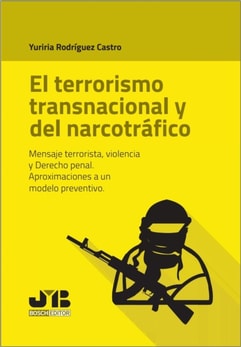
Esta obra invita al lector a entender el fenómeno terrorista como parte del universo de los delitos transnacionales, los cuales son cada vez más dinámicos y ubicuos, pues no se trata de forma aislada a una sola actividad criminal sino a múltiples de ellas haciéndolos prácticamente inclasificables.
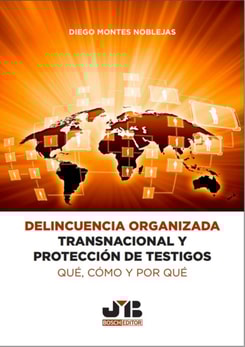
A pesar de los esfuerzos provenientes desde distintos ámbitos para atajarla, la delincuencia organizada transnacional es un fenómeno que ha ido creciendo en magnitud e importancia con el paso de las décadas.
La capacidad de adaptación del ser humano a las adversidades, es una de las características importantes que posee, esto es imprescindible para que quien comete delito, pueda sobreponerse mediante la readaptación y reinserción social.
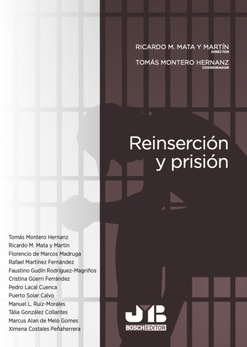
"Reinserción y prisión" nace en el marco del Proyecto de Investigación "La reforma penitenciaria: necesidades del sistema y modelo de ejecución penal" (PGC2018-096093-B-100), cuyo investigador principal es el Catedrático de Derecho Penal de la Universidad de Valladolid el Dr.
Putting forward a new approach to the study of corrections, this book draws together public health and corrections and explores the importance of this nexus.
"Aunque pudiera pensarse que entrados en el siglo XXI los derechos de la infancia están plenamente afianzados a nivel mundial, su reconocimiento es algo relativamente reciente y aún no asentado.
This essential text introduces criminal justice students to the topics of stress and wellness in personal and professional pursuits and provides them with the tools they will need to identify the signs of stress in their own lives and the lives of others.
THE GERMAN PRISON SYSTEM - a topic that interests politicians when elections are looming, and the media whenever scandal is involved - is expensive and largely ineffective: over half of the people released from prison re-offend within five years.
Mit der Föderalismusreform des Jahres 2007 hat eine bewährte Praxis auf der Grundlage eines Bundesgesetzes und bundeseinheitlich vereinbarter Verwaltungsvorschriften ein Ende gefunden.
Strafgesetzbuch (StGB) Strafprozeßordnung (StPO) Strafvollstreckungsordnung Justizvollzugs- und Strafvollzugsgesetze und Strafvollstreckungsordnung von BundesländernAbkommen zwischen der Regierung der Bundesrepublik Deutschland und der Regierung der Sozialistischen Republik Vietnam über die Zusammenarbeit bei der Bekämpfung von schwerwiegenden Straftaten und der Organisierten Kriminalität Arbeitsrecht - Gesetze und Verordnungen für Arbeitnehmer und Arbeitgeber Bekanntmachung über anzuwendende Strafvorschriften bei Verstößen gegen die Verordnung (EG) Nr.
Diese rechtsvergleichende Untersuchung beschäftigt sich mit der Frage, wie Täterschaft und Teilnahme im Europäischen Wirtschaftsstrafrecht ausgestaltet sind.
Jüngste Geldwäschefälle mit der Involvierung global agierender Banken verdeutlichen die steigende Relevanz von gesetzlichen Bestimmungen zur Eindämmung der Geldwäsche.
Die Fachtage "Familienorientierung im Strafvollzug" an der Hochschule Merseburg 2017 und 2018 hatten zum Ziel, AkteurInnen aus den Bereichen der Justiz, der Freien Straffälligenhilfe, aber auch andere professionell Handelnde, in einen moderierten Prozess des Austauschs über eine stärkere Orientierung des Vollzuges an den Bedarfen von Familien zu bringen.
Der Preis des Geldes in der StraffälligenhilfeAus dem Inhalt:- Geld, Gier und Betrug: Gedanken eines Psychoanalytikers- Ohne Schuldenregulierung keine Resozialisierung- Petition Rentenbeiträge für Strafgefangene- Privatisierung und Wettbewerb in der Straffälligenhilfe- Wege aus dem Schuldenturm - Umschuldung für ehemals Straffällige am Beispiel der Stiftung Resozialisierungsfonds für Straffällige in Hessen- Umgang und Motivation mit überschuldeten Inhaftierten in der täglichen vollzuglichen Arbeit- Geld, Frauen und Kriminalität- Geldverwaltung und Ersatzfreiheitsstrafe- Privatisiertes Einsperren und Gefangenenarbeit
WINNER OF THE UNIVERSITY OF SYDNEY PEOPLE'S CHOICE AWARD WINNER OF THE DAVITT AWARDSHORTLISTED FOR THE GORDON BURN PRIZESHORTLISTED FOR THE DOUGLAS STEWART PRIZESHORTLISTED FOR THE VICTORIAN PREMIER'S LITERARY PRIZESHORTLISTED FOR THE 2025 NED KELLY AWARD FOR BEST TRUE CRIMELONGLISTED FOR THE WALKLEY BOOK AWARDLONGLISTED FOR THE NIB LITERARY AWARD'I understand - and sympathise with - the feeling you might have that you already know the Jeffrey Epstein story.
Popular histories of organized crime in the United States often look to the Mafia and the sons of early twentieth-century immigrants - such as Al Capone, Lucky Luciano, and Meyer Lansky - for their origins.
Seit der ersten Auflage des Kommentars im Jahre 1995 hat sich die juristische Debatte über das Betäubungsmittelstrafrecht deutlich intensiviert, dies sowohl in der Wissenschaft wie auch in der Gerichtspraxis.