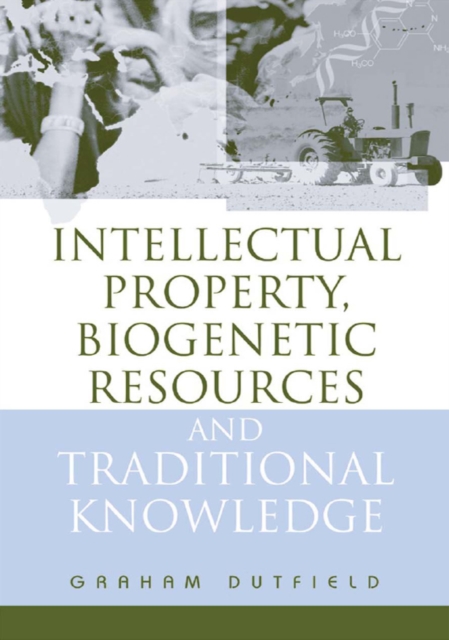
Biogenetic resources - the critical biological and chemical materials that underpin so much of medicine, both modern and traditional, agriculture, and wider economic activity in so many fields - are at the centre of heated debate regarding their use, development, and ownership, and the issues of ethics and equity that impinge on all of these factors.
'Biopiracy' refers either to the unauthorised extraction of biological resources, such as plants with medicinal properties, and associated traditional knowledge from indigenous peoples and local communities, or to the patenting of spurious 'inventions' based on such knowledge or resources without compensation.
'Biopiracy' refers either to the unauthorised extraction of biological resources, such as plants with medicinal properties, and associated traditional knowledge from indigenous peoples and local communities, or to the patenting of spurious 'inventions' based on such knowledge or resources without compensation.
This text examines the international agreements governing trade in genetic resources - crucial resources for world agriculture, food security and large industries such as pharmaceuticals.
This text examines the international agreements governing trade in genetic resources - crucial resources for world agriculture, food security and large industries such as pharmaceuticals.
Drawing on a wide variety of classic and contemporary sources, respected authors Trebilcock, Howse and Eliason here provide a critical analysis of the institutions and agreements that have shaped international trade rules.
Drawing on a wide variety of classic and contemporary sources, respected authors Trebilcock, Howse and Eliason here provide a critical analysis of the institutions and agreements that have shaped international trade rules.
The trade aspects of risk and the risk aspects of trade deserve more systematic and genuine interdisciplinary attention if we are to really understand the global, international and supranational dimensions of risk regulation.
This book is a review of the development of the WTO dispute resolution procedure and the power and influence it has gained over the practises of the member countries as well as in other international treaties.
This book is a review of the development of the WTO dispute resolution procedure and the power and influence it has gained over the practises of the member countries as well as in other international treaties.
China's historic accession to the World Trade Organization (WTO) in November 2001 not only represents an important milestone in the country's transition to a market economy and integration into the global economy, but is also among the most important events in the history of the WTO and the multilateral trading system.
China's historic accession to the World Trade Organization (WTO) in November 2001 not only represents an important milestone in the country's transition to a market economy and integration into the global economy, but is also among the most important events in the history of the WTO and the multilateral trading system.
With China's accession to the World Trade Organization imminent, this book brings together the expert views of scholars, policy-makers and business representatives on the consequences of this historic event.
With China's accession to the World Trade Organization imminent, this book brings together the expert views of scholars, policy-makers and business representatives on the consequences of this historic event.
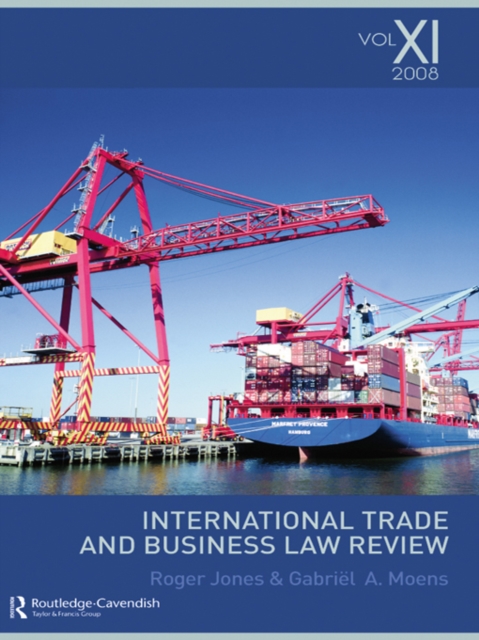
The International Trade and Business Law Review publishes leading articles, comments and case notes, as well as book reviews dealing with international trade and business law, arbitration law, foreign law and comparative law.
This book brings together a selection of papers originally presented and discussed at the fourth international restorative justice conference, held at the University of TAbingen.
This book brings together a selection of papers originally presented and discussed at the fourth international restorative justice conference, held at the University of TAbingen.
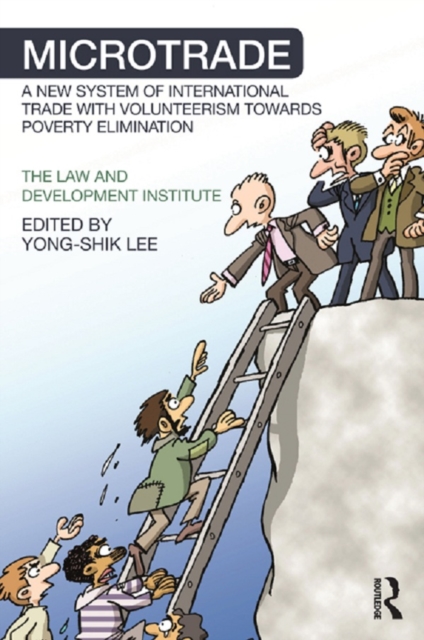
With contributions from well-regarded scholars of international economic law, this book sets out the case for an innovative solution to extreme poverty which utilizes international trade and its legal framework to relieve populations of the poorest countries around the world of extreme poverty.
The global transmission of infectious diseases has fuelled the need for a more developed legal framework in international public health to provide prompt and specific guidance during a large-scale emergency.
As the world economy is liberalized, and national economies become more intertwined, the national decision making of states is also increasingly interdependent, and it has become vital for non-governmental organizations to create an international agenda.
As the world economy is liberalized, and national economies become more intertwined, the national decision making of states is also increasingly interdependent, and it has become vital for non-governmental organizations to create an international agenda.
This book highlights the tremendous shift in the traditional arrangements for the delivery of civil justice in the Commonwealth Caribbean, from litigation to alternative dispute resolution (ADR) processes.
This book highlights the tremendous shift in the traditional arrangements for the delivery of civil justice in the Commonwealth Caribbean, from litigation to alternative dispute resolution (ADR) processes.
In noting that the actions of entities other than states in the economic arena can and often do have a profound effect on human rights, this book poses the question as to how international human rights law can and should address that situation.
In noting that the actions of entities other than states in the economic arena can and often do have a profound effect on human rights, this book poses the question as to how international human rights law can and should address that situation.
The widespread move towards more market-driven models of political economy combined with the expanding internationalisation of business and commerce has led to a series of proposals for global competition rules.
The widespread move towards more market-driven models of political economy combined with the expanding internationalisation of business and commerce has led to a series of proposals for global competition rules.