After the devastation of two world wars, Europe sought to prevent future conflict through new institutions-one of the most significant being the European Court of Human Rights.
After the devastation of two world wars, Europe sought to prevent future conflict through new institutions-one of the most significant being the European Court of Human Rights.
Combining perspectives from law and the social sciences, this book provides an account of the origins and evolution of six regional human rights courts.
The Oxford Handbook of Transitional Justice is an authoritative guide to the rapidly growing domain of transitional justice-the practices and processes of reckoning pursued in the aftermath of historic injustice.
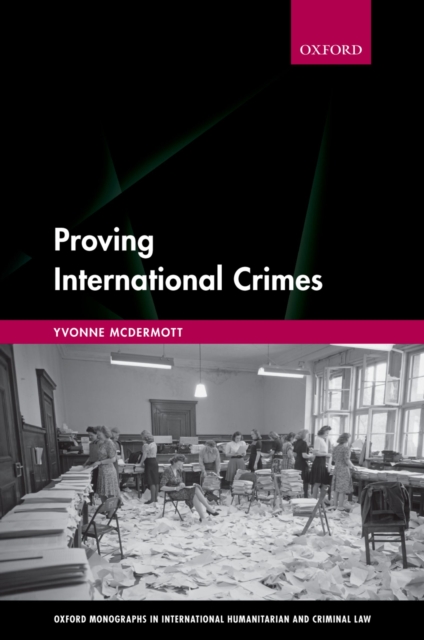
Proving International Crimes elucidates how international criminal tribunals have tackled the immense and complex task of proving international crimes such as genocide, war crimes, and crimes against humanity.
The legal rights and protections of members of the LGBTI community have been subject to debate in courtrooms and in academic law discourse internationally for decades - increasingly so since the 1990s.
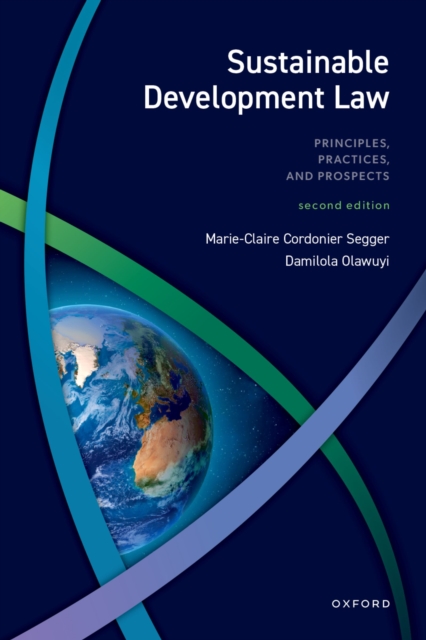
Hundreds of new bilateral, regional, and global treaties have been negotiated in relation to the world's most pressing sustainability, development, and justice challenges over the past two decades.
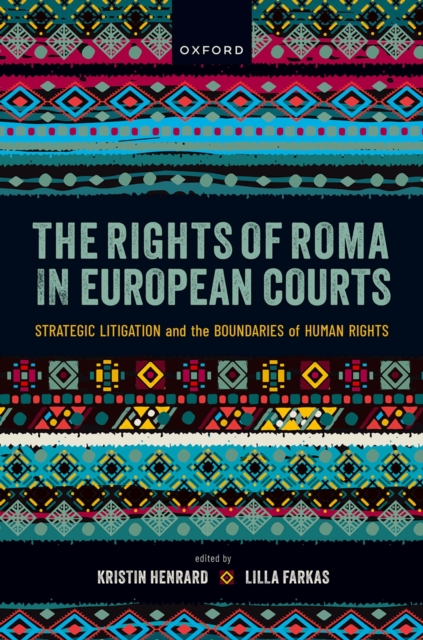
The abundance of Roma rights cases before international and European courts reflects the Roma's systemic marginalization as well as their resolve to push the boundaries of human rights law.
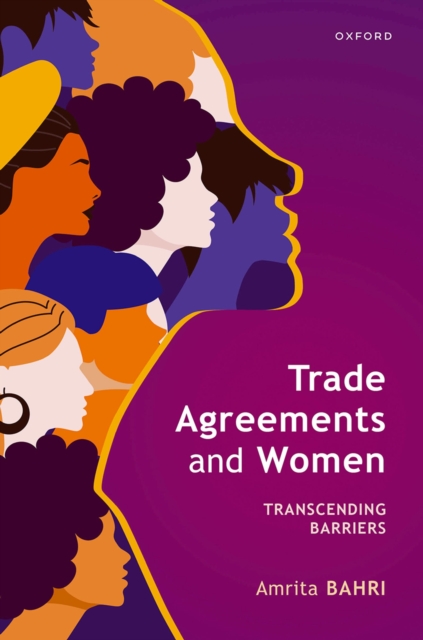
With more and more countries including provisions on women's concerns in their trade agreements, Trade Agreements and Women: Transcending Barriers explores how women's empowerment and trade liberalization interact, overlap, and converge.
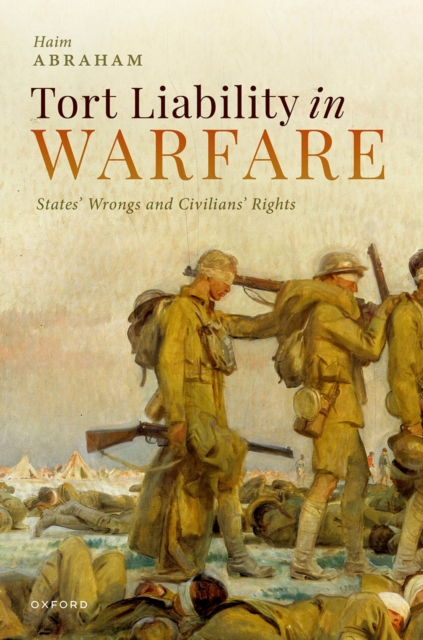
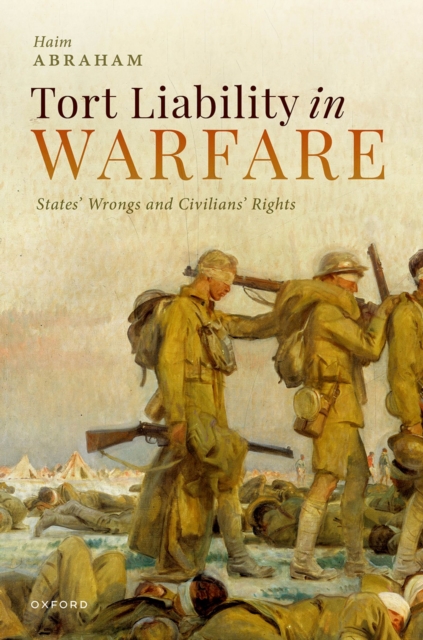
In the turbulent arena of armed conflicts, Tort Liability in Warfare: States' Wrongs and Civilians' Rights emerges as a groundbreaking exploration of civilians' legal recourse against states for losses to life, bodily integrity, and property.
The legal rights and protections of members of the LGBTI community have been subject to debate in courtrooms and in academic law discourse internationally for decades - increasingly so since the 1990s.
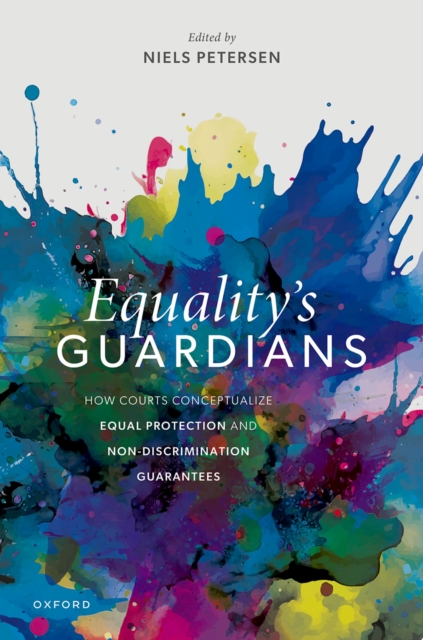
Equality's Guardians offers an unparalleled comparative analysis of constitutional equality case law from apex courts across 18 jurisdictions worldwide, including key international human rights treaties.
The European Union and Human Rights: Analysis, Cases, and Materials maps and critiques the EU's commitment to human rights in both internal and external affairs.
Equality's Guardians offers an unparalleled comparative analysis of constitutional equality case law from apex courts across 18 jurisdictions worldwide, including key international human rights treaties.
Proving International Crimes elucidates how international criminal tribunals have tackled the immense and complex task of proving international crimes such as genocide, war crimes, and crimes against humanity.
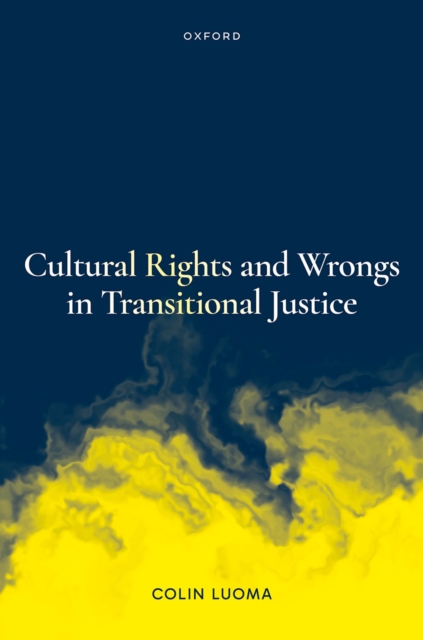
Cultural Rights and Wrongs in Transitional Justice provides the first in-depth analysis of culture and cultural rights in the field of transitional justice.
Hundreds of new bilateral, regional, and global treaties have been negotiated in relation to the world's most pressing sustainability, development, and justice challenges over the past two decades.
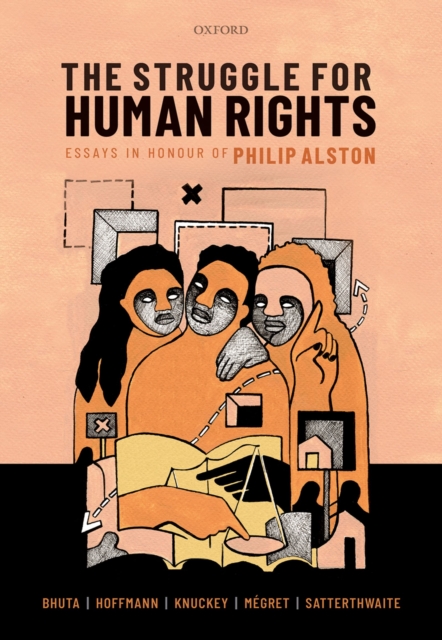
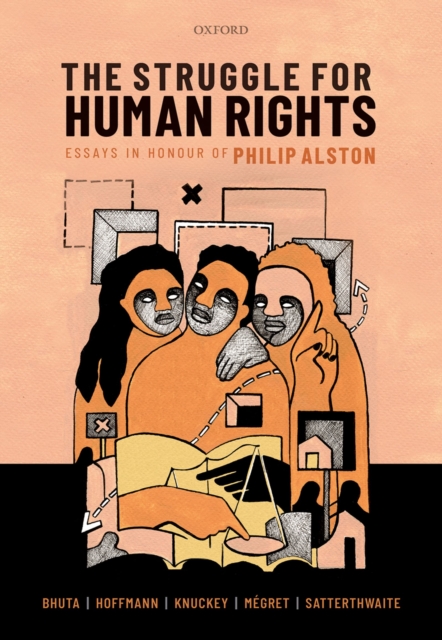
The Struggle for Human Rights evaluates the themes of law, politics, and practice which together define international human rights practice and scholarship.
The Struggle for Human Rights evaluates the themes of law, politics, and practice which together define international human rights practice and scholarship.
In international humanitarian law (IHL), the principle of distinction delineates the difference between the civilian and the combatant, and it safeguards the former from being intentionally targeted in armed conflicts.
Violence against Women and Regimes of Exception provides a wide-ranging examination of how migration law discriminates against women, heightening their risk of being subjected to violence and intensifying their experiences of it.
Cultural Rights and Wrongs in Transitional Justice provides the first in-depth analysis of culture and cultural rights in the field of transitional justice.
The Oxford Handbook of Transitional Justice is an authoritative guide to the rapidly growing domain of transitional justice-the practices and processes of reckoning pursued in the aftermath of historic injustice.
This thoroughly revised second edition of the Research Handbook on Human Rights and Poverty builds on the significant contribution of the first edition to the understanding of global poverty, addressing new developments in the nexus of human rights, poverty and inequality.