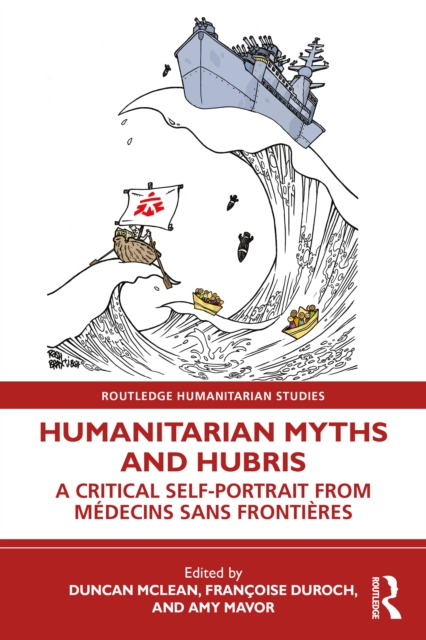
This collective work offers a critical analysis of contemporary humanitarian action, through the prism of Medecins Sans Frontieres/Doctors Without Borders (MSF).
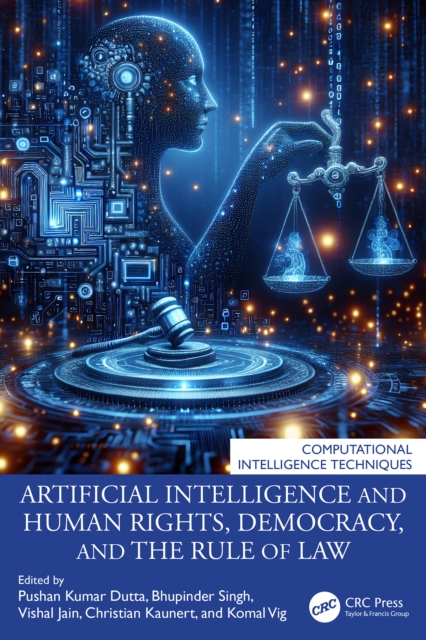
This book introduces a comprehensive model for evaluating the effects of artificial intelligence (AI) on human rights, democracy, and the rule of law and an innovative framework that merges Human Rights Impact Assessments (HRIAs) practices with AI-focused algorithmic impact assessment approaches.
Ausgelöst durch politische Umwälzungen, Kriege und Vertreibungen kamen während der vergangenen 30 Jahre Millionen Menschen – Muslime, Christen und Juden – nach Deutschland.
El desarrollo tecnológico relacionado con la cibernética se produce a tal velocidad, que los operadores de otros ámbitos profesionales y del conocimiento muestran dificultades evidentes para seguir ese frenético ritmo técnico, económico y de impacto social.
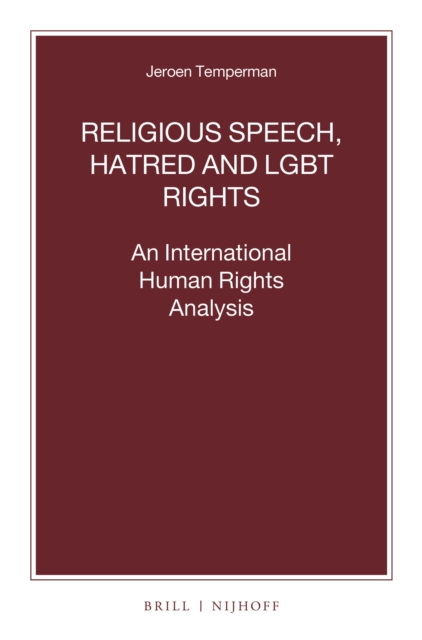
This book investigates the dynamics between international incitement prohibitions and international standards on freedom of religious speech, with a special focus on the potential incitement prohibitions for the protection of the rights of LGBT+ people.
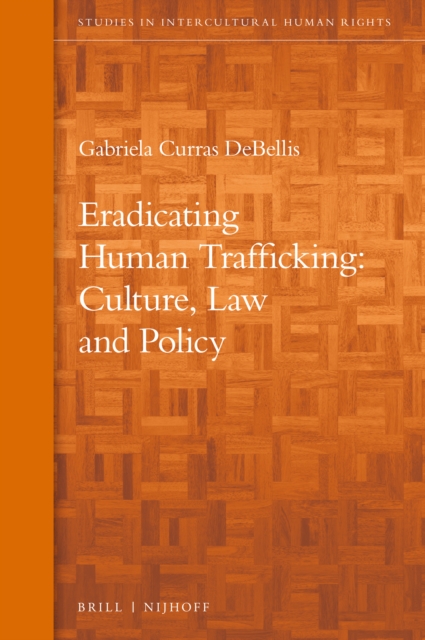
With over 40 million people still enslaved around the world, this book takes a closer look at the role of culture in society and how certain practices, beliefs or behaviors may be fueling human trafficking beyond what the law can curtail.
Political disinformation, broadly understood as disinformation relating to matters of public interest, presents a pervasive challenge in today's information landscape.
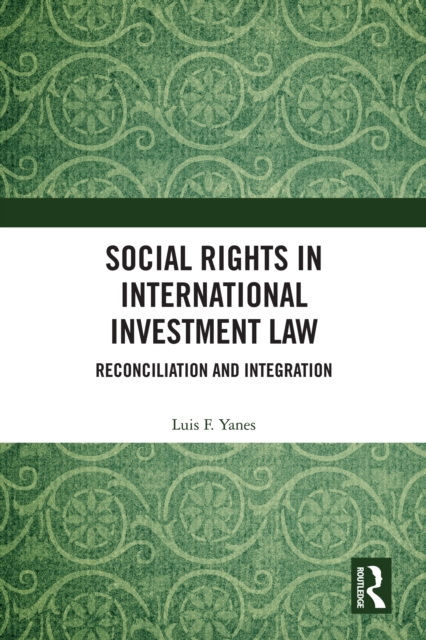
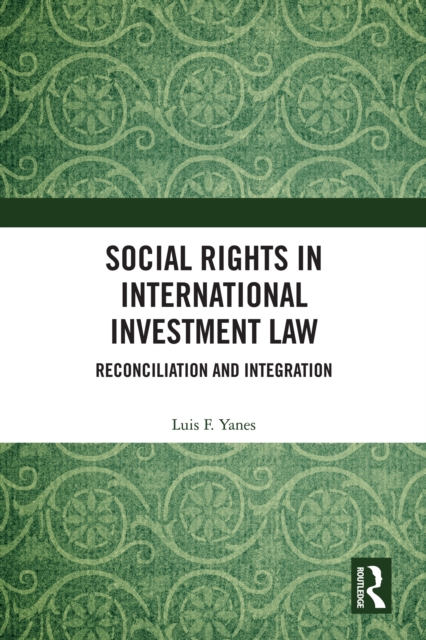
The book examines the complex relationship between international investment law and international human rights law, focusing on the privatisation of social rights services, such as water, health, education, and housing.
The book examines the complex relationship between international investment law and international human rights law, focusing on the privatisation of social rights services, such as water, health, education, and housing.
The current societal transformations, brought by globalization and technological innovation, have disrupted the global and multilevel constitutional landscape, now fragmented in standardized and massified relationships in which inequalities are increasingly amplified.
The term radicalisation is being used by politicians, activist groups, the media, governmental organisations, and many other groups, although it lacks conceptual clarity and insufficient consideration is given to its historical context.
The term radicalisation is being used by politicians, activist groups, the media, governmental organisations, and many other groups, although it lacks conceptual clarity and insufficient consideration is given to its historical context.
The current societal transformations, brought by globalization and technological innovation, have disrupted the global and multilevel constitutional landscape, now fragmented in standardized and massified relationships in which inequalities are increasingly amplified.
This brief addresses the contested relationship between an individual’s right of access to his or her personal data under data protection law and the protection of a whistleblower’s identity.
Political disinformation, broadly understood as disinformation relating to matters of public interest, presents a pervasive challenge in today's information landscape.
This brief addresses the contested relationship between an individual’s right of access to his or her personal data under data protection law and the protection of a whistleblower’s identity.