Shows that the shari''a and Islamic law are compatible with contemporary international human rights laws and norms, and appropriate for use in Muslim societies.
Shows that the shari''a and Islamic law are compatible with contemporary international human rights laws and norms, and appropriate for use in Muslim societies.
Documentation from Truth and Reconciliation Commissions highlights the need for post-conflict societies to have access to - and to use - Truth Reconciliation Commissions (TRCs') documentation to achieve reconciliation and to work towards a democratic society.
This book contributes to existing debates on the Responsibility to Protect (R2P) by demonstrating new advocacy strategies and the greater interconnectedness of various R2P proponents.
This edited collection seeks to map the landscape of contemporary informational interests, to evaluate a range of recognised and putative rights and wrongs associated with modern information societies, and to consider how law, regulation, and governance should be deployed in response.
This book explores how the religious nationalist ideology of American Religious Exceptionalism (ARE) contributes to the American public''s self-promoting, exclusionary, and sometimes illiberal attitudes.
This book explores how the religious nationalist ideology of American Religious Exceptionalism (ARE) contributes to the American public''s self-promoting, exclusionary, and sometimes illiberal attitudes.
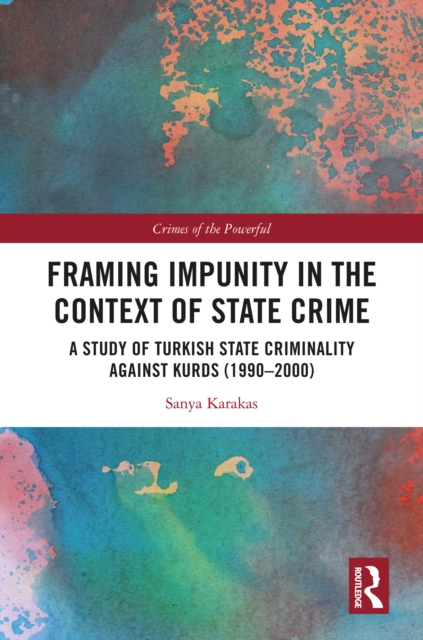
This book introduces a new conceptual framework for impunity within state crime theory and uses Turkish state criminality against Kurds between 1990 and 2000 as a case study.
This book contributes to existing debates on the Responsibility to Protect (R2P) by demonstrating new advocacy strategies and the greater interconnectedness of various R2P proponents.
The principle of solidarity is particularly important now because it is in juxtaposition to some current self-centered trends in politics: the crises that have upset the world in recent years, such as migrations, hegemonic aspirations, pandemics, and wars, have made self-evident the inadequacy of such selfish politics.
The principle of solidarity is particularly important now because it is in juxtaposition to some current self-centered trends in politics: the crises that have upset the world in recent years, such as migrations, hegemonic aspirations, pandemics, and wars, have made self-evident the inadequacy of such selfish politics.
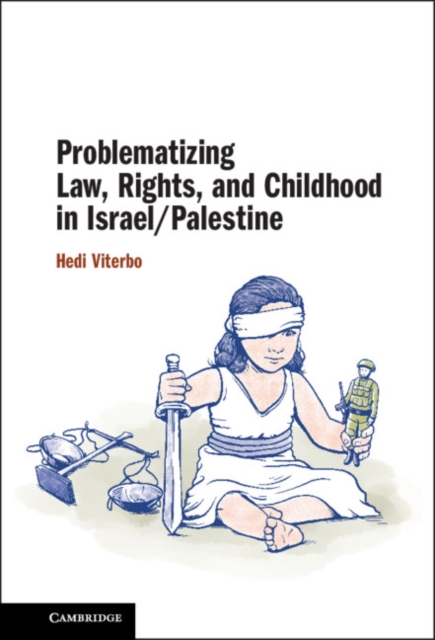
Balancing a child's welfare interests and rights so as to ensure recognition and respect for his or her autonomous identity, while facilitating family unity, has become a major challenge for modern family law.