This book delves into the core of representative democracy in order to explain its main features institutional and imaginary and to show the reasons for its increasing dysfunctionality.
La investigación y señalamiento de los máximos responsables de haber perpetrado crímenes internacionales, es un elemento clave que puede ayudar a terminar con la impunidad histórica que permea al sur global.
This book explores the concept of human rights as constructed in language, shedding light on discursive and professional practices at the European Court of Human Rights (ECtHR), as differentiated from other judicial institutions offering human rights defence mechanisms.
This book analyses the discharge of debts procedure in relation to insolvent entrepreneurs, covering the protection of human rights under insolvency law.
Moving beyond simplistic and sensationalist portrayals of kidnapping, this book offers a critical and interdisciplinary analysis that examines kidnapping as a social, historical, cultural, and political phenomenon.
Analyzing media coverage in cases where cultural heritage sites have been destroyed during conflict, occupation, and war, this book highlights the important role media play in the preservation of cultural heritage when states or other combatants engage in human rights violations.
FROM THE BEST-SELLING AUTHOR OF MY SEDITIOUS HEART AND THE MINISTRY OF UTMOST HAPPINESS, A NEW AND PRESSING DISPATCH FROM THE HEART OF THE CROWD AND THE SOLITUDE OF A WRITER'S DESKThe chant of 'Azadi!
This book focuses on the role and content of the principle of the welfare interests of the child, considers the extent to which the principle has changed following its varied elevation by the introduction of paramountcy and reviews the distinction between welfare interests and rights.
Since the 2000 presidential election, debate over the role of religion in public life has followed a narrow course as pundits and politicians alike have focused on the influence wielded by conservative Christians.
In recent years, as government agencies have encouraged faith-based organizations to help ensure social welfare, many black churches have received grants to provide services to their neighborhoods' poorest residents.
President Obama has signaled a sharp break from many Bush Administration policies, but he remains committed to federal support for religious social service providers.
This book offers a thorough, critical, and accessible analysis of the American Convention on Human Rights which is the main human rights treaty of the Americas.
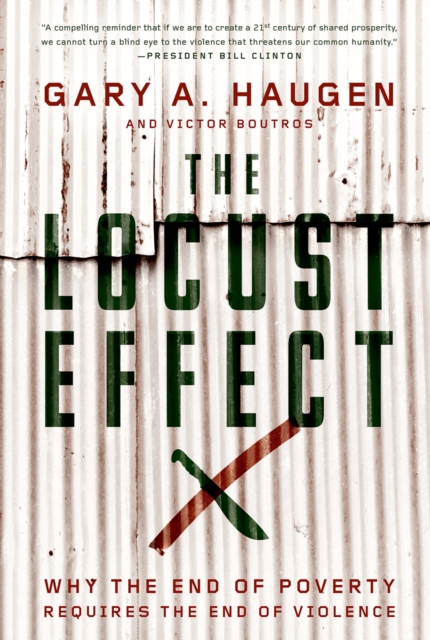
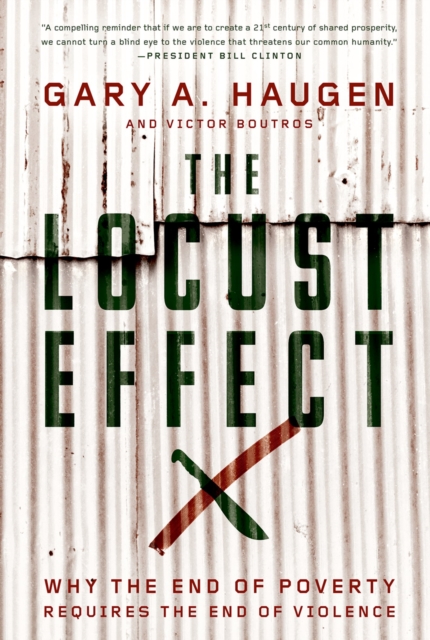
A Washington Post bestsellerWhile the world has made encouraging strides in the fight against global poverty, the hidden plague of everyday violence silently undermines our best efforts to help the poor.
In Humanitarian Law in Action within Africa, Jennifer Moore studies the role and application of humanitarian law by focusing on African countries that are emerging from civil wars.
A Washington Post bestsellerWhile the world has made encouraging strides in the fight against global poverty, the hidden plague of everyday violence silently undermines our best efforts to help the poor.
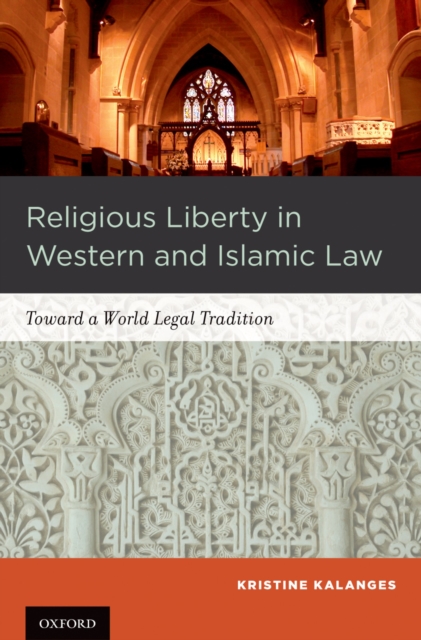
In Religious Liberty in Western and Islamic Law: Toward a World Legal Tradition, Kristine Kalanges argues that differences between Western and Islamic legal formulations of religious freedom are attributable, in substantial part, to variations in their respective religious and intellectual histories.
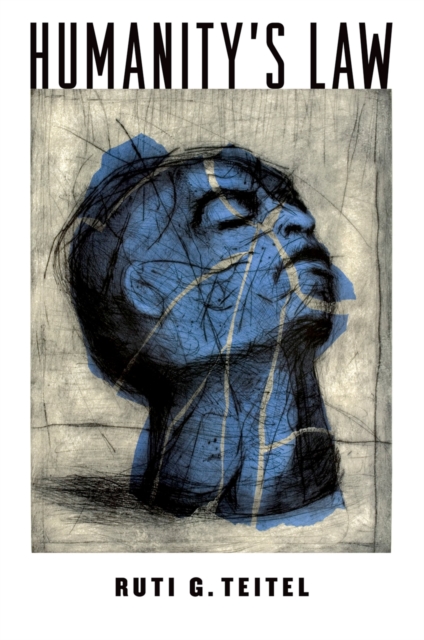
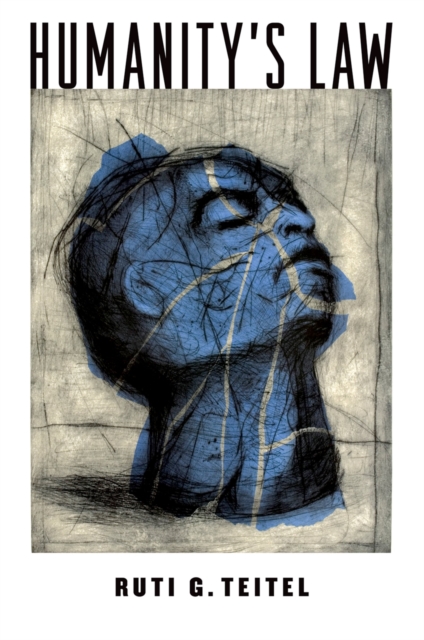
In Humanity's Law, renowned legal scholar Ruti Teitel offers a powerful account of one of the central transformations of the post-Cold War era: the profound normative shift in the international legal order from prioritizing state security to protecting human security.
Constitutionalism in Islamic Countries: Between Upheaval and Continuity examines the question of whether something similar to an "e;Islamic constitutionalism"e; has emerged out of the political and constitutional upheaval witnessed in many parts of North Africa, the Middle East, and Central and Southern Asia.
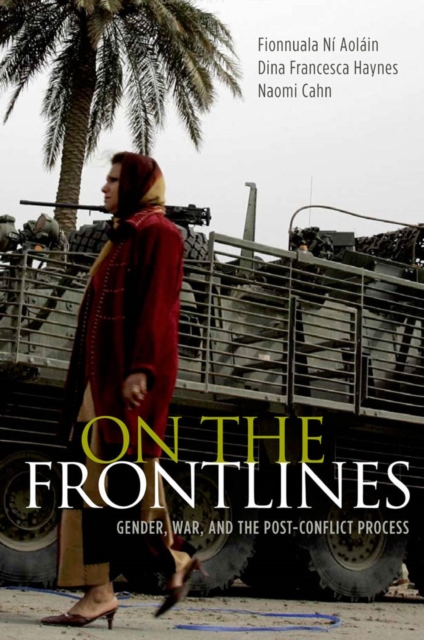
Gender oppression has been a feature of war and conflict throughout human history, yet until fairly recently, little attention was devoted to addressing the consequences of violence and discrimination experienced by women in post-conflict states.
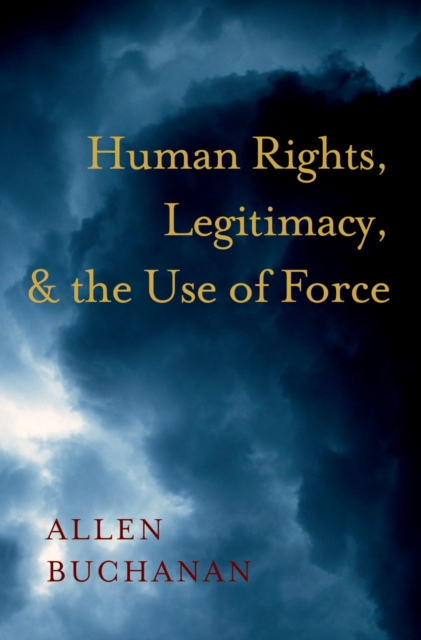
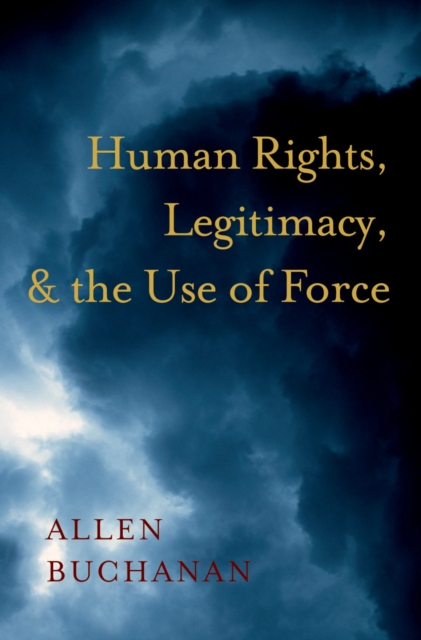
The thirteen essays by Allen Buchanan collected here are arranged in such a way as to make evident their thematic interconnections: the important and hitherto unappreciated relationships among the nature and grounding of human rights, the legitimacy of international institutions, and the justification for using military force across borders.
Society is largely blind-often willfully blind-to the ongoing violations of international human rights law when it comes to the treatment of persons with mental disabilities.
There is a broad consensus among scholars that the idea of human rights was a product of the Enlightenment but that a self-conscious and broad-based human rights movement focused on international law only began after World War II.
There is a broad consensus among scholars that the idea of human rights was a product of the Enlightenment but that a self-conscious and broad-based human rights movement focused on international law only began after World War II.
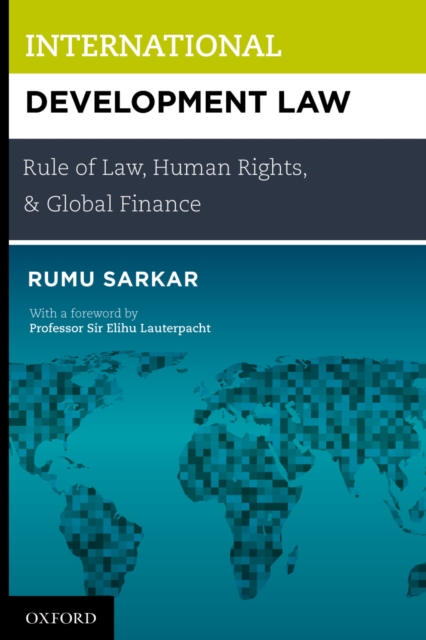
International Development Law: Rule of Law, Human Rights, and Global Finance provides a tightly interwoven, well-organized, multi-disciplinary approach to the complex legal issues underlying sustainable international development.
The thirteen essays by Allen Buchanan collected here are arranged in such a way as to make evident their thematic interconnections: the important and hitherto unappreciated relationships among the nature and grounding of human rights, the legitimacy of international institutions, and the justification for using military force across borders.
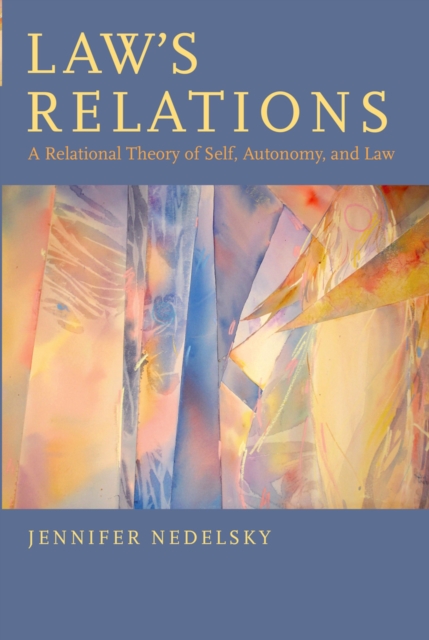
In this brilliantly innovative work, Jennifer Nedelsky claims that we must rethink our notion of autonomy, rejecting the usual vocabulary of control, boundaries, and individual rights.
In Humanity's Law, renowned legal scholar Ruti Teitel offers a powerful account of one of the central transformations of the post-Cold War era: the profound normative shift in the international legal order from prioritizing state security to protecting human security.
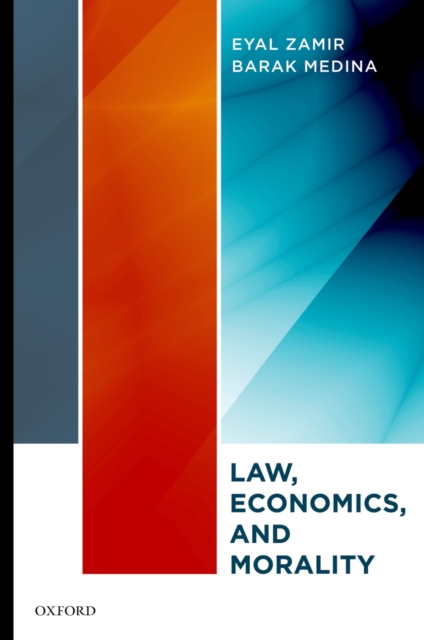
Law, Economics, and Morality examines the possibility of combining economic methodology and deontological morality through explicit and direct incorporation of moral constraints into economic models.
At the turn of the millennium, a new phenomenon emerged: conservatives, who just decades before had rejected the expanding human rights culture, began to embrace human rights in order to advance their political goals.
At the turn of the millennium, a new phenomenon emerged: conservatives, who just decades before had rejected the expanding human rights culture, began to embrace human rights in order to advance their political goals.
The growth of international law in the post-World War II era stemmed partly from the belief that universal norms would make life for the entire world's population safer, more equitable, and more conducive to each person's acquisition of basic material needs.