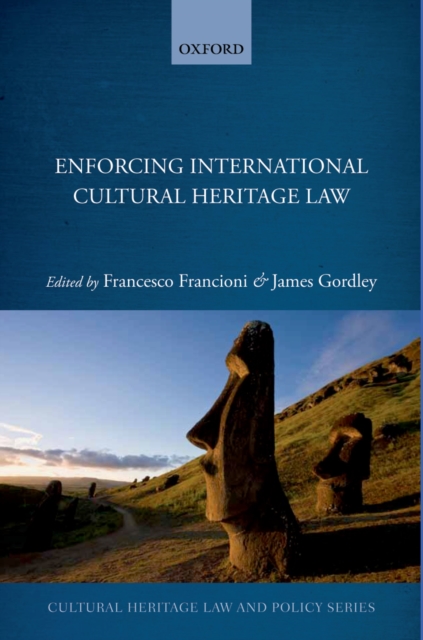
The idea of cultural heritage as an 'international public good' can be traced back to the Preamble of the 1954 Hague Convention for the Protection of Cultural Property in the Event of Armed Conflict, according to which "e;damage to cultural property belonging to any people whatsoever means damage to the cultural heritage of all mankind"e;.
The idea of cultural heritage as an 'international public good' can be traced back to the Preamble of the 1954 Hague Convention for the Protection of Cultural Property in the Event of Armed Conflict, according to which "e;damage to cultural property belonging to any people whatsoever means damage to the cultural heritage of all mankind"e;.
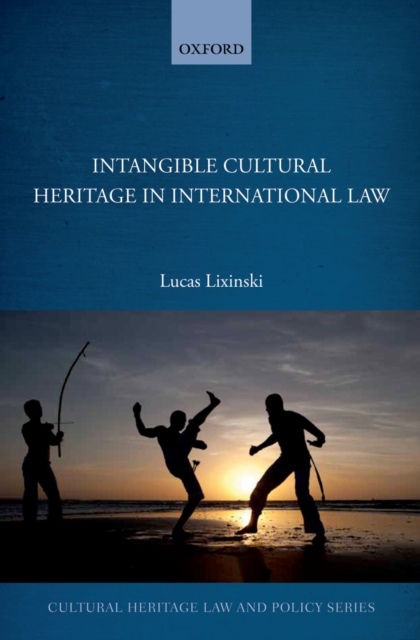
This book offers a comprehensive analysis of the legal issues around intangible cultural heritage (also known as traditional cultural expressions or folklore).
This book offers a comprehensive analysis of the legal issues around intangible cultural heritage (also known as traditional cultural expressions or folklore).
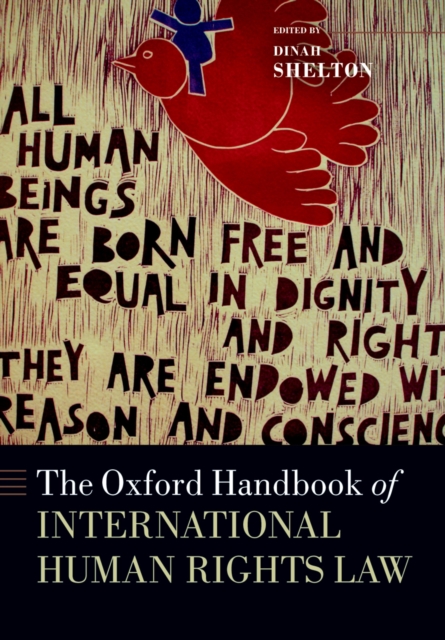
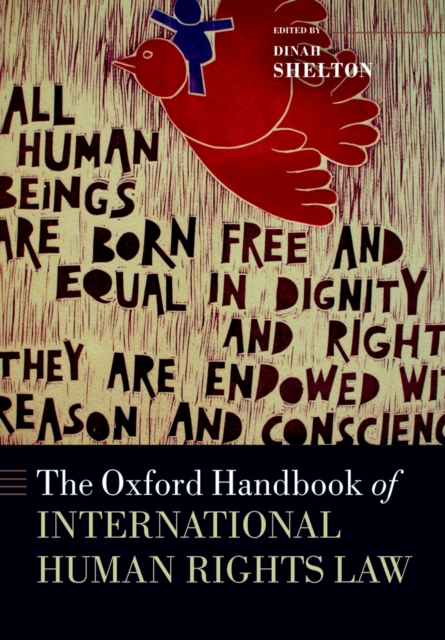
The Oxford Handbook of International Human Rights Law provides a comprehensive and original overview of one of the fundamental topics within international law.
The Convention on the Elimination of All Forms of Racial Discrimination is the centrepiece of international efforts to address racial discrimination, defined in broad terms to include discrimination based on skin colour, descent, ethnic, and national origin.
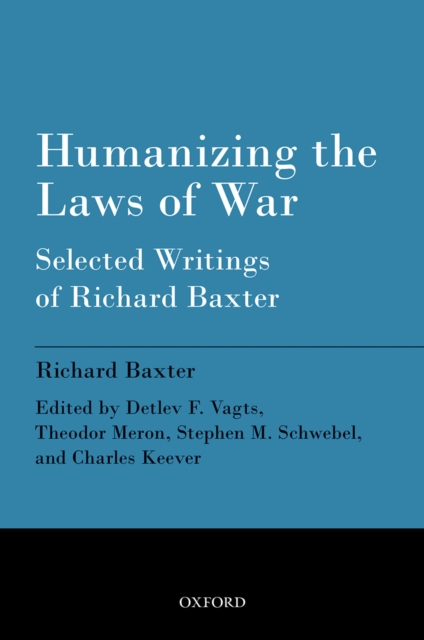
This book celebrates the scholarship of Richard Baxter, former Judge of the International Court of Justice and former Professor of International Law at Harvard Law School.
The Oxford Handbook of International Human Rights Law provides a comprehensive and original overview of one of the fundamental topics within international law.
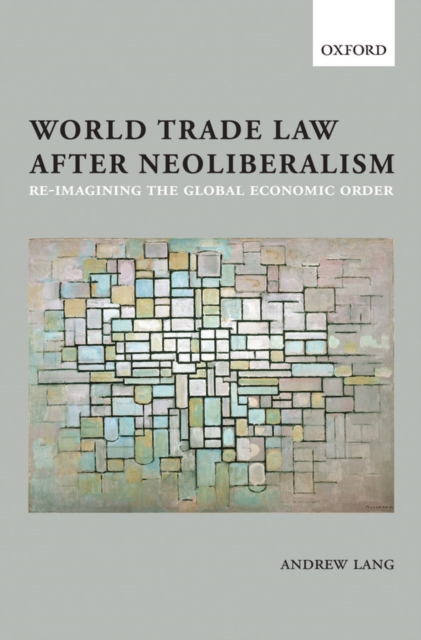
The rise of economic liberalism in the latter stages of the 20th century coincided with a fundamental transformation of international economic governance, especially through the law of the World Trade Organization.
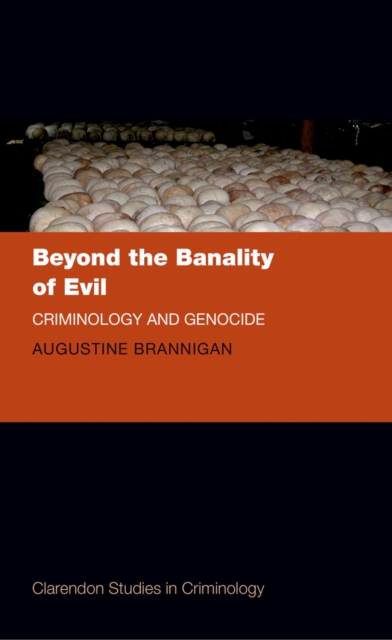
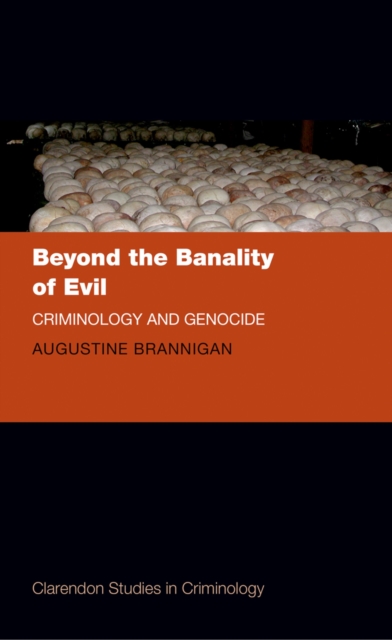
Positioning itself within significant developments in genocide studies arising from misgivings about two noteworthy observers, Arendt and Milgram, this book asks what lies 'beyond the banality of evil'?
Positioning itself within significant developments in genocide studies arising from misgivings about two noteworthy observers, Arendt and Milgram, this book asks what lies 'beyond the banality of evil'?
The rise of economic liberalism in the latter stages of the 20th century coincided with a fundamental transformation of international economic governance, especially through the law of the World Trade Organization.
The rights of indigenous peoples under international law have seen significant change in recent years, as various international bodies have attempted to address the question of how best to protect and enforce their rights.
The rights of indigenous peoples under international law have seen significant change in recent years, as various international bodies have attempted to address the question of how best to protect and enforce their rights.
The Council of Europe, of which all European States are members, plays a pivotal role in the promotion and protection of human rights, democracy, and the rule of law in Europe.
The Council of Europe, of which all European States are members, plays a pivotal role in the promotion and protection of human rights, democracy, and the rule of law in Europe.
Now in its third edition, this book is the authoritative text on one of the world's most important human rights treaties, the International Covenant on Civil and Political Rights.
Now in its third edition, this book is the authoritative text on one of the world's most important human rights treaties, the International Covenant on Civil and Political Rights.
This book examines how the United Nations Security Council, in exercising its power to impose binding non-forcible measures ('sanctions') under Article 41 of the UN Charter, may violate international law.
This book examines how the United Nations Security Council, in exercising its power to impose binding non-forcible measures ('sanctions') under Article 41 of the UN Charter, may violate international law.
International Migration Law provides a detailed and comprehensive overview of the international legal framework applicable to the movement of persons across borders.
International Migration Law provides a detailed and comprehensive overview of the international legal framework applicable to the movement of persons across borders.