This book explores the complex issue of building a common European identity and the factors that contribute to it, with special regard to the role played by the interaction between national Constitutional Courts and European Courts.
This book analyses the current debates within food system governance, covering different aspects of food systems (from production to consumption) as well as different fields of law (from human rights law to environmental law).
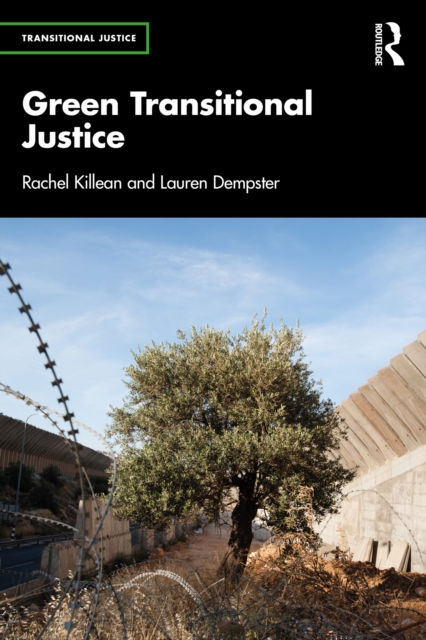
This book rethinks the boundaries of transitional justice, urging scholars and practitioners to confront the often-overlooked nexus between mass violence and ecological harm.
Changing Abortion Laws in Mexico Through Advocacy and Human Rights presents the recent evolution of abortion laws in Mexico (2007-2021) and how advocates have shaped them through human rights discourses, challenging social norms.
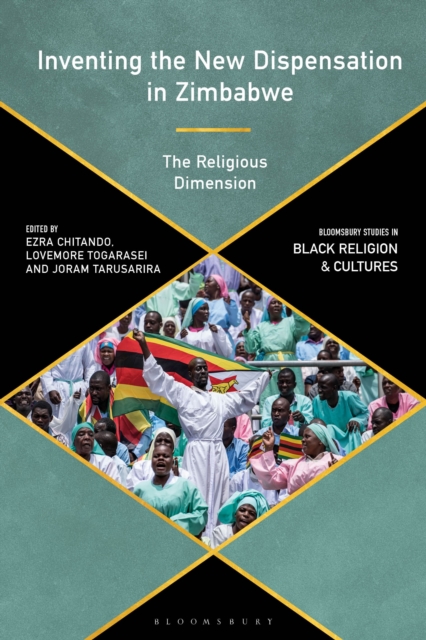
How does a regime, whose members have been actively involved in the previous one, appropriate and deploy religious ideas and rhetoric to cast itself as 'born-again' and attractive?
Most countries on the African continent have ratified or acceded to several human rights treaties, including the Torture Convention and the African Charter on Human and People's Rights.
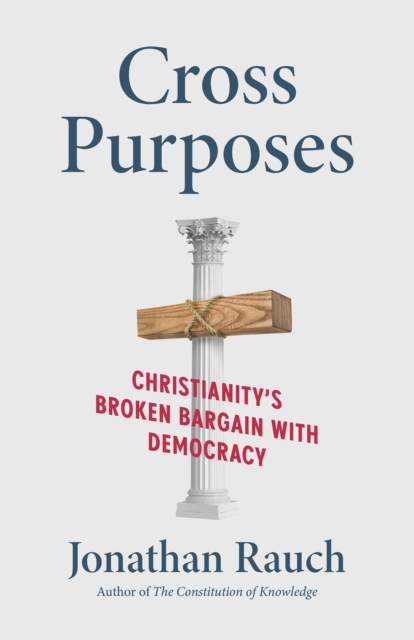
Why the crisis of Christianity has become a crisis for democracy What happens to American democracy if Christianity is no longer able, or no longer willing, to perform the functions on which our constitutional order depends?
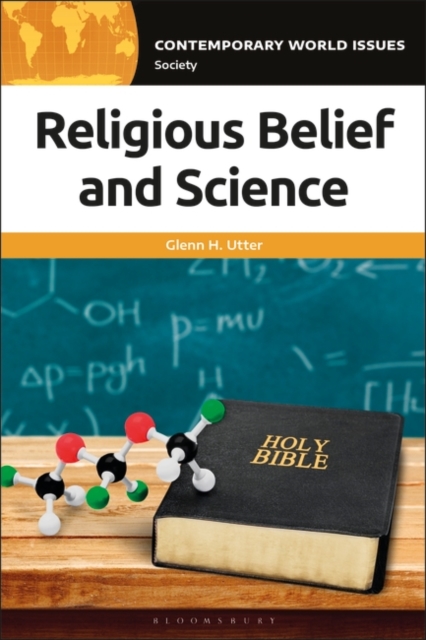
This resource helps readers navigate and better understand the religious, cultural, and political impact of American views of religious faith and scientific inquiry.
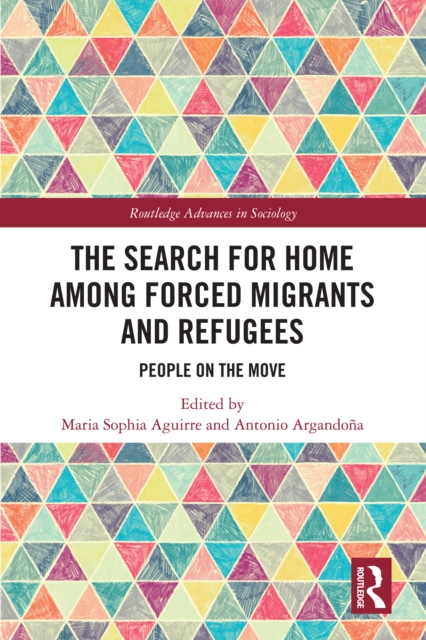
This book explores the role of "e;home"e; in the lives of displaced people, including voluntary and forced migrants, refugees, asylum seekers, internally displaced people and temporary workers.
Despite decades spent confronting human rights violations around the world, particularly in regions of instability, the issue remains one of the most divisive, chaotic, and challenging to address.
Drawing on the author's years spent working in and around Westminster, this essay collection provides a personal perspective on the themes of faith, politics, and belonging.
¿Por qué y cómo surgió en la historia moderna la voluntad de perseguir a los responsables del inicio de un conflicto bélico y de las atrocidades subsiguientes?
This book makes a new and original contribution to the old debate about differences between socio-economic and civil and political rights, which has engaged human rights discourse over several decades.
Given ongoing worldwide calamities such as famine, natural disasters, and drug abuse, international attention has increasingly focused upon disease detection, prevention, containment, and treatment.
This book examines the relationship between International Environmental Law and Human Rights Law regarding the protection of the environment in times of occupation.
On both Mediterranean shores, women's agency is articulated by new social and legal actors that face the religious factor both as an asset and as a brake.