Este libro recoge un discurso en Harvard sobre lo mas caracteristico del oficio intelectual, y una conferencia en la Universidad de Marquette, donde el autor argumenta sobre la importancia de la historia del pensamiento en la ensenanza general de la filosofia.
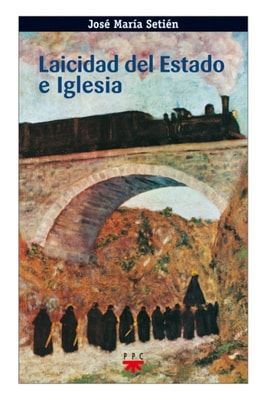
El campo de las relaciones político-sociales existentes entre el hecho político y el hecho religioso ha estado marcado, a lo largo de la historia, por un tono de manifiesta o latente problematicidad.
Dice el autor en el prólogo, de la mano de Ramón Pérez de Ayala, que no pocos creyentes nos comportamos hoy en la sociedad como el público en los toros: vemos lo que pasa; algunas veces aplaudimos, aunque por lo general criticamos; y nunca movemos un dedo para mejorar lo que criticamos.
La importancia del Derecho Internacional de los Derechos Humanos y de la integración del mismo, dentro del Derecho interno de los diversos Estados, como derecho aplicable, le ha conferido un carácter constitucional o supraconstitucional.
La capacidad de adaptación del ser humano a las adversidades, es una de las características importantes que posee, esto es imprescindible para que quien comete delito, pueda sobreponerse mediante la readaptación y reinserción social.
"Reinserción y prisión" nace en el marco del Proyecto de Investigación "La reforma penitenciaria: necesidades del sistema y modelo de ejecución penal" (PGC2018-096093-B-100), cuyo investigador principal es el Catedrático de Derecho Penal de la Universidad de Valladolid el Dr.
This new edition of David Forsythe's successful textbook provides an authoritative overview of the place of human rights in international politics in an age of terrorism.
Embodied Pedagogies in the Study of Religion provides a forum for creative, renowned teachers (professors and instructors) of religion to discuss ways in which they think about the embodied dimension of teaching and learning specific to their areas of expertise and how they have shaped their curriculum to engage and reflect their thinking.
Putting forward a new approach to the study of corrections, this book draws together public health and corrections and explores the importance of this nexus.
Intentar definir lo esencial y específico de la realidad humana es el objetivo de la Antropología filosófica, objetivo que se nos presenta cada vez más problemático, a medida que las diferentes ciencias de lo humano nos hacen tomar conciencia de nuestra radical complejidad y problematicidad.
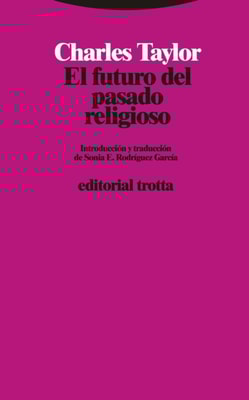
Este libro recoge el ensayo «El futuro del pasado religioso» junto con otros trabajos en los que Charles Taylor profundiza en las tesis más relevantes de su obra «La era secular», lo que permite una aproximación directa y sistemática a su filosofía de la religión.
Cuando Jorge Mario Bergoglio se convierte en el papa Francisco en 2013, el legado eclesial al que se enfrenta no es solo el de los escándalos del clero y la corrupción de la moral.
En 1964 y 1965, José Jiménez Lozano ejerció de corresponsal en Roma del periódico El Norte de Castilla y del semanario Destino para cubrir el Concilio Vaticano II.
Cuando Jorge Mario Bergoglio se convierte en el papa Francisco en 2013, el legado eclesial al que se enfrenta no es solo el de los escándalos del clero y la corrupción de la moral.
En 1964 y 1965, José Jiménez Lozano ejerció de corresponsal en Roma del periódico El Norte de Castilla y del semanario Destino para cubrir el Concilio Vaticano II.
This essential text introduces criminal justice students to the topics of stress and wellness in personal and professional pursuits and provides them with the tools they will need to identify the signs of stress in their own lives and the lives of others.
This carefully crafted ebook: "e;THE KINGDOM OF GOD IS WITHIN YOU (One of the Most Influential Books on Nonviolent Resistance, Christianity & Inner Fate)"e; is formatted for your eReader with a functional and detailed table of contents.
La obra busca comprender la configuración de las ciudadanías y de la participación política en las siguientes iglesias: Iglesia Carismática Internacional, Iglesia de Dios Ministerial de Jesucristo Internacional, Comunidad Cristiana Pantokrator y Movimiento Político Colombia Justa Libres.
En 25 años de vida institucional, el Tribunal Constitucional ha tenido importantes aportes, pero también ha generado debates y críticas con sus decisiones.
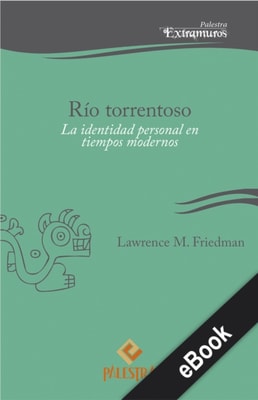
El autor centra su ensayo en la reconstrucción de la identidad personal en los últimos tiempos, o para ser más precisos, en el siglo XIX y más allá— la identidad personal, se volvió más problemática, más confusa; mezclada y borrosa.
En el presente libro se realiza una presentación de los derechos fundamentales que reconoce y garantiza nuestra Constitución Política del Estado de 1993.
¿Cómo se relacionan entre sí las diferentes formas en que se ha institucionalizado la protección de los derechos humanos, la economía, la democracia y el efectivo ejercicio de los derechos?
Las políticas públicas con enfoque de derechos humanos son las acciones del Estado orientadas a la prevención, protección y garantía de todos y cada uno de los derechos, que de manera explícita se diseñan e implementan para cumplir con obligaciones nacionales e internacionales del Estado en cada una de las materias que son de su competencia.
This book discusses the legal responsibility of UN peacekeepers for the protection of civilians under international legal regimes, particularly international human rights law, international humanitarian law, international refugee law, and occupation law.
This collection investigates the conflictual relationship between the Islamic world and Western civilization, looking at its history as key to understanding its present.
Goethes Weltanschauung Rudolf Steiner - Will man Goethes Weltanschauung verstehen, so darf man sich nicht damit begnügen, hinzuhorchen, was er selbst in einzelnen Aussprüchen über sie sagt.
Candida: Ein Mysterium in drei Akten Bernard Shaw - Candida, eine Komödie des Dramatikers George Bernard Shaw, wurde 1894 geschrieben und erstmals 1898 als Teil seiner Plays Pleasant veröffentlicht.
Die Philosophie der Freiheit: Grundzüge einer modernen Weltanschauung Rudolf Steiner - In seinem philosophischen Hauptwerk, das zugleich Fundament der anthroposophischen Geisteswissenschaft ist, setzt sich Rudolf Steiner mit Grundfragen des Erkenntnisprozesses und der Ethik auseinander.
This book discusses contemporary standards of legal safeguards in the area of bulk electronic surveillance from the perspective of the European legal model.