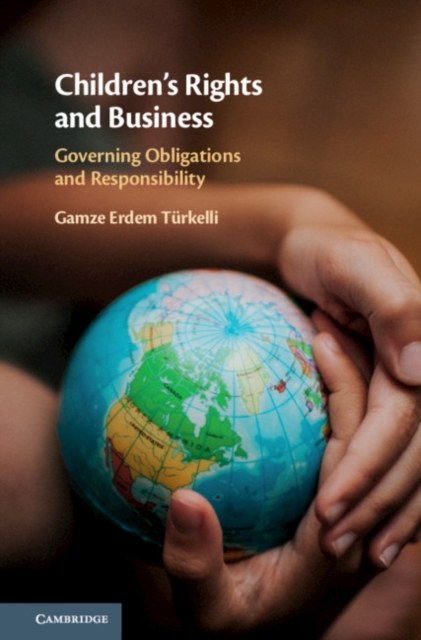
Explores criteria determining the international responsibility of member states for failure to protect human rights in international financial institutions.
Explores criteria determining the international responsibility of member states for failure to protect human rights in international financial institutions.
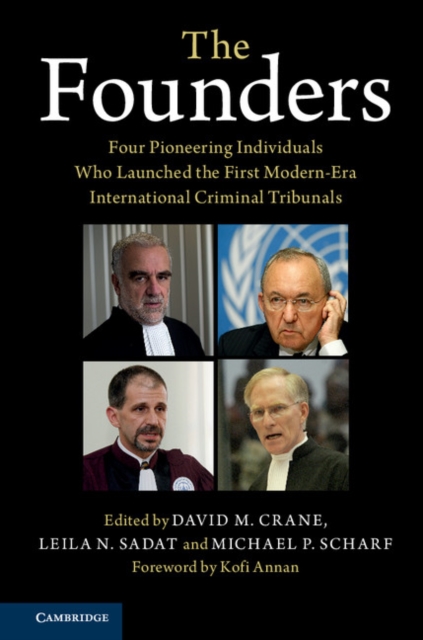
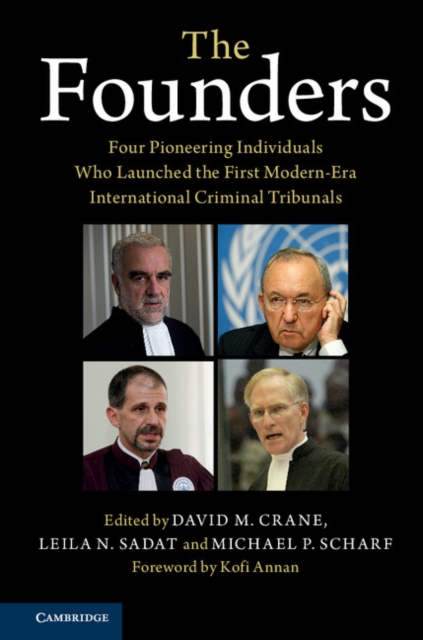
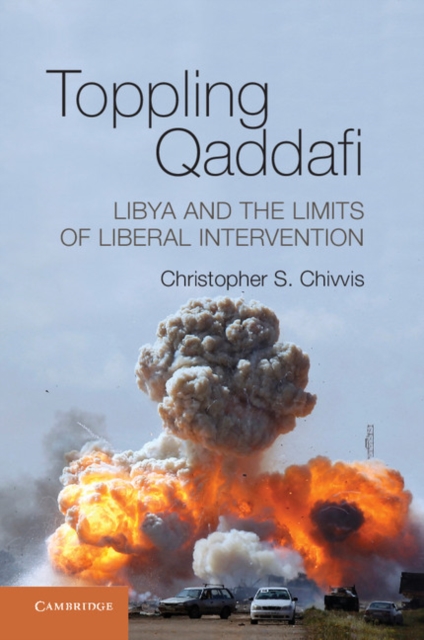
Provides case studies of the intersection of diplomacy and transitional judicial processes during humanitarian crises in Rwanda, Bosnia, Kosovo, Darfur, and Libya.
Provides case studies of the intersection of diplomacy and transitional judicial processes during humanitarian crises in Rwanda, Bosnia, Kosovo, Darfur, and Libya.
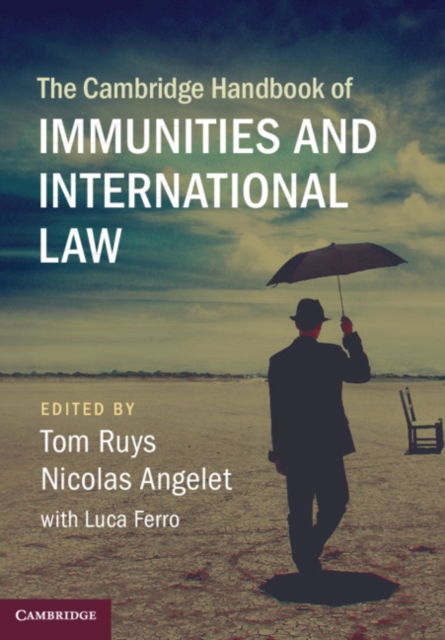
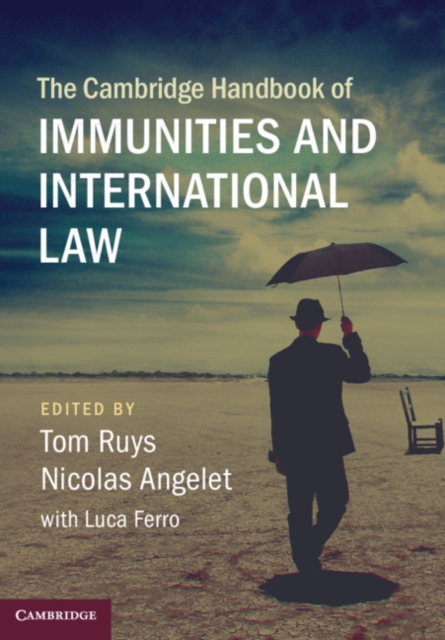
The first comprehensive overview of international immunity law, offering an essential work of reference for scholars, practitioners and legal advisors.
The first comprehensive overview of international immunity law, offering an essential work of reference for scholars, practitioners and legal advisors.
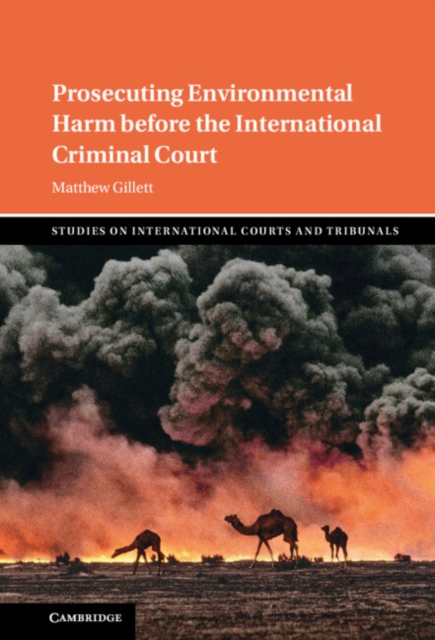
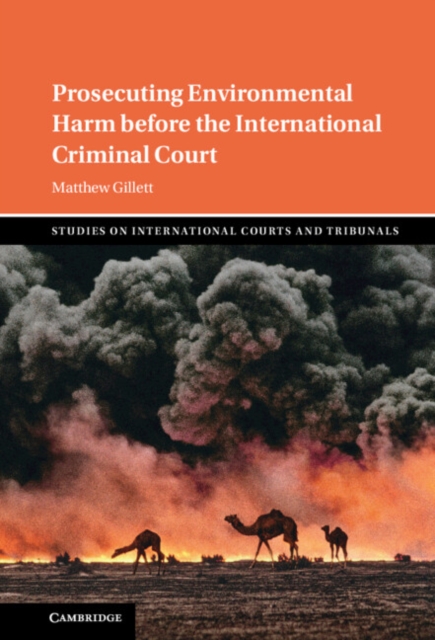
A novel and ground-breaking analysis of the prosecution of environmental harm before the International Criminal Court, addressing both the substance and procedure.
A novel and ground-breaking analysis of the prosecution of environmental harm before the International Criminal Court, addressing both the substance and procedure.
The principle of solidarity is particularly important now because it is in juxtaposition to some current self-centered trends in politics: the crises that have upset the world in recent years, such as migrations, hegemonic aspirations, pandemics, and wars, have made self-evident the inadequacy of such selfish politics.
The principle of solidarity is particularly important now because it is in juxtaposition to some current self-centered trends in politics: the crises that have upset the world in recent years, such as migrations, hegemonic aspirations, pandemics, and wars, have made self-evident the inadequacy of such selfish politics.
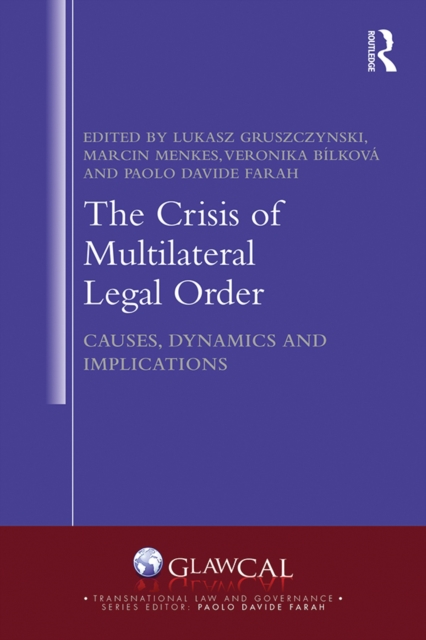
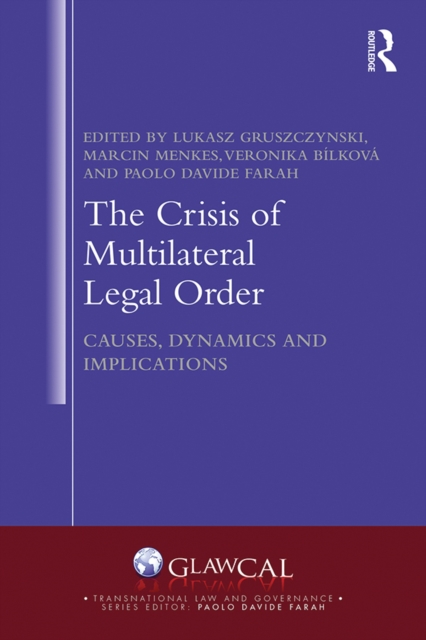
This book addresses the current crisis that threatens the rule of law and has led to the need for its adjustment as normative concept, legal principle and pragmatic guideline for the behaviour of political players.
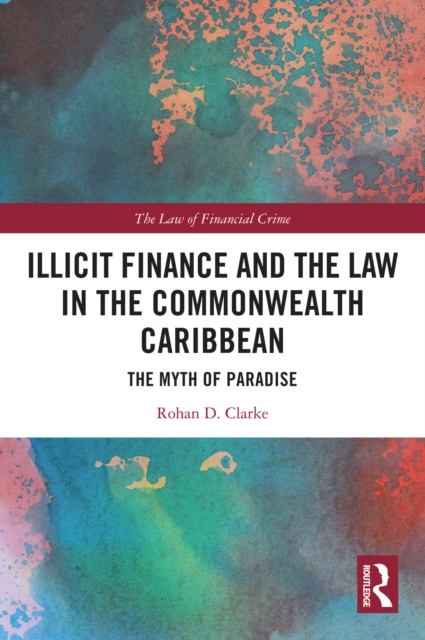
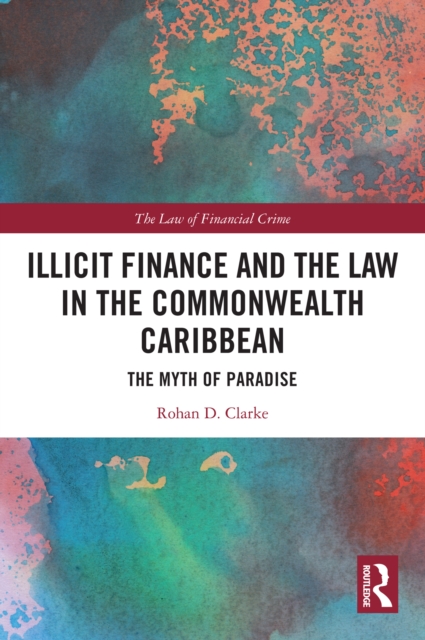
This book provokes fresh ways of thinking about small developing States within the transnational legal order for combating money laundering and the financing of terrorism and proliferation (TAMLO).
This book provokes fresh ways of thinking about small developing States within the transnational legal order for combating money laundering and the financing of terrorism and proliferation (TAMLO).
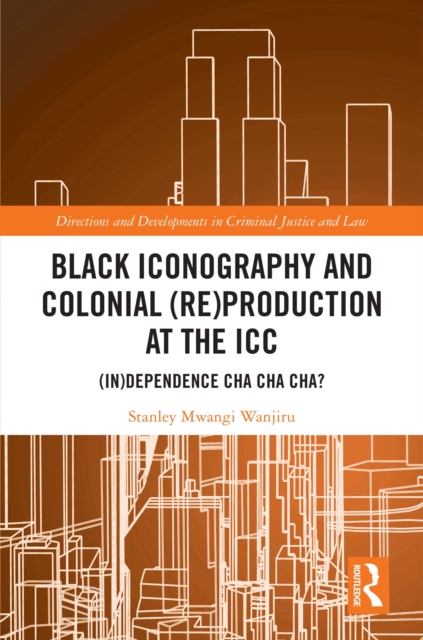
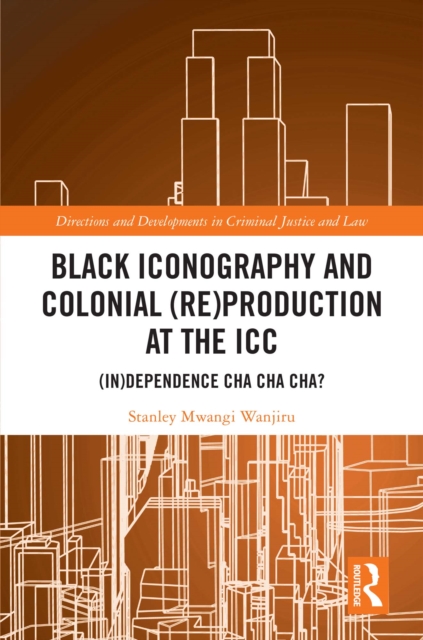
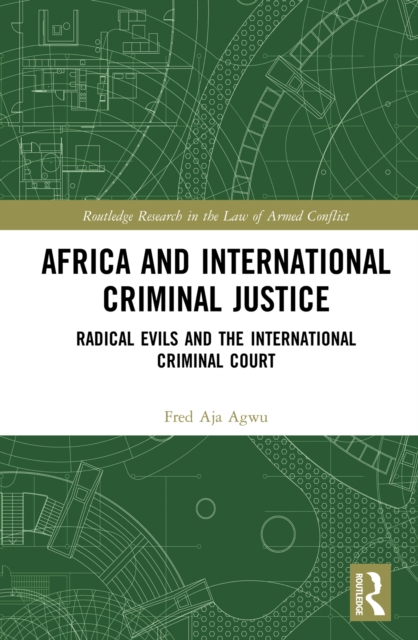
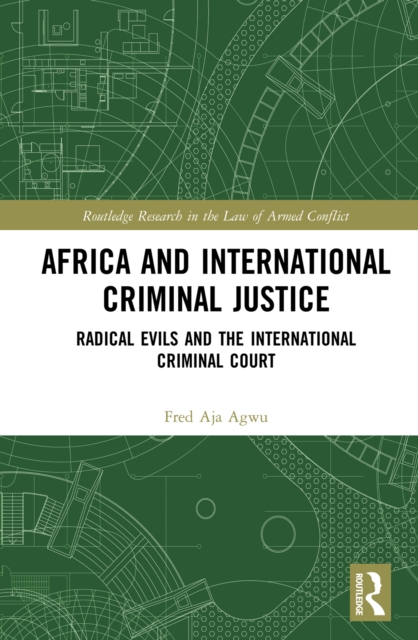
This book explores the reproduction of colonialism at the International Criminal Court (ICC) and examines international criminal law (ICL) vs the black body through an immersive format of art, music, poetry, and architecture and post-colonial/critical race theory lens.
This book explores the reproduction of colonialism at the International Criminal Court (ICC) and examines international criminal law (ICL) vs the black body through an immersive format of art, music, poetry, and architecture and post-colonial/critical race theory lens.
Offering a fresh view on the EU constitutionalisation process, the new edition of The Tangled Complexity of the EU Constitutional Process presents three main points: the idea of constitutional complexity, the tension between constitutional evolutionism and constitutional constructivism in the process of European integration, and the functional nature of conflicts in the evolution of the EU.
Offering a fresh view on the EU constitutionalisation process, the new edition of The Tangled Complexity of the EU Constitutional Process presents three main points: the idea of constitutional complexity, the tension between constitutional evolutionism and constitutional constructivism in the process of European integration, and the functional nature of conflicts in the evolution of the EU.
The majority of rules adopted at the EU level are not issued by democratically elected institutions, but rather by administrative bodies which are empowered to exercise rule-making powers by legislative acts.
The majority of rules adopted at the EU level are not issued by democratically elected institutions, but rather by administrative bodies which are empowered to exercise rule-making powers by legislative acts.