An innovative, interdisciplinary and far-reaching examination of the actual reality of international courts, International Court Authority challenges fundamental preconceptions about when, why, and how international courts become important and authoritative actors in national, regional, and international politics.
An innovative, interdisciplinary and far-reaching examination of the actual reality of international courts, International Court Authority challenges fundamental preconceptions about when, why, and how international courts become important and authoritative actors in national, regional, and international politics.
Interactions between state, international, transnational, and intra-state law involve overlapping, and sometimes conflicting, claims to legitimate authority.
Interactions between state, international, transnational, and intra-state law involve overlapping, and sometimes conflicting, claims to legitimate authority.
This book presents new material and shines fresh light on the under-explored historical and legal evidence about the use of the doctrine of discovery in Australia, Canada, New Zealand and the United States.
This book presents new material and shines fresh light on the under-explored historical and legal evidence about the use of the doctrine of discovery in Australia, Canada, New Zealand and the United States.
Statehood in the early 21st century remains as much a central problem as it was in 1979 when the first edition of The Creation of States in International Law was published.
Statehood in the early 21st century remains as much a central problem as it was in 1979 when the first edition of The Creation of States in International Law was published.
This three-volume Manual on International Maritime Law presents a systematic analysis of the history and contemporary development of international maritime law by leading contributors from across the world.
This three-volume Manual on International Maritime Law presents a systematic analysis of the history and contemporary development of international maritime law by leading contributors from across the world.
This three-volume Manual on International Maritime Law presents a systematic analysis of the history and contemporary development of international maritime law by leading contributors from across the world.
This three-volume Manual on International Maritime Law presents a systematic analysis of the history and contemporary development of international maritime law by leading contributors from across the world.
Under the United Nations Law of the Sea Convention, States have sovereign rights over the resources of their continental shelf out to 200 nautical miles from the coast.
Under the United Nations Law of the Sea Convention, States have sovereign rights over the resources of their continental shelf out to 200 nautical miles from the coast.
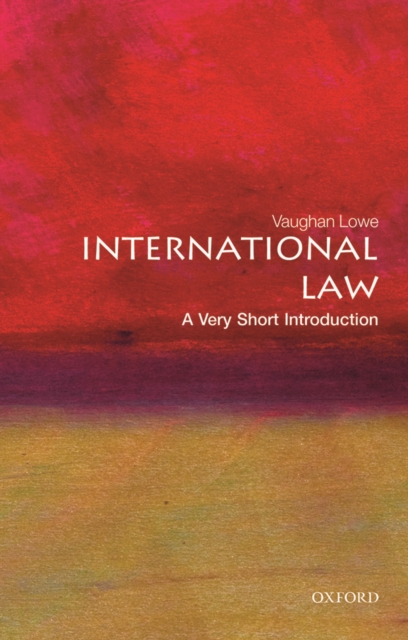
Interest in international law has increased greatly over the past decade, largely because of its central place in discussions such as the Iraq War and Guantanamo, the World Trade Organisation, the anti-capitalist movement, the Kyoto Convention on climate change, and the apparent failure of the international system to deal with the situations in Palestine and Darfur, and the plights of refugees and illegal immigrants around the world.
This book investigates the historical economic and legal regimes that legitimated the resource extraction and exploitation of Africa between the 15th and 19th centuries and led to the continent's trajectory of underdevelopment in the world system.