This latest volume in the Penal Theory and Penal Ethics series addresses one of the oldestquestions in the field of criminal sentencing: should an offender's previous convictions affect the sentence?
This is the first volume of a projected four-volume series charting the causes of war from 3000 BCE to the present day, written by a leading international lawyer, and using as its principal materials the documentary history of international law largely in the form of treaties and the negotiations which led up to them.
Of the many challenges that society faces today, possibly none is more acute than the security of ordinary citizens when faced with a variety of natural or man-made disasters arising from climate and geological catastrophes, including the depletion of natural resources, environmental degradation, food shortages, terrorism, breaches of personal security and human security, or even the global economic crisis.
Of the many challenges that society faces today, possibly none is more acute than the security of ordinary citizens when faced with a variety of natural or man-made disasters arising from climate and geological catastrophes, including the depletion of natural resources, environmental degradation, food shortages, terrorism, breaches of personal security and human security, or even the global economic crisis.
This book offers a systematic study of the interpretation of investment-related treaties primarily bilateral investment treaties, the Energy Charter Treaty, Chapter XI NAFTA as well as relevant parts of Free Trade Agreements.
This book offers a systematic study of the interpretation of investment-related treaties primarily bilateral investment treaties, the Energy Charter Treaty, Chapter XI NAFTA as well as relevant parts of Free Trade Agreements.
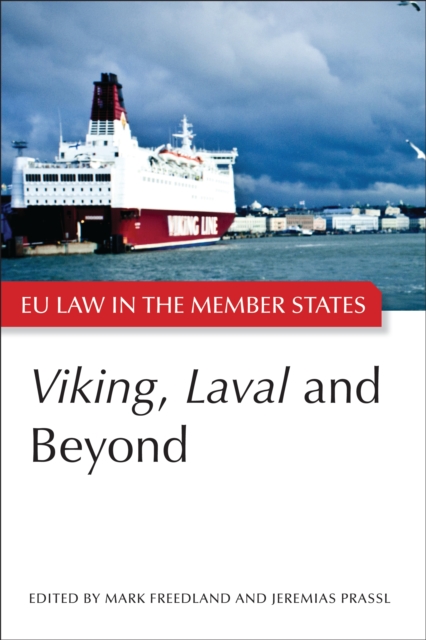
EU Law in the Member States is a new series dedicated to exploring the impact of landmark CJEU judgments and secondary legislation in legal systems across the European Union.
EU Law in the Member States is a new series dedicated to exploring the impact of landmark CJEU judgments and secondary legislation in legal systems across the European Union.
This book contains a collection of articles on different aspects of EU law written by one of Europe's most distinguished jurists during the past twenty years, some of which appear here for the first time in English.
This book contains a collection of articles on different aspects of EU law written by one of Europe's most distinguished jurists during the past twenty years, some of which appear here for the first time in English.
Law has become the vehicle by which countries in the 'developing world', including post-conflict states or states undergoing constitutional transformation, must steer the course of social and economic, legal and political change.
Law has become the vehicle by which countries in the 'developing world', including post-conflict states or states undergoing constitutional transformation, must steer the course of social and economic, legal and political change.
Adequate and fair asylum procedures are a precondition for the effective exercise of rights granted to asylum applicants, in particular the prohibition of refoulement.
Adequate and fair asylum procedures are a precondition for the effective exercise of rights granted to asylum applicants, in particular the prohibition of refoulement.
'Statelessness' is a legal status denoting lack of any nationality, a status whereby the otherwise normal link between an individual and a state is absent.
'Statelessness' is a legal status denoting lack of any nationality, a status whereby the otherwise normal link between an individual and a state is absent.
Increasingly, European states are using policy on the reception of asylum seekers as an instrument of immigration control, eg by deterring the lodging of asylum applications, preventing integration into their societies and exercising a large degree of control over asylum seekers in order to facilitate expulsion.
Increasingly, European states are using policy on the reception of asylum seekers as an instrument of immigration control, eg by deterring the lodging of asylum applications, preventing integration into their societies and exercising a large degree of control over asylum seekers in order to facilitate expulsion.
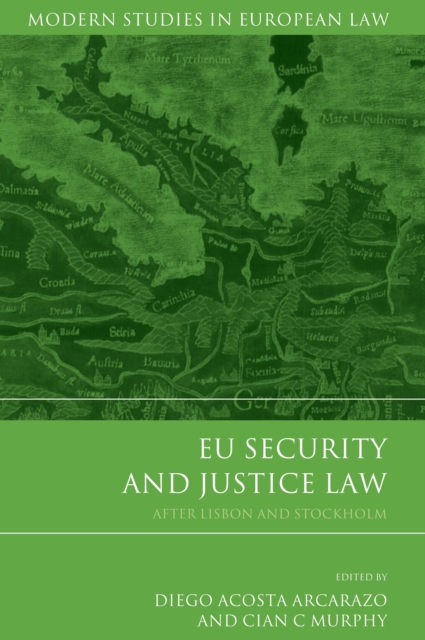
The coming into force of the Lisbon Treaty has provided the EU with new powers in the fields of criminal law and security law while reinforcing existing powers in immigration and asylum law.
The coming into force of the Lisbon Treaty has provided the EU with new powers in the fields of criminal law and security law while reinforcing existing powers in immigration and asylum law.
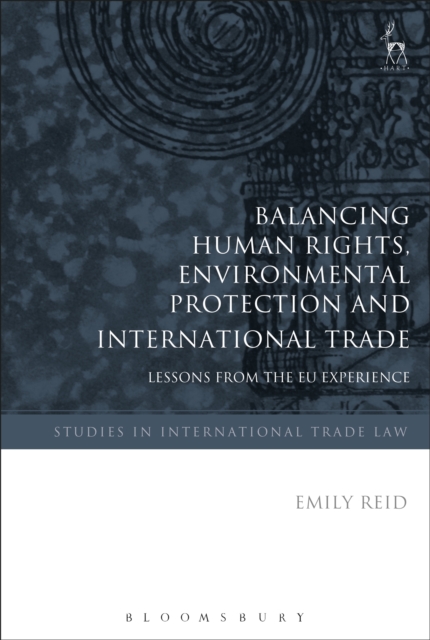
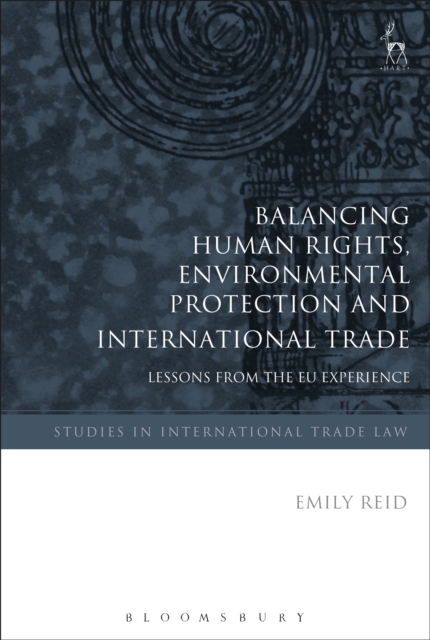
This book explores the means by which economic liberalisation can be reconciled with human rights and environmental protection in the regulation of international trade.
This book explores the means by which economic liberalisation can be reconciled with human rights and environmental protection in the regulation of international trade.
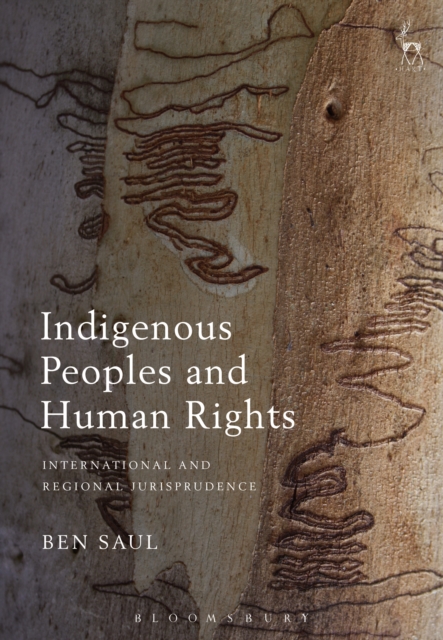
Indigenous Peoples and Human Rights explores how general human rights standards have enabled, empowered and constrained indigenous peoples in claiming and defending their essential economic, social, cultural, civil and political interests.
Indigenous Peoples and Human Rights explores how general human rights standards have enabled, empowered and constrained indigenous peoples in claiming and defending their essential economic, social, cultural, civil and political interests.
This is the fifth edition of the leading work on transnational and comparative commercial and financial law, covering a wide range of complex topics in the modern law of international commerce, finance and trade.
This is the first volume of a projected four-volume series charting the causes of war from 3000 BCE to the present day, written by a leading international lawyer, and using as its principal materials the documentary history of international law largely in the form of treaties and the negotiations which led up to them.
This book argues that since the end of the Cold War an international community of liberal states has crystallised within the broader international society of sovereign states.
This book argues that since the end of the Cold War an international community of liberal states has crystallised within the broader international society of sovereign states.