As technology continues to reshape global industries, the maritime sector faces profound changes with the emergence of Maritime Autonomous Surface Ships (MASS).
Cogan and contributors explore critical political, cultural, and structural challenges facing Indo-Pacific diaspora communities through seven unique contexts, illuminating how these populations confront transnational repression and organizational fragmentation while rebuilding lives abroad.
This book investigates three key frameworks applicable to the protection of asylum seekers and refugees: the Charter of the United Nations, the Convention Relating to the Status of Refugees, and the Responsibility to Protect doctrine.
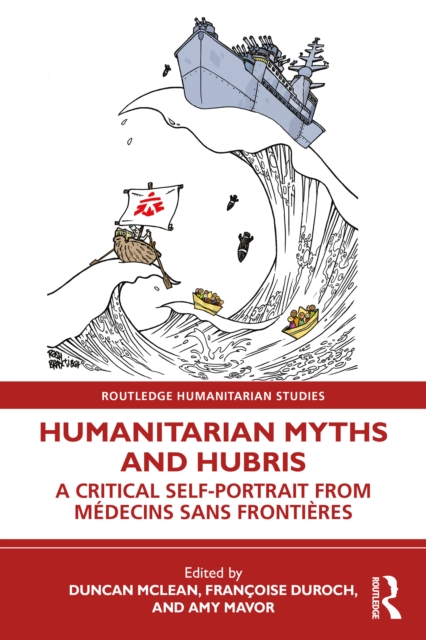
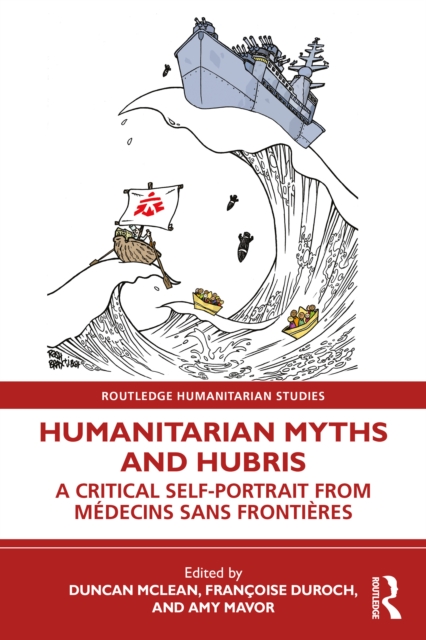
This collective work offers a critical analysis of contemporary humanitarian action, through the prism of Medecins Sans Frontieres/Doctors Without Borders (MSF).
Cogan and contributors explore critical political, cultural, and structural challenges facing Indo-Pacific diaspora communities through seven unique contexts, illuminating how these populations confront transnational repression and organizational fragmentation while rebuilding lives abroad.
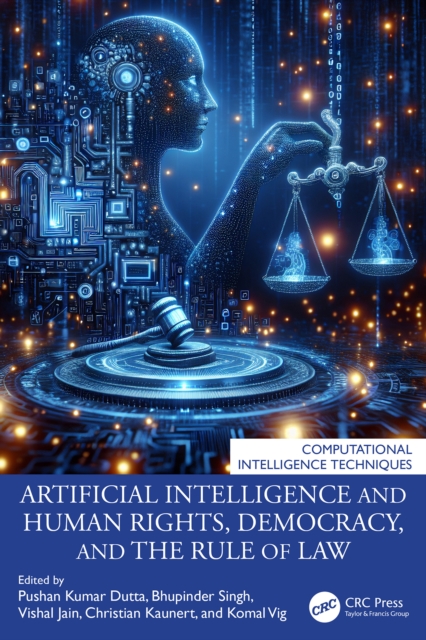
This book introduces a comprehensive model for evaluating the effects of artificial intelligence (AI) on human rights, democracy, and the rule of law and an innovative framework that merges Human Rights Impact Assessments (HRIAs) practices with AI-focused algorithmic impact assessment approaches.
Weaving together first-person narratives of art practice, analytical accounts, and ethnographic research by artists and scholars in art history, theater, new media, music, and anthropology, this volume offers an overview of the wide range of conditions, processes, and motivations for artmaking among asylum seekers in view of Israel's continued legal obfuscation of the refugee status process.
This book investigates three key frameworks applicable to the protection of asylum seekers and refugees: the Charter of the United Nations, the Convention Relating to the Status of Refugees, and the Responsibility to Protect doctrine.
As technology continues to reshape global industries, the maritime sector faces profound changes with the emergence of Maritime Autonomous Surface Ships (MASS).
This collective work offers a critical analysis of contemporary humanitarian action, through the prism of Medecins Sans Frontieres/Doctors Without Borders (MSF).
This book introduces a comprehensive model for evaluating the effects of artificial intelligence (AI) on human rights, democracy, and the rule of law and an innovative framework that merges Human Rights Impact Assessments (HRIAs) practices with AI-focused algorithmic impact assessment approaches.
Die Einführung der Europäischen Aktiengesellschaft (SE) durch den europäischen Gesetzgeber im Jahr 2001 führte zu einer starken Gründungs- und Umwandlungswelle im europäischen Wirtschaftsraum, vor allem in Deutschland.
Die Einführung der Europäischen Aktiengesellschaft (SE) durch den europäischen Gesetzgeber im Jahr 2001 führte zu einer starken Gründungs- und Umwandlungswelle im europäischen Wirtschaftsraum, vor allem in Deutschland.
Das Werk befasst sich mit dem Phänomen "Organisierte Kriminalität" (OK), das neben politisch motivierter Kriminalität und dem Terrorismus ein beherrschendes Thema in der deutschen und europäischen Kriminalpolitik und im öffentlichen Diskurs ist.
Das Werk befasst sich mit dem Phänomen "Organisierte Kriminalität" (OK), das neben politisch motivierter Kriminalität und dem Terrorismus ein beherrschendes Thema in der deutschen und europäischen Kriminalpolitik und im öffentlichen Diskurs ist.
Ausgelöst durch politische Umwälzungen, Kriege und Vertreibungen kamen während der vergangenen 30 Jahre Millionen Menschen – Muslime, Christen und Juden – nach Deutschland.
The Asian Yearbook of International Economic Law (AYIEL) 2024 addresses the rapidly evolving field of international economic law with a special focus on Asia and the Pacific.
The Asian Yearbook of International Economic Law (AYIEL) 2024 addresses the rapidly evolving field of international economic law with a special focus on Asia and the Pacific.
En muchos conflictos armados, y, también, en tiempos de paz, el patrimonio cultural mundial se convierte en blanco de ataques deliberados debido a su importancia para la identidad colectiva de las comunidades.
El desarrollo tecnológico relacionado con la cibernética se produce a tal velocidad, que los operadores de otros ámbitos profesionales y del conocimiento muestran dificultades evidentes para seguir ese frenético ritmo técnico, económico y de impacto social.