Originally published in 1925, written by someone who was associated with the work of the League of Nations from the beginning, this concise book is a clear and short account of the structure, function and tasks of the League of Nations at the start of the Twentieth Century.
This book explores the role of "e;home"e; in the lives of displaced people, including voluntary and forced migrants, refugees, asylum seekers, internally displaced people and temporary workers.
This book elaborates on deontic logic and network theory to present a reductionist theory of the law, disclosing a simple understanding of legal norms based on minimum necessary and sufficient notions.
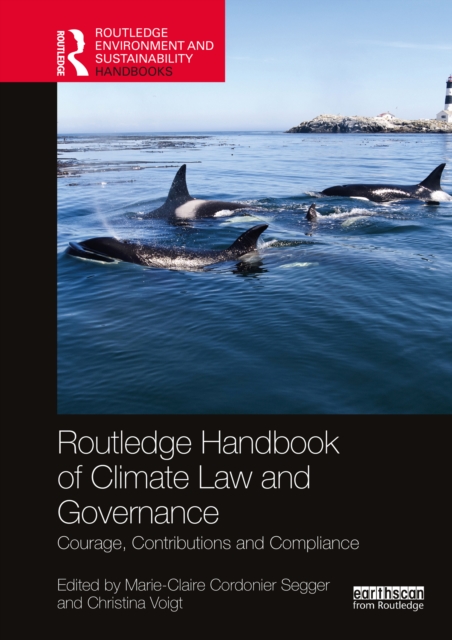
Routledge Handbook of Climate Law and Governance: Courage, Contributions and Compliance recognises calls from the United Nations (UN), the Intergovernmental Panel on Climate Change (IPCC).
Bringing together perspectives from academics, practitioners, campaigners, and activists, this book explores the victimology of disability hate crime (DHC).
Community Justice discusses concepts of community within the context of justice policy and programs and addresses the important relationship between the criminal justice system and the community in the USA.
This book analyses the ways in which Article 9 of the Aarhus Convention enables environmental access to justice in the Balkans, a region at the epicentre of extreme climate change events.
Los Derechos Humanos y el desarrollo estan intrinsecamente vinculados, pues los primeros representan un medio y el objetivo de los procesos de desarrollo.
This book presents an original framework of transnational asylum to inform future cooperation between states on asylum processing and refugee protection.
This book examines Indonesian laws regulating state administration, in other words, the relationship between the Indonesian government and its citizens.
Breaking new ground in criminology, this book reflects on the expansion of outer space endeavours, the new pathways this presents for crime, challenges to Earth-based conceptions of justice, and the ethical issues raised.
Originally published in 1925, written by someone who was associated with the work of the League of Nations from the beginning, this concise book is a clear and short account of the structure, function and tasks of the League of Nations at the start of the Twentieth Century.
This authoritative, balanced, and accessible reference resource provides readers with a wide-ranging survey of capital punishment in America, including its history, its legal and cultural foundations, and racial and economic factors in its application.
This book examines the environmental impact of emissions from ships, setting out the mandatory regulations of MARPOL 73/78 and the Shipboard Energy Efficiency Management Plan, as well as new International Maritime Organization regulations such as MEPC 80.
This book analyses the current debates within food system governance, covering different aspects of food systems (from production to consumption) as well as different fields of law (from human rights law to environmental law).
Changing Abortion Laws in Mexico Through Advocacy and Human Rights presents the recent evolution of abortion laws in Mexico (2007-2021) and how advocates have shaped them through human rights discourses, challenging social norms.
This book examines the evolving geopolitical landscape of the Arctic, focusing on the impact of climate change and the war in Ukraine on regional and international relations from a legal and geopolitical perspective.