FROM THE WINNER OF THE BAILLIE GIFFORD PRIZE and author of EAST WEST STREETTHE INSTANT SUNDAY TIMES BESTSELLER 'Should be read by anyone who cares about justice, humanity and human rights' Elif Shafak'An essential account' Sunday Times'Powerful and persuasive .
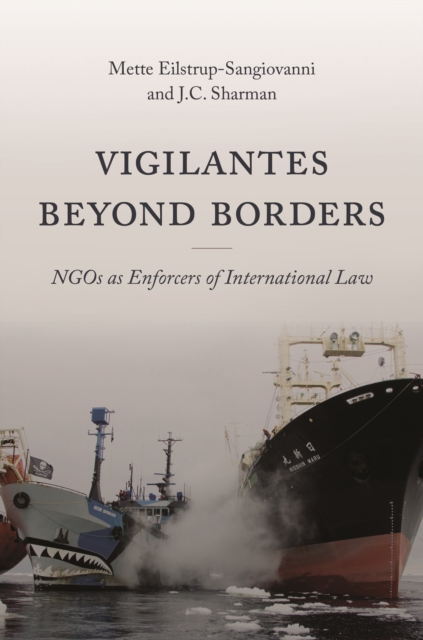
How and why NGOs are increasingly taking independent and direct action in global law enforcement, from human rights to the environment Nongovernmental organizations (NGOs) have generally served as advocates and service providers, leaving enforcement to states.
The Advantage of Other is a practical, personable guide for anyone who has the right intentions around Diversity, Equity and Inclusion, but doesn't have the tools they need to create a long-term, sustainable cultural shift in their company culture.
Esta obra corresponde a la compilación de diversos trabajos de investigación académica que dan cuenta de los debates actuales del Sistema Penal Integral.
Este segundo tomo de la obra de investigacion sobre los debates actuales del Sistema Penal Integral recoge las reflexiones que, sobre el campo penal, se hacen desde perspectivas transdisciplinares relacionadas con las criminologias contemporaneas y la politica criminal actual.
Numerosos precedentes de organismos internacionales, tanto del Sistema Universal de Derechos Humanos como del Sistema Interamericano, indican que la privación de libertad de una persona puede constituir un obstáculo para el goce de sus derechos humanos.
La Unión Europea («UE») es una Unión de Derecho en la que tanto las instituciones de la UE y los Estados miembros como los particulares deben respetar «las reglas del juego», contenidas en los Tratados fundacionales, en la Carta de los Derechos Fundamentales de la UE (la «Carta») y en el Derecho derivado.
El presente libro desarrolla el tratamiento del etiquetado de los alimentos y su relación con los organismos vivos modificados, tanto en Perú como en México, desde el enfoque normativo.
101 Tough Conversations to Have with Employees provides guidance for managers on how to broach uncomfortable conversations across a wide range of issues.
A close look at the evolution of American political alliances in Asia and their futureWhile the American alliance system in Asia has been fundamental to the region's security and prosperity for seven decades, today it encounters challenges from the growth of China-based regional organizations.
Now the subject of the Netflix documentary The Devil Next DoorThe incredible story of the most convoluted legal odyssey involving Nazi war crimesIn 2009, Harper's Magazine sent war-crimes expert Lawrence Douglas to Munich to cover the last chapter of the lengthiest case ever to arise from the Holocaust: the trial of eighty-nine-year-old John Demjanjuk.
In the last six decades, one of the most striking developments in international law is the emergence of a massive body of legal norms and procedures aimed at protecting human rights.
The Evolution of the Trade Regime offers a comprehensive political-economic history of the development of the world's multilateral trade institutions, the General Agreement on Tariffs and Trade (GATT) and its successor, the World Trade Organization (WTO).
A provocative reassessment of the rule of law in world politicsConventionally understood as a set of limits on state behavior, the "e;rule of law"e; in world politics is widely assumed to serve as a progressive contribution to a just, stable, and predictable world.
An expose of fragmented trading platforms, poor governance, and exploitative practices in today's capital marketsCapital markets have undergone a dramatic transformation in the past two decades.
This useful resource reveals five core principles and presents corresponding, specific strategies for overcoming communications barriers and connecting effectively with anyone, regardless of professional, generational, ethnic, cultural, or other differences.
La monografía que el lector tiene en sus manos constituye una obra de ineludible referencia que analiza la idoneidad de la autorregulación, en materia de contratación electrónica y publicidad interactiva, estudiando, de manera minuciosa, la aplicación de tal herramienta.
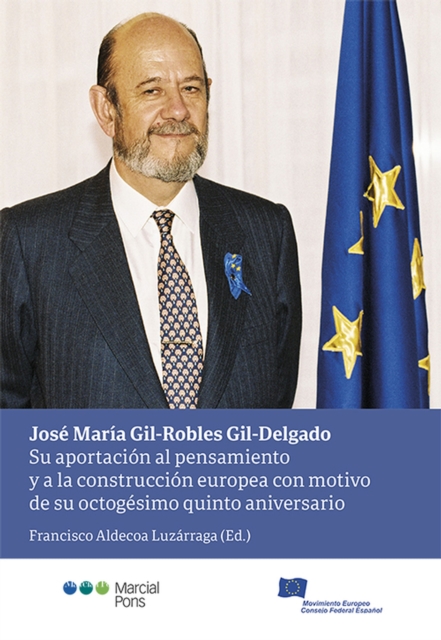
El Movimiento Europeo ha promovido la elaboración de este liber amicorum en honor a José María Gil-Robles Gil-Delgado aprovechando el octogésimo quinto aniversario de su nacimiento, debido a que su vida ha estado vinculada desde su juventud al Movimiento Europeo y ya desde el "Contubernio de Múnich" a través de su padre, y después en la Asociación Española de Cooperación Europea (AECE), y posteriormente, desde que CFEME se traslada a Madrid una vez aprobada la Constitución española, ha estado siempre vinculado al mismo, incluso cuando fue presidente del Parlamento Europeo, donde defendió nuestro proyecto común.
In 'The Pictures of Slavery in Church and State (Complete Edition)' by John Dixon Long, readers are taken on a thought-provoking journey delving into the complex relationship between slavery, religion, and government.
Este libro es una apuesta de diálogo intercultural que tiene como propósito visibilizar la relevancia de los movimientos indígenas y contribuir a develar los alcances sociales, jurídicos, ontológicos y epistémicos de sus luchas en América Latina.
Preferential trading arrangements (PTAs) play an increasingly prominent role in the global political economy, two notable examples being the European Union and the North American Free Trade Agreement.
La presente obra contempla el particular enfoque del autor respecto al origen y tratamiento de los derechos subjetivos y sus garantias, para luego diferenciarlos y compararlos con el sistema de derechos humanos.
Tras la entrada en vigencia de la Carta de las Naciones Unidas, la ciencia jurídica procura que los Estados alcancen un vínculo institucional uniforme en resguardo de los derechos fundamentales del hombre, el valor de la persona humana y la igualdad entre las Naciones grandes y pequeñas.
El presente trabajo pretende exponer y reflexionar sobre una situación crítica, que se pone de manifiesto en el desarrollo de algunos procesos penales en Argentina, en los que el lapso de tiempo existente entre la comisión de los hechos y la sentencia firme, es extremadamente extenso.
Mientras trabajos precedentes se habían focalizado exclusivamente en la trayectoria del Movimiento de Sacerdotes para el Tercer Mundo (MSTM), en este libro Claudia Touris demuestra que la corriente tercermundista en la Argentina fue una red sociorreligiosa más amplia y diversa que se desplegó como una verdadera constelación de actores sociales integrada no solo por los sacerdotes, sino también por religiosas, laicos que pasaron por los ámbitos de sociabilidad católica renovada por el Concilio Vaticano II y otros, como el grupo de Cristianismo y Revolución, que lo conectaron con la vía insurreccional minoritaria en la corriente tercermundista.
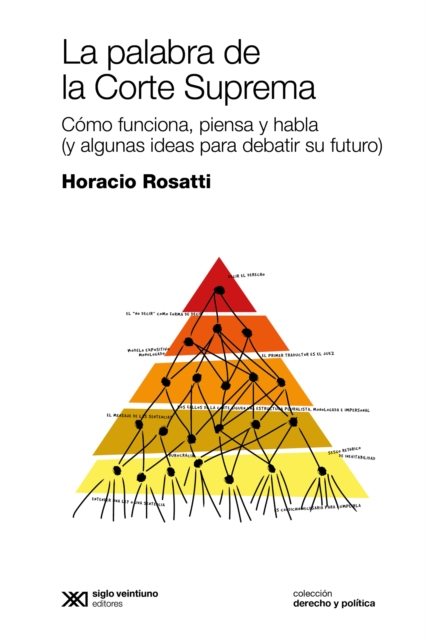
Si todos los tribunales hablan a través de sus sentencias, cuando quien se expresa es la Corte Suprema de Justicia, sus palabras y argumentos resuenan con una fuerza particular: ubicada en la cima de la pirámide organizativa del Poder Judicial, sus fallos son un modelo para el resto de los tribunales y un mensaje para toda la sociedad.
La avanzada evangélica en las arenas partidarias latinoamericanas es uno de los acontecimientos más estudiados en el campo de la sociología de la religión y un evento que suscita hondas polémicas en el espacio amplio de la sociedad civil.
De un tiempo a esta parte, los sistemas jurídicos de América Latina han experimentado enormes transformaciones, como la creación de nuevas prácticas de litigio orientadas al cambio social y la reforma estructural.
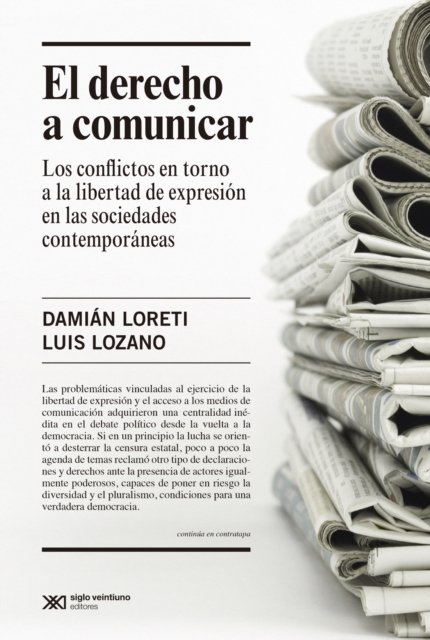
Las problemáticas vinculadas al ejercicio de la libertad de expresión y el acceso a los medios de comunicación adquirieron una centralidad inédita en el debate político desde la vuelta a la democracia.