El cierre del ciclo de publicaciones Criterios del Tribunal Superior de Justicia de Cordoba sobre enfoques diferenciados en la etapa de la ejecucion de la pena corresponde al volumen III, que reune fallos sintetizados y comentarios.
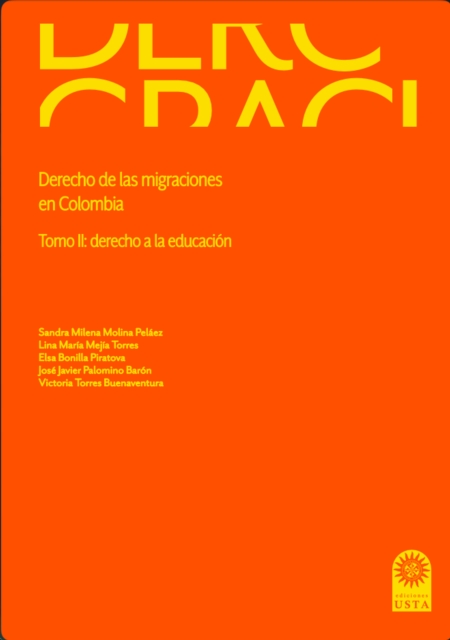
Este tomo de investigacion aborda el derecho fundamental a la educacion para ninos, ninas y adolescentes (NNA) migrantes venezolanos en el contexto colombiano actual.
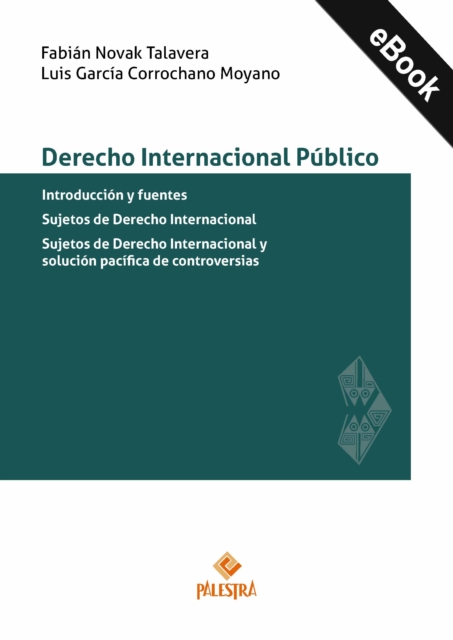
La obra abarca las diversas tematicas que componen el derecho internacional publico contemporaneo, esto es, las fuentes del derecho, los sujetos y la solucion pacifica de controversias.
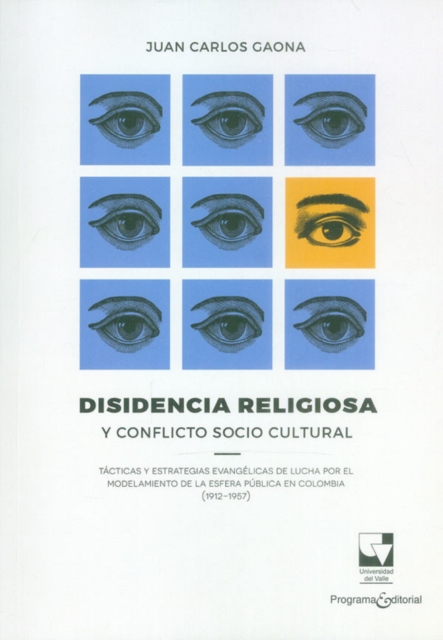
Historia del hecho religioso, historia de la prensa evangelica, historia intelectual del presbiterianismo, historia de la sociabilidad religiosa, este libro da cuenta de las tacticas y estrategias evangelicas para hacerse un lugar en un pais y un periodo caracterizado por la hegemonia del poder letrado.
Se analizan 17 demandas de empresas transnacionales contra el Estado ecuatoriano, basadas en los Tratados Bilaterales de Inversion (TBI) suscritos con Estados Unidos, Canada, Espana, Francia, Bolivia y Argentina.
Frecuentemente, en el escenario judicial, tienen lugar situaciones en las que sobresalen los destiempos de la Justicia respecto a la dinámica emocional de la infancia.
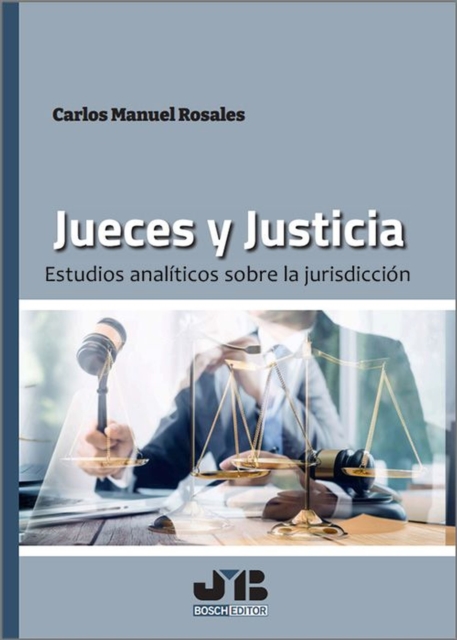
"Los jueces y la justicia son dos de las instituciones públicas por las que se reivindican, garantizan, protegen y avalan los derechos de las personas.
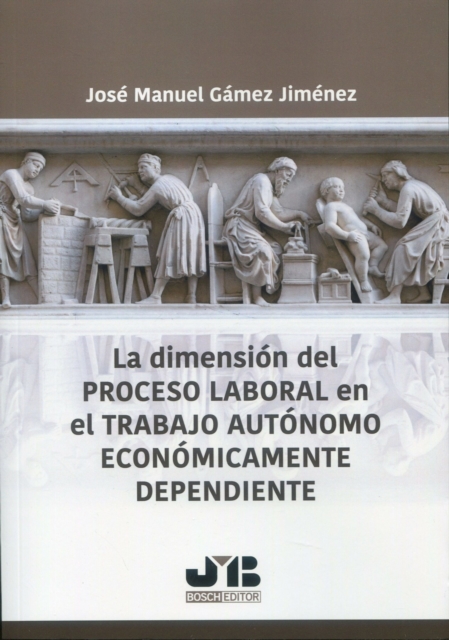
"La existencia de una desigualdad socio-económica entre un trabajador autónomo económicamente dependiente (TAED) y su cliente principal, genera una conciencia social proyectada sobre los poderes públicos que persigue proteger al TAED a través de una norma, el Estatuto del Trabajo Autónomo (LETA), que salvaguarda a este colectivo desde el punto de vista sustantivo y procesal.
En un mundo donde la innovación y la protección de la creación intelectual son pilares fundamentales para el avance y la sostenibilidad, llega un libro que se adentra en el corazón de uno de los debates más trascendentales y disruptivos de la actualidad agrícola y biotecnológica: la adhesión al Acta UPOV 1991.
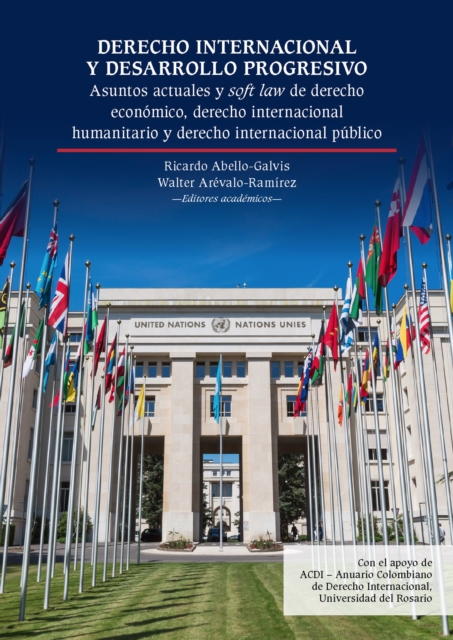
"La Facultad de Jurisprudencia de la Universidad del Rosario ha sido en los últimos años el foro de los más selectos debates del derecho internacional en Colombia.
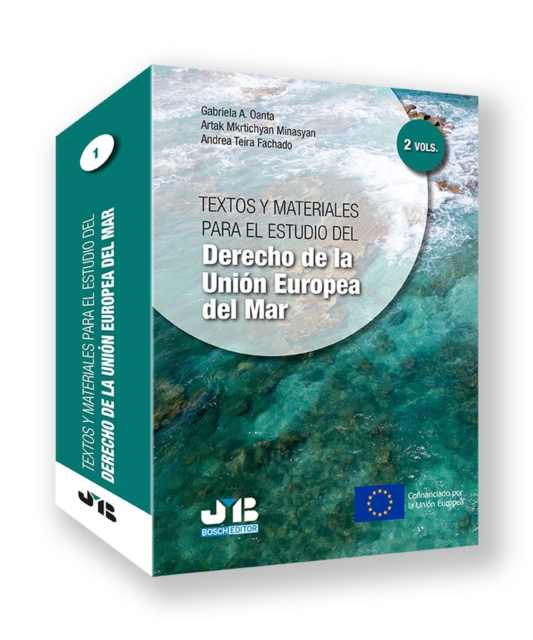
Esta obra reune, desde una perspectiva eminentemente docente, los textos juridicos que, en lengua espanola, consideramos mas relevantes en relacion con el sistema de normas y principios que regulan las actividades maritimas en y de la Union Europea dentro del ambito de las competencias que sus Estados miembros le han atribuido.
"Die ewige Schlacht – Warum der Krieg die Menschheit nicht loslässt" bietet eine umfassende Analyse der menschlichen Neigung zur Gewalt und erklärt, warum Krieg seit Jahrtausenden ein unvermeidbarer Bestandteil unserer Geschichte ist.
The doctrine of the Kingship of Christ stands at the very heart of the Catholic faith, not as an ornament of piety or a poetic metaphor, but as a concrete and objective truth about the identity of Jesus Christ and His sovereign rights over all creation.
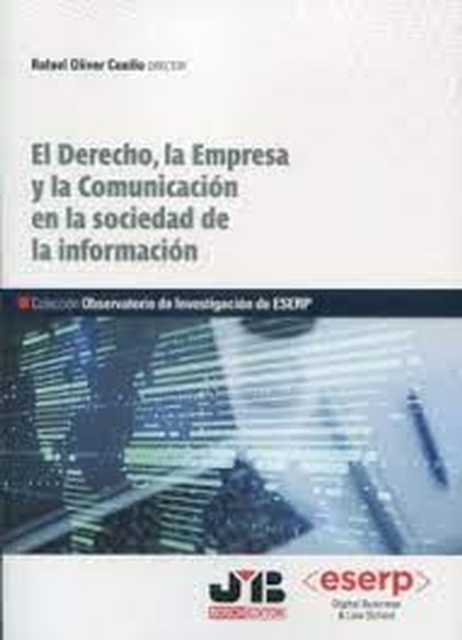
"La presente obra colectiva, en la que han participado profesores de diversas universidades españolas, es fruto de la celebración de la II Jornada de Investigación en Ciencias Sociales de ESERP.
A partir de la lectura de autores como Rancière, Beuys, Malabou o Duchamp, esta obra realiza un profundo análisis filosófico sobre el ocio, y por consiguiente acerca del proceso de desarrollo del pensamiento y de la creación.
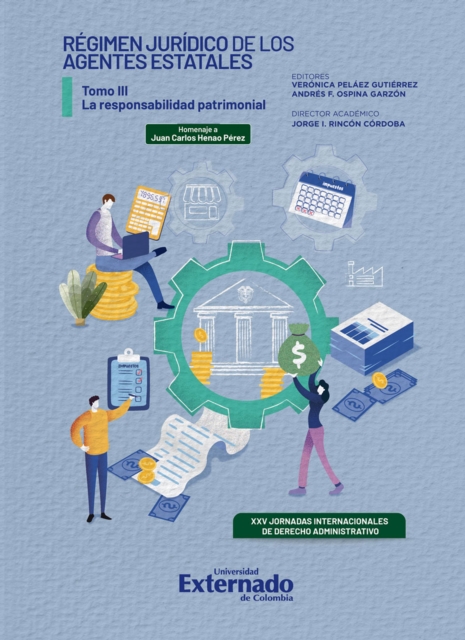
Luego de veinticinco años de ofrecer a la comunidad jurídica obras colectivas de investigación monográfica, que han marcado, año tras año, la doctrina administrativista, la escuela de Derecho Administrativo de la Universidad Externado de Colombia presenta la obra Régimen jurídico de los agentes estatales, en tres tomos.
El arbitraje es un modo ideal para solucionar un conflicto si las partes no estan en condiciones de hacerlo por si mismas, porque se hace desde la libertad de los propios sujetos que se sienten violentados por el conflicto.
"En este libro, de tinte divulgativo, se introduce al lector en dos métodos de estudio del derecho: uno que ya tiene cierto andar, como es el caso del análisis económico del derecho (AED); y otro de factura más reciente, que es el análisis conductual del derecho (ACD).
"La Convención de Viena sobre los contratos de compraventa internacional de mercaderías es una de las expresiones más logradas de la unificación del Derecho privado, que ha servido de base tanto para la elaboración de otras normas de derecho uniforme del comercio internacional como para el desarrollo de los proyectos de modernización del derecho civil y mercantil español y de otros países.
"El libro ""Cooperación Judicial Civil y Penal en la Unión Europea: Retos Pendientes y Nuevos Desafíos ante la Transformación Digital del Proceso"" se destaca por su abordaje de la compleja dinámica de la cooperación judicial en el ámbito civil y penal dentro de la Unión Europea, en un contexto de vertiginosa transformación digital.
Este volumen es el resultado del trabajo investigativo derivado del VI Congreso de Derecho Internacional, y reúne investigaciones de autores nacionales e internacionales seleccionadas tras una amplia convocatoria abierta.
El movimiento Cristianos por el Socialismo surgió y se desarrolló bajo el alero de la corriente de pensamiento y acción cristiana que fue la teología de la liberación latinoamericana.
En la mayoría de los veleros de mediano o pequeño porte el timonel tiene una doble tarea: conducir a la embarcación y resolver múltiples situaciones que puedan presentarse, dando para ello las instrucciones o voces de mando que sean necesarias para que su tripulación las ejecute.
La historia de las conquistas de la humanidad se escribio mayoritariamente sobre los mares, y a bordo de las embarcaciones que, desde hace no menos de cuatro mil anos, los han estado surcando, siempre hubo un lugar de privilegio para un personaje cuya mision opacaba no solo al capitan, sino hasta al almirante de la flota.
El objetivo de la presente obra colectiva es proponer una serie de nuevas ideas y de reflexiones sobre una tematica crucial en la vida de todos y todas, de preocupacion global y parte de la agenda internacional, como es el agua (fuente de vida del que emana toda la existencia de nuestro planeta), y su reconocimiento como derecho humano y derecho fundamental, en particular, en America Latina.
En un mundo cada vez más interconectado y donde la diversidad y la globalización parecen las características que definirán el futuro, las normas que regulan y regularán la vida humana en la red se tornan cada vez más relevantes para la vida social.
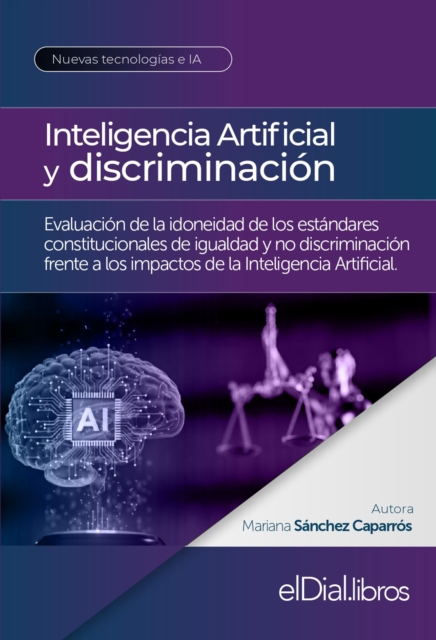
La Inteligencia Artificial (IA) se está convirtiendo en una realidad cotidiana en la vida de millones de personas, cambiando la forma en que trabajamos, enseñamos, aprendemos, disfrutamos del tiempo de ocio o investigamos, con las consiguientes cuestiones éticas y legales que debemos afrontar.
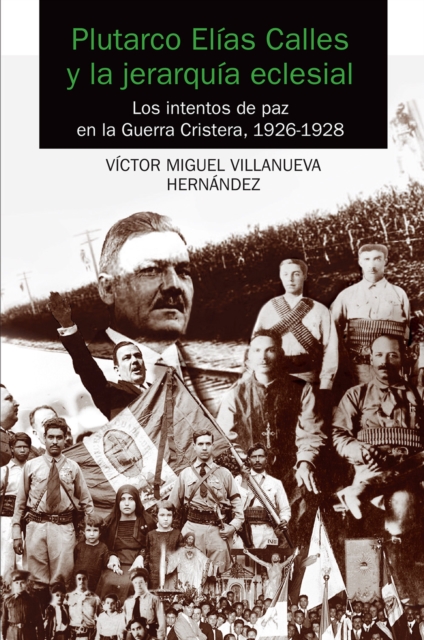
Si bien el enfrentamiento entre el Estado y la Iglesia en México se inició con la propia independencia del país y se agudizó con las Leyes de Reforma, nunca las jerarquías eclesiásticas y políticas habían recurrido a las armas para deliberar sus diferencias.
Welcome to Islam: An Essential Guide for New MuslimsAre you searching for a clear, authentic, and simple introduction to Islam—free from confusion, cultural barriers, or overwhelming detail?