More than the story of one man's case, this book tells the story of entire generations of people marked as "e;mixed race"e; in America amid slavery and its aftermath, and being officially denied their multicultural identity and personal rights as a result.
For over a century, many have struggled to turn the Constitution's prime goal "e;to establish Justice"e; into reality for Americans who cannot afford lawyers through civil legal aid.
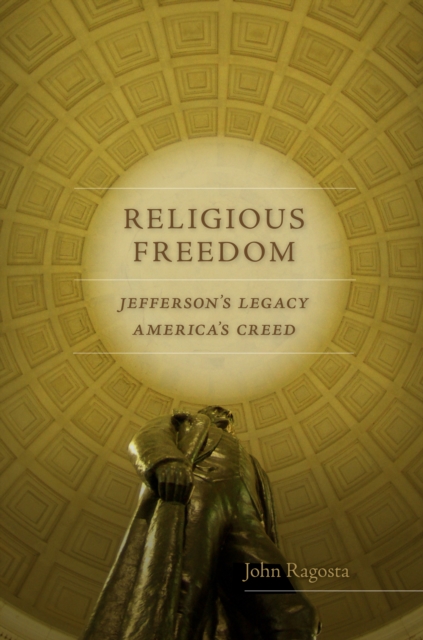
For over one hundred years, Thomas Jefferson and his Statute for Establishing Religious Freedom have stood at the center of our understanding of religious liberty and the First Amendment.
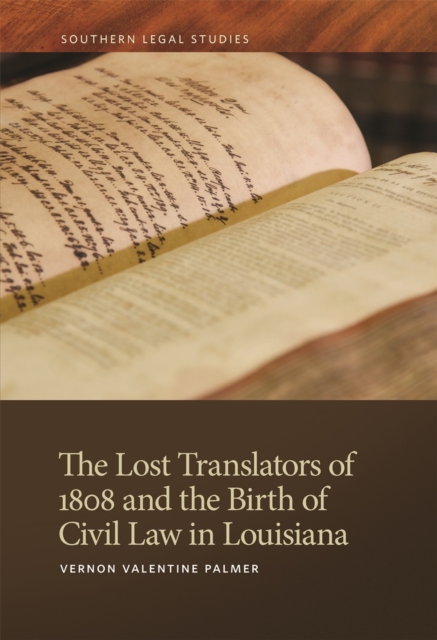
In 1808 the legislature of the Louisiana territory appointed two men to translate the Digest of the Laws in Force in the Territory of Orleans (or, as it was called at the time, simply the Code) from the original French into English.
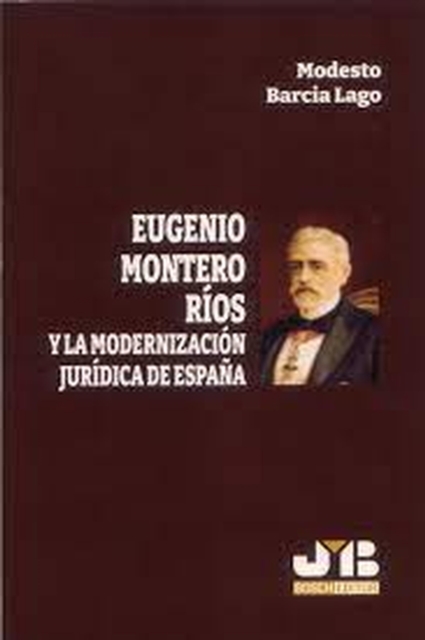
Don Eugenio Montero Ríos (1832-1914) es una de las figuras más destacadas, que, haciendo su pública aparición política en la Constituyente de 1869, nacida de la Revolución "gloriosa" del año anterior, que destronó a Isabel II, transitaría por el período de la Restauración canovista posterior al sexenio democrático.
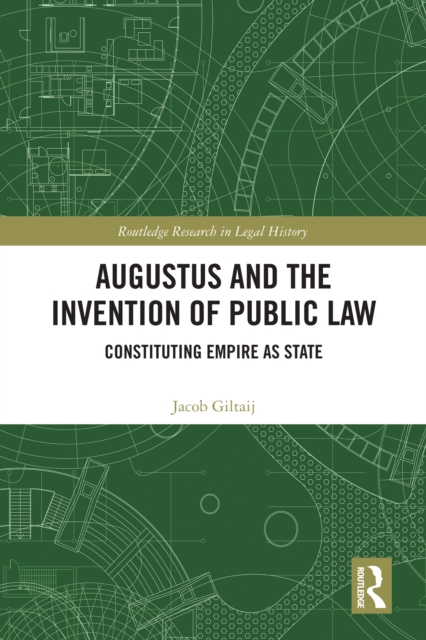
This book argues that the most important and influential reform of the state was that done by the first emperor Augustus, turning the warring Roman republic into a relatively stable empire lasting 500 years in the West, and 1500 in the East.
When a B-29 bomber exploded over Georgia in 1948, the victims families were denied access to crucial information relating to the accident because the federal government claimed such access would endanger national security.
This book argues that the most important and influential reform of the state was that done by the first emperor Augustus, turning the warring Roman republic into a relatively stable empire lasting 500 years in the West, and 1500 in the East.
This collection celebrates the quadricentennial anniversary of Shakespeare's First Folio (1623), examining the intersection of law, literature, history, and performance through eight scholarly essays and an afterword.
This collection celebrates the quadricentennial anniversary of Shakespeare's First Folio (1623), examining the intersection of law, literature, history, and performance through eight scholarly essays and an afterword.
This book provides a thorough reconsideration of Joan of Arc’s 1431 trial, detailing the canon law of inquisitorial procedure and the ways in which the trial failed to follow the requirements.
This book provides a thorough reconsideration of Joan of Arc’s 1431 trial, detailing the canon law of inquisitorial procedure and the ways in which the trial failed to follow the requirements.
In 1919 American Communist Party member Benjamin Gitlow was arrested for distributing a Left Wing Manifesto, a publication inspired by the Russian Revolution.
In 1919 American Communist Party member Benjamin Gitlow was arrested for distributing a Left Wing Manifesto, a publication inspired by the Russian Revolution.