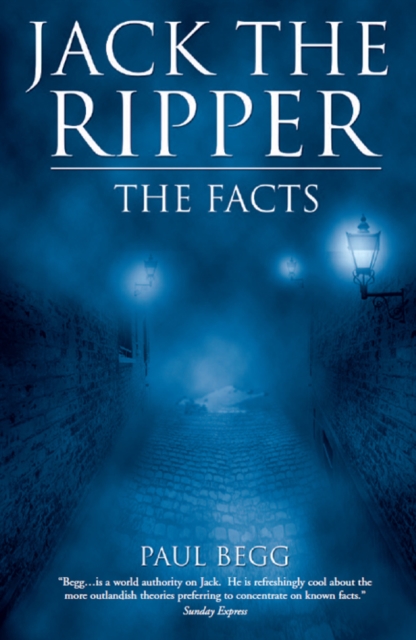
Using contemporary documents, police files, Home Office papers and newspaper reports, 'Jack the Ripper: The Facts' recreates the notorious crimes and police investigation of 1888 to provide the best available overview of the 'Great Victorian Mystery', the greatest unsolved, true crime story of all time.
For over a century, many have struggled to turn the Constitution's prime goal "e;to establish Justice"e; into reality for Americans who cannot afford lawyers through civil legal aid.
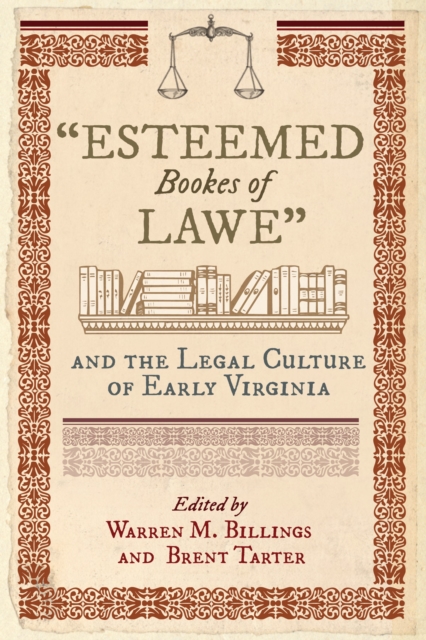
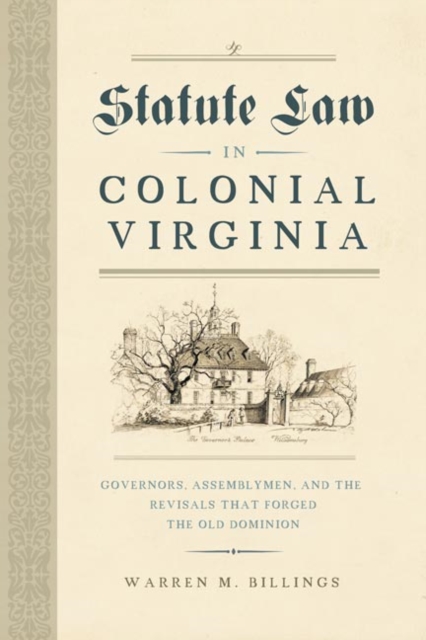
Virginia men of law constituted one of the first learned professions in colonial America, and Virginia legal culture had an important and lasting impact on American political institutions and jurisprudence.
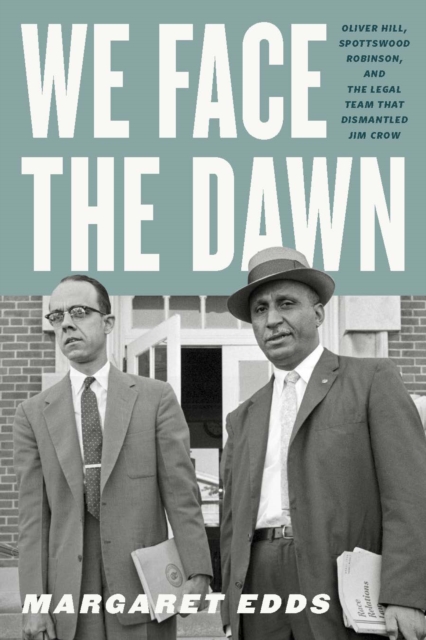
The decisive victories in the fight for racial equality in America were not easily won, much less inevitable; they were achieved through carefully conceived strategy and the work of tireless individuals dedicated to this most urgent struggle.
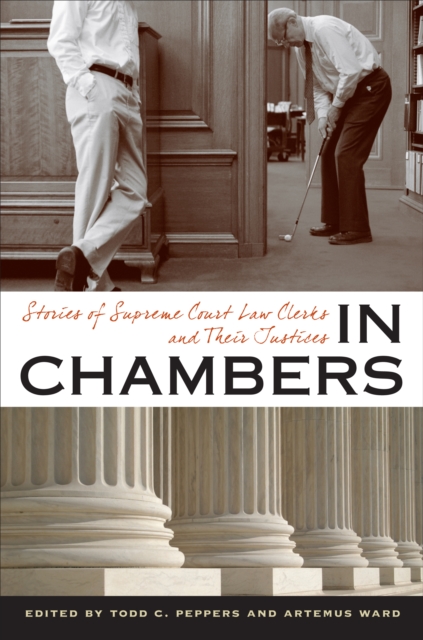
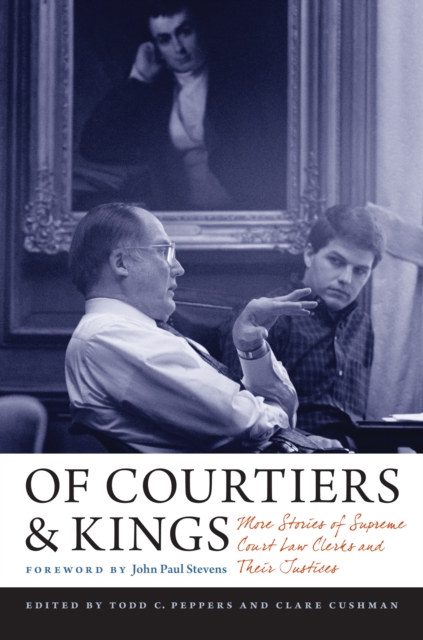
Written by former law clerks, legal scholars, biographers, historians, and political scientists, the essays in In Chambers tell the fascinating story of clerking at the Supreme Court.
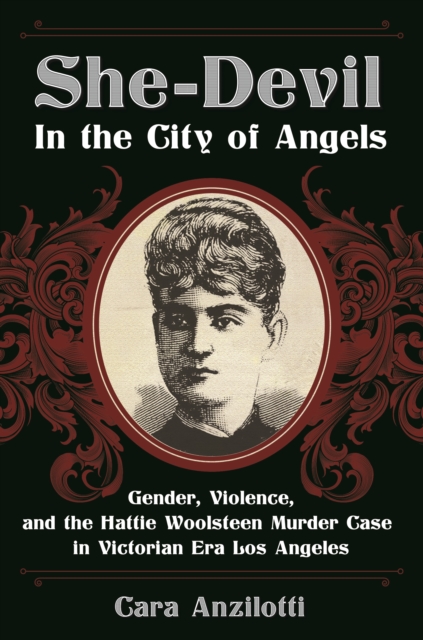
This compelling study of the American public's response to the fate of accused murderer Hattie Woolsteen uses this legal case to examine the complexities of gender history and societal fears about the changing roles of women during the Victorian era.
More than the story of one man's case, this book tells the story of entire generations of people marked as "e;mixed race"e; in America amid slavery and its aftermath, and being officially denied their multicultural identity and personal rights as a result.
This book uses primary sources to closely examine the Equal Protection Clause of the Fourteenth Amendment and to show how legal interpretations of it have had a profound impact on American life as we know it.
Avenging Lincoln's Death: The Trial of John Wilkes Booth's Accomplices is an examination of the 1865 military commission trial of eight alleged accomplices of John Wilkes Booth, the assassin who murdered President Abraham Lincoln.
The second edition of Crime Policy in America describes the process of policy-making and the substantive nature of policy directions in crime and justice in America, particularly from the beginning of the 1970s.
Crime at El Escorial presents a comparative social and judicial analysis of an 1892 child murder, drawing from newspaper archives among other historical documents.
This book uses primary sources to closely examine the Equal Protection Clause of the Fourteenth Amendment and to show how legal interpretations of it have had a profound impact on American life as we know it.
This compelling study of the American public's response to the fate of accused murderer Hattie Woolsteen uses this legal case to examine the complexities of gender history and societal fears about the changing roles of women during the Victorian era.
Avenging Lincoln's Death: The Trial of John Wilkes Booth's Accomplices is an examination of the 1865 military commission trial of eight alleged accomplices of John Wilkes Booth, the assassin who murdered President Abraham Lincoln.
Praise for In Chambers: "e;This new collection of essays, including some by former clerks, takes readers inside justices' chambers for a look at clerkship life.
Infamous for authoring two concepts since favored by government powers seeking license for ruthlessness-the utilitarian notion of privileging the greatest happiness for the most people and the panopticon-Jeremy Bentham is not commonly associated with political emancipation.
Following the defeat of Hillary Clinton in the presidential election of 2016, many prominent scholars and political pundits argued that a successful Democratic Party in the future must abandon identity politics.
Praise for In Chambers: "e;This new collection of essays, including some by former clerks, takes readers inside justices' chambers for a look at clerkship life.
The decisive victories in the fight for racial equality in America were not easily won, much less inevitable; they were achieved through carefully conceived strategy and the work of tireless individuals dedicated to this most urgent struggle.
Virginia men of law constituted one of the first learned professions in colonial America, and Virginia legal culture had an important and lasting impact on American political institutions and jurisprudence.
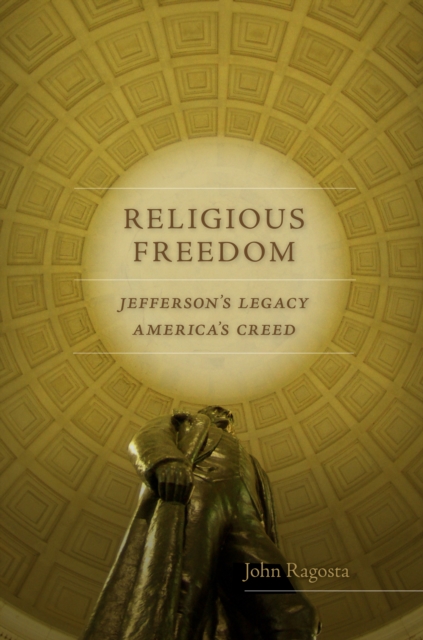
For over one hundred years, Thomas Jefferson and his Statute for Establishing Religious Freedom have stood at the center of our understanding of religious liberty and the First Amendment.
Written by former law clerks, legal scholars, biographers, historians, and political scientists, the essays in In Chambers tell the fascinating story of clerking at the Supreme Court.
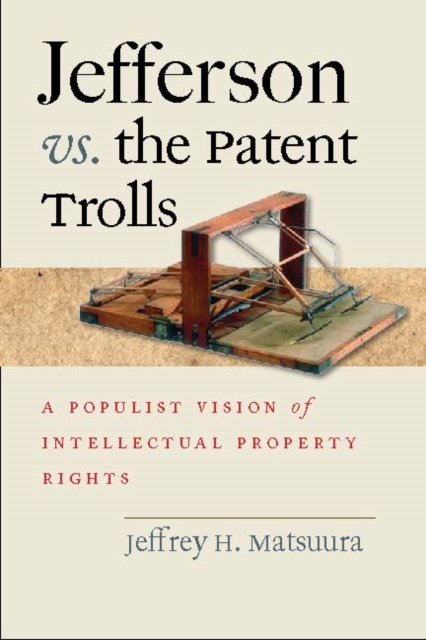
Of all the founding fathers, Thomas Jefferson had the most substantial direct experience with the issues surrounding intellectual property rights and their impact on creativity, invention, and innovation.
Of all the founding fathers, Thomas Jefferson had the most substantial direct experience with the issues surrounding intellectual property rights and their impact on creativity, invention, and innovation.
Crime at El Escorial presents a comparative social and judicial analysis of an 1892 child murder, drawing from newspaper archives among other historical documents.
The second edition of Crime Policy in America describes the process of policy-making and the substantive nature of policy directions in crime and justice in America, particularly from the beginning of the 1970s.
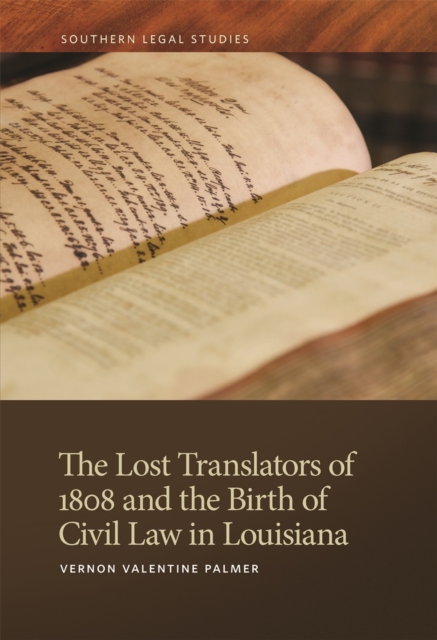
In 1808 the legislature of the Louisiana territory appointed two men to translate the Digest of the Laws in Force in the Territory of Orleans (or, as it was called at the time, simply the Code) from the original French into English.