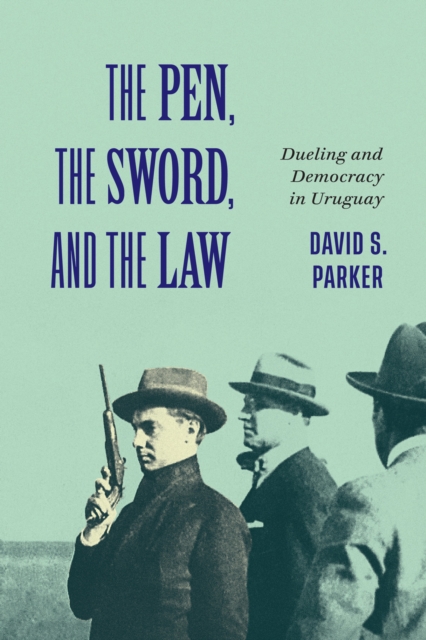
The duel, and the codes of honour that governed duelling, functioned for decades in many European and Latin American countries as a shadow legal system, regulating in practice what legislators felt free to say and what journalists felt free to write.
This book explores the distinction between private and public aspects in competition law and focuses on how the concept of competition is incorporated into the legal framework.
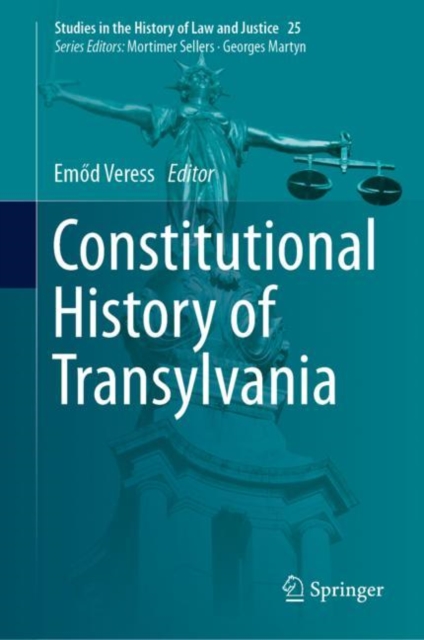
This book examines the constitutional history of Transylvania, a region of Central Europe that has experienced a compelling series of historical events and been governed by a variety of ancient, medieval, and modern entities, as well as its own peoples, who from time to time have jointly or separately exercised their right to self-governance.
Winner: Bancroft PrizeWinner: Henry Adams PrizeWinner: Ohio History Association Book PrizeIn time for the 225th anniversary of the Bill of Rights, David Kyvig completed an Afterword to his landmark study of the process of amending the US Constitution.
Challenging traditional accounts of the development of American private law, Peter Karsten offers an important new perspective on the making of the rules of common law and equity in nineteenth-century courts.
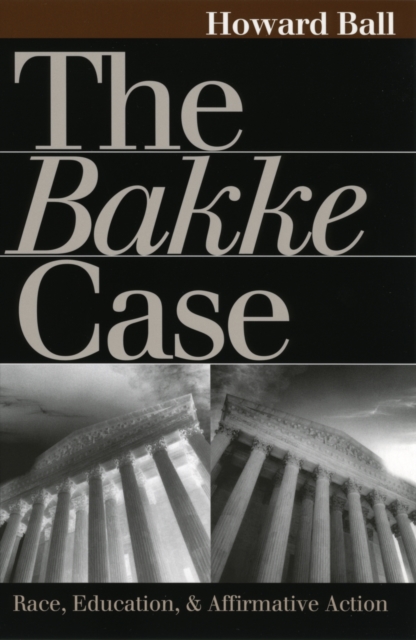
Twice denied admission to a California medical school despite better grades and test scores than successful minority applicants, Allan Bakke took his grievance to court and set off a major controversy over affirmative action.
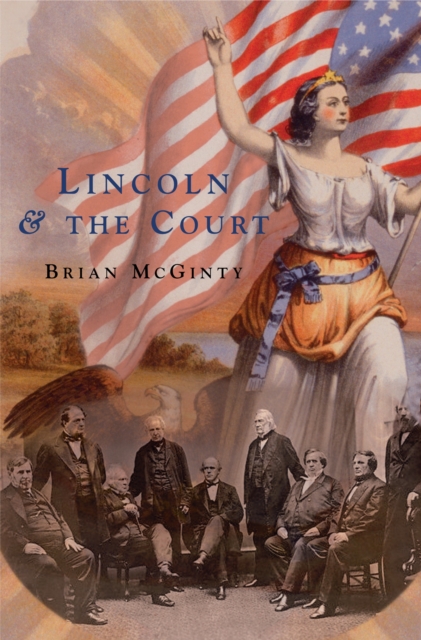
In a meticulously researched and engagingly written narrative, Brian McGinty rescues the story of Abraham Lincoln and the Supreme Court from long and undeserved neglect, recounting the compelling history of the Civil War president's relations with the nation's highest tribunal and the role it played in resolving the agonizing issues raised by the conflict.
In 1824 and 1830, over one hundred thousand acres across Iowa, Minnesota and Nebraska were set aside as a home for descendants of Native American women and white traders and trappers.
This book investigates the legal evolution of the "e;free soil principle"e; in England, France and the Low Countries during the Early Modern period (ca.
This book explores the history of public land tenure records, which first began in colonial Massachusetts as English settlers and Native Americans tried to resolve differing ideas about rights to land in the seventeenth century.
In this book, experts from the fields of law and philosophy explore the works of Aristotle to illuminate the much-debated and fascinating relationship between emotions and justice.
This volume addresses an important historiographical gap by assessing the respective contributions of tradition and foreign influences to the 19th century codification of criminal law.
This book provides a comparative account of the abolition of concubinage in East Asia, offering a new perspective and revised analysis of the factors leading to - and the debates surrounding - the introduction of a new Marriage Reform Ordinance in Hong Kong in 1971.
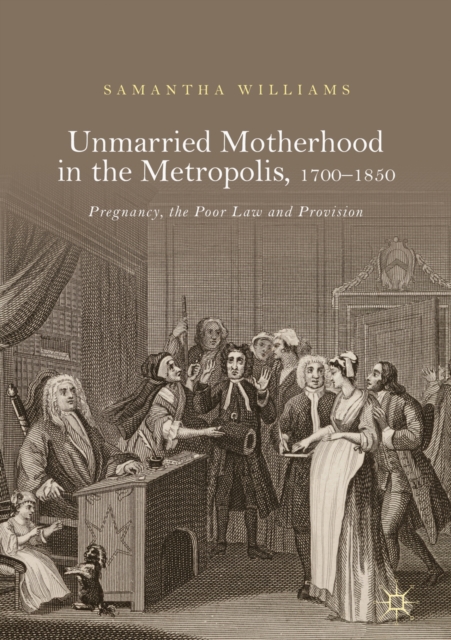
In this book Samantha Williams examines illegitimacy, unmarried parenthood and the old and new poor laws in a period of rising illegitimacy and poor relief expenditure.
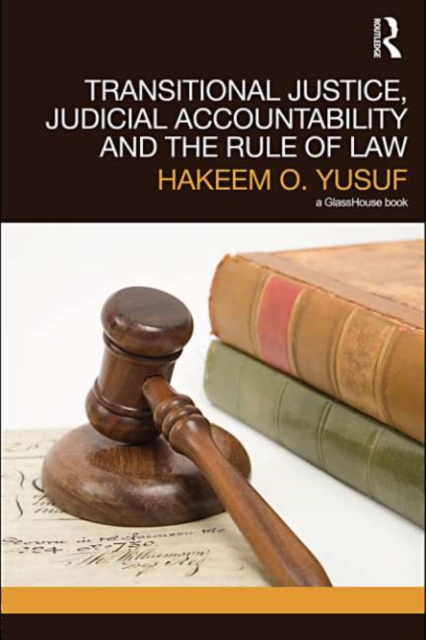
Transitional Justice, Judicial Accountability and the Rule of Law addresses the importance of judicial accountability in transitional justice processes.
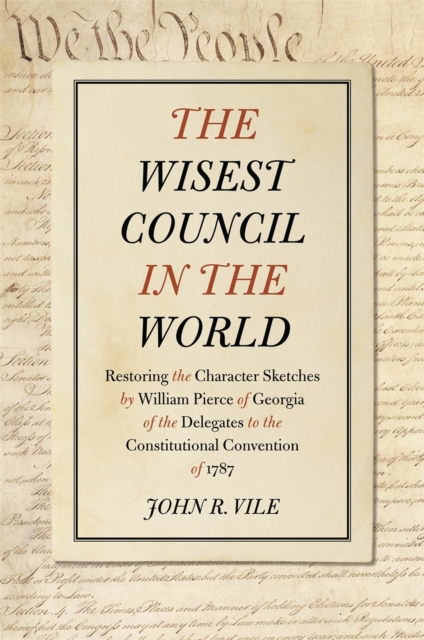
Of all the written portraits of the delegates who attended the Federal Convention of 1787, few are as complete and compelling as those penned by William Pierce Jr.
A fresh and fascinating history of crime and violence in England through the office of the coroner In his fascinating debut, Matthew Lockwood explores the history of crime, homicide, and suicide in England over four centuries through the office of the coroner.
Following its publication in 1974, Grant Gilmore's compact portrait of the development of American law from the eighteenth century to the mid-twentieth century became a classic.
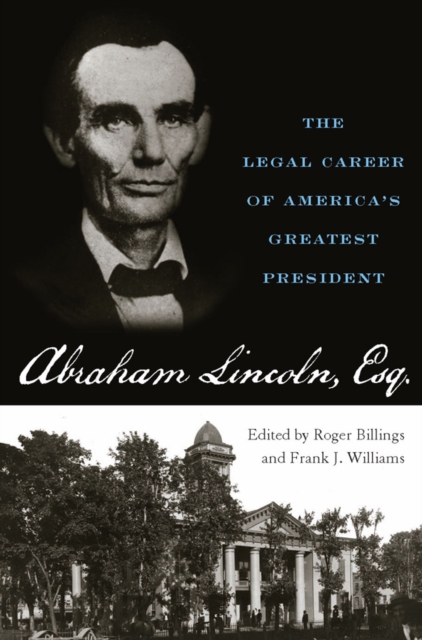
As our nation's most beloved and recognizable president, Abraham Lincoln is best known for the Emancipation Proclamation and for guiding our country through the Civil War.
According to the US Constitution, if a bill is not returned to Congress by the president within ten days of receiving it and Congress has adjourned, the bill is effectively vetoed.
Langum Prize, Honorable MentionAmericans value privacy as one of their most cherished rights, yet the word "e;privacy"e; isn't even mentioned in the U.