The inscribed text referred to as the sacred law of Andania contains almost 200 lines of regulations about a mystery festival and the sanctuary in which it took place.
Das bio-bibliographische Handbuch deutschsprachiger Rechtswissenschaftler im Exil verzeichnet alle Rechtswissenschaftler, die in Folge der Machtübernahme der Nationalsozialisten verfolgt wurden, emigrierten und in den jeweiligen Aufnahmeländern weiterhin wissenschaftlich tätig waren.
Das Thema Laster im Mittelalter zeichnet sich durch seine Kontinuität über das gesamte Mittelalter aus und hat seine Wurzeln in der Spätantike und seine Nachwirkungen in der Neuzeit.
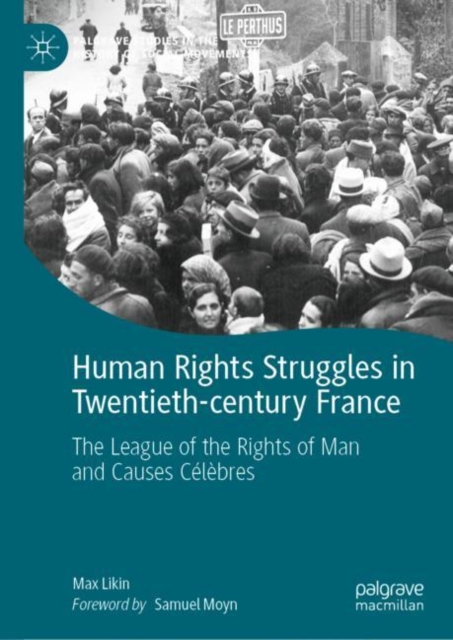
This book provides an introduction to human rights controversies in twentieth-century France, from the Dreyfus Affair at the beginning of the century, to the arguments over women and immigrants' rights at its end.
This handbook offers a collection of scholarly essays that analyze questions of reproductive justice throughout its cultural representation in global literature and film.
This book explores the constitutional debates of the Year 3 of the French Revolution (also known as Year 1 of the French Republic) and the drafts for the Declaration and the Constitution of 1793.
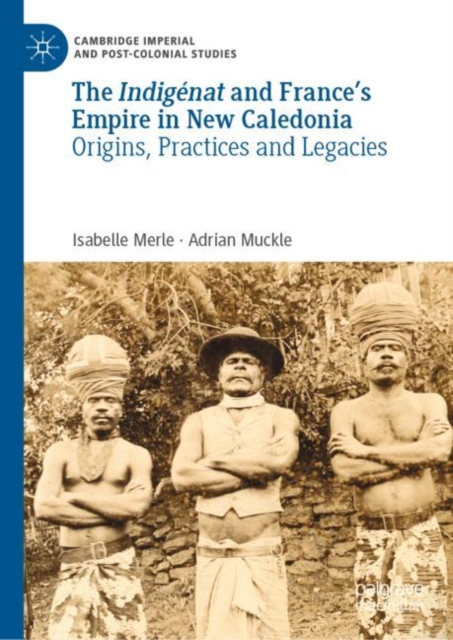
This book provides a long history of France's infamous indigenat regime, from its origins in Algeria to its contested practices and legacies in France's South Pacific territory of New Caledonia.
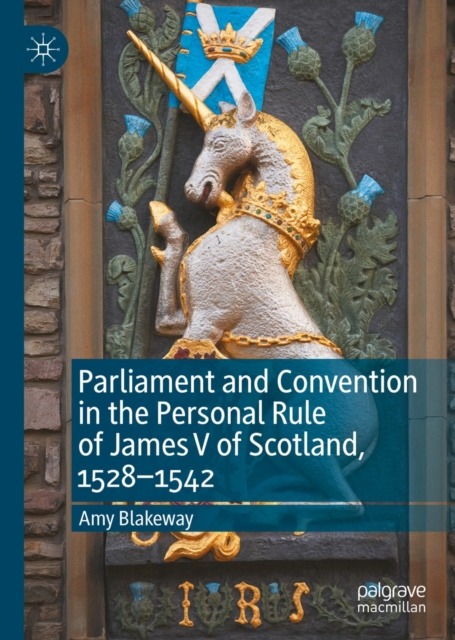
This book, based on a fresh understanding of Scottish governmental records rooted in extensive archival research, offers the first study of these important institutions in a period of revived royal authority.
This book traces the development of Oman's inclusive agreements and highlights their importance for international negotiations, dealing with issues most relevant to humanity's own survival today, nuclear weapons or climate change.
This book focuses on the history of the provision of legal aid and legal assistance to the poor in the nineteenth and twentieth centuries in eight different countries.
This book frames British Romanticism as the artistic counterpart to a revolution in subjectivity occasioned by the rise of "e;The Rule of Law"e; and as a traumatic response to the challenges mounted against that ideal after the French Revolution.
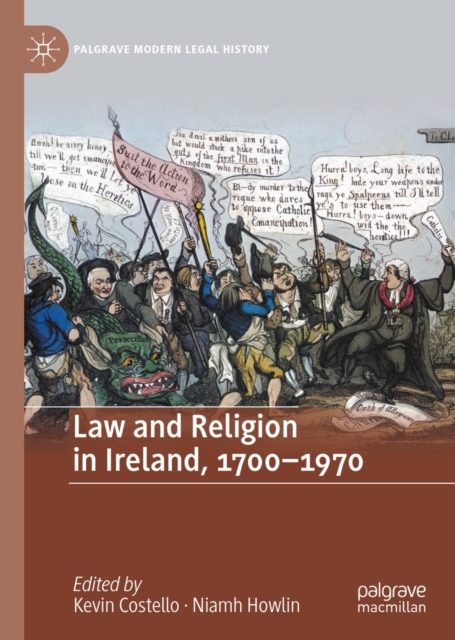
This book focuses, from a legal perspective, on a series of events which make up some of the principal episodes in the legal history of religion in Ireland: the anti-Catholic penal laws of the late seventeenth and early eighteenth century; the shift towards the removal of disabilities from Catholics and dissenters; the dis-establishment of the Church of Ireland; and the place of religion, and the Catholic Church, under the Constitutions of 1922 and 1937.