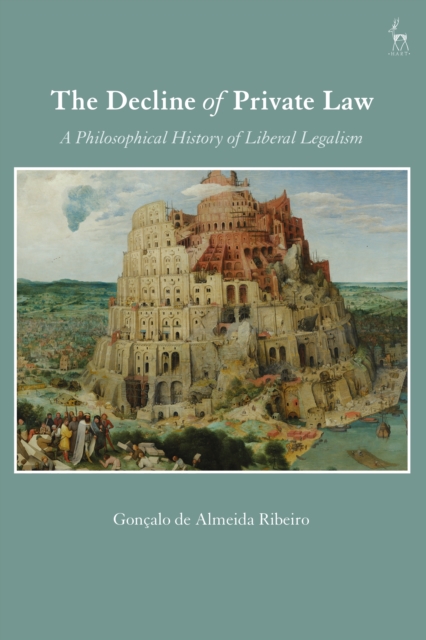
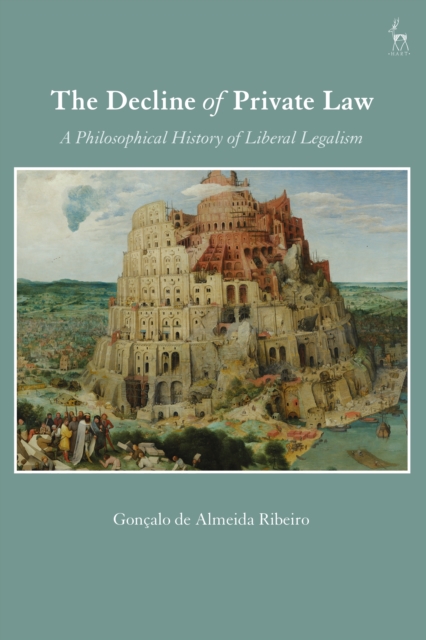
This book is a large-scale historical reconstruction of liberal legalism, from its inception in the mid-nineteenth century, the moment in which the jurists forged the alliance between political liberalism and legal expertise embodied in classical private law doctrine, to the contemporary anxiety about the possibility of both a liberal solution to the problem of political justification and of law as a respectable form of expert knowledge.
This book is a large-scale historical reconstruction of liberal legalism, from its inception in the mid-nineteenth century, the moment in which the jurists forged the alliance between political liberalism and legal expertise embodied in classical private law doctrine, to the contemporary anxiety about the possibility of both a liberal solution to the problem of political justification and of law as a respectable form of expert knowledge.
Through an examination of five plays by Shakespeare, Paul Raffield analyses the contiguous development of common law and poetic drama during the first decade of Jacobean rule.
Through an examination of five plays by Shakespeare, Paul Raffield analyses the contiguous development of common law and poetic drama during the first decade of Jacobean rule.
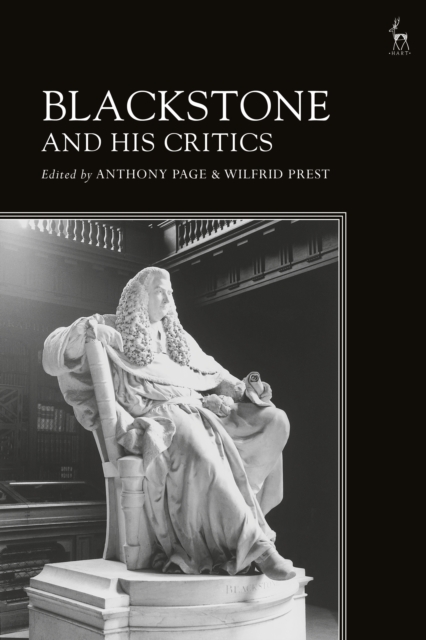
William Blackstone's Commentaries on the Laws of England (1765-69) is perhaps the most elegant and influential legal text in the history of the common law.
William Blackstone's Commentaries on the Laws of England (1765-69) is perhaps the most elegant and influential legal text in the history of the common law.
With populist, nationalist and repressive governments on the rise around the world, questioning the impact of politics on the nature and role of law and the state is a pressing concern.
With populist, nationalist and repressive governments on the rise around the world, questioning the impact of politics on the nature and role of law and the state is a pressing concern.
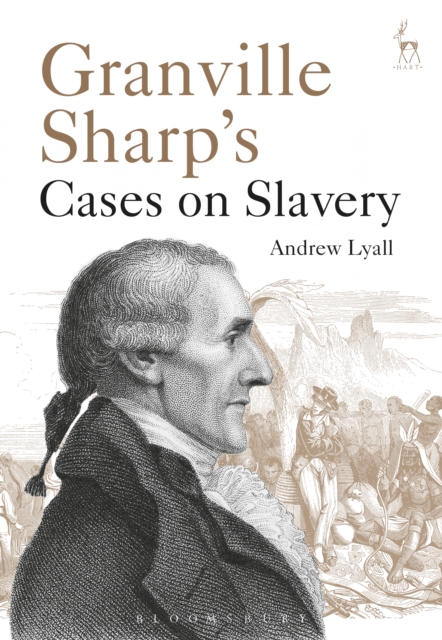
The purpose of Granville Sharpe's Cases on Slavery is twofold: first, to publish previously unpublished legal materials principally in three important cases in the 18th century on the issue of slavery in England, and specifically the status of black people who were slaves in the American colonies or the West Indies and who were taken to England by their masters.
This selection of lectures, essays and speeches by Lord Judge, nearly all written when he was Lord Chief Justice of England and Wales, brings together his analysis of a wide range of topics which underpin the administration of justice and the rule of law.
This selection of lectures, essays and speeches by Lord Judge, nearly all written when he was Lord Chief Justice of England and Wales, brings together his analysis of a wide range of topics which underpin the administration of justice and the rule of law.
With this incisive work, Palmer Rampell reveals the surprising role genre fiction played in redefining the category of the private person in the postwar period.
A historical look at the early evolution of global trade and how this led to the creation and dominance of the European business corporationBefore the seventeenth century, trade across Eurasia was mostly conducted in short segments along the Silk Route and Indian Ocean.
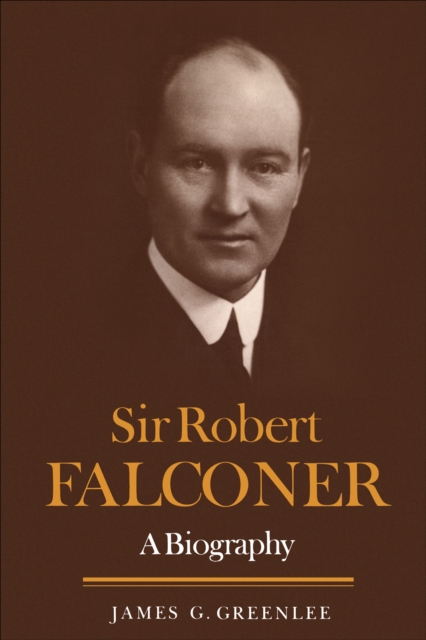
Biblical scholar, social critic, and internationalist, Robert Alexander Falconer was also the foremost Canadian university leader of his generation, serving as president of the University of Toronto from 1907 to 1932.
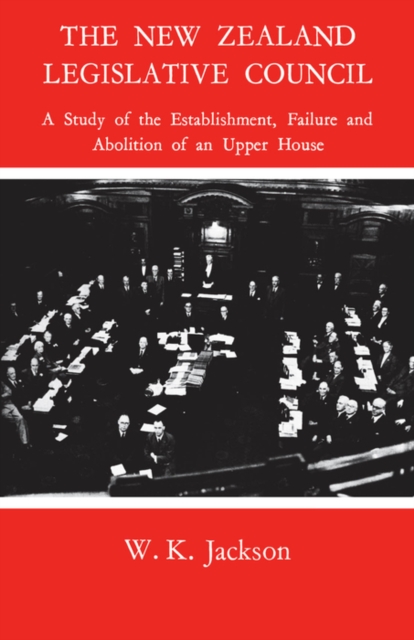
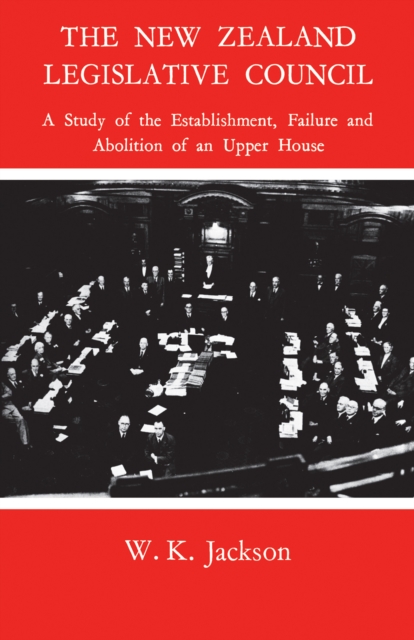
The New Zealand upper house, the Legislative Council (which bore a marked resemblance to its Canadian counterpart the Federal Senate) was abolished in 1950 in an action which represents one of the most clear-cut examples of pragmatic politics in New Zealand history.
The New Zealand upper house, the Legislative Council (which bore a marked resemblance to its Canadian counterpart the Federal Senate) was abolished in 1950 in an action which represents one of the most clear-cut examples of pragmatic politics in New Zealand history.
George Heiman has translated the discussion of classical and early Christian laws of association from the major works by Grotto Gierke, Das deutsche Genossenschaftsrecht.
This volume, containing ten essays, is the first of two designed to illustrate the wide possibilities for research and writing in Canadian legal history and reflecting the current interests of those working in that area.