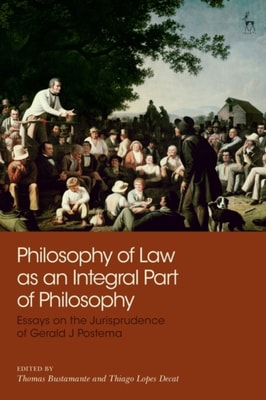
This second volume of the Vienna Lectures on Legal Philosophy series presents 11 chapters which are dedicated to normativist and anti-normativist approaches to law.
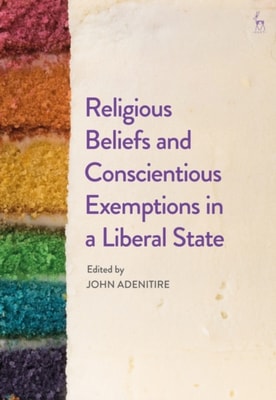
The central focus of this edited collection is on the ever-growing practice, in liberal states, to claim exemption from legal duties on the basis of a conscientious objection.
The central focus of this edited collection is on the ever-growing practice, in liberal states, to claim exemption from legal duties on the basis of a conscientious objection.
Law's Judgement elucidates and defends a feature of contemporary law that is currently either overlooked or too glibly dismissed as morally troublesome or historically anachronistic.
Law's Judgement elucidates and defends a feature of contemporary law that is currently either overlooked or too glibly dismissed as morally troublesome or historically anachronistic.
This book contributes to the literature on jurisprudence and theology by arguing for the role of a theoretically robust Christian theology in a legal community dominated by secular and liberal ideology.
This book contributes to the literature on jurisprudence and theology by arguing for the role of a theoretically robust Christian theology in a legal community dominated by secular and liberal ideology.
This collection of original essays brings together leading legal historians and theorists to explore the oft-neglected but important relationship between these two disciplines.
This collection of original essays brings together leading legal historians and theorists to explore the oft-neglected but important relationship between these two disciplines.
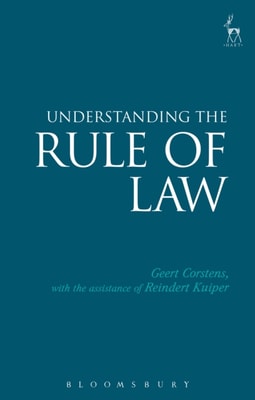
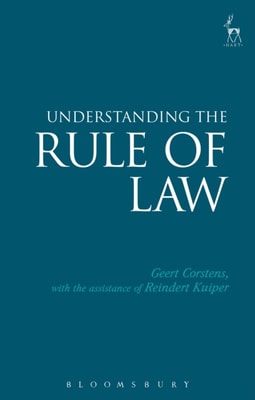
The 'rule of law' is increasingly regarded as integral to liberal democracy, and its significance is frequently discussed by lawyers, academics, politicians and the media.
The 'rule of law' is increasingly regarded as integral to liberal democracy, and its significance is frequently discussed by lawyers, academics, politicians and the media.
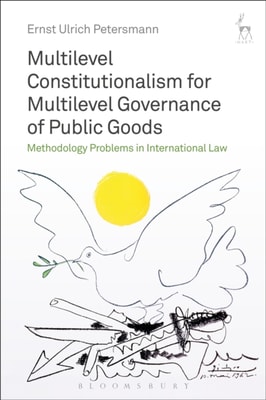
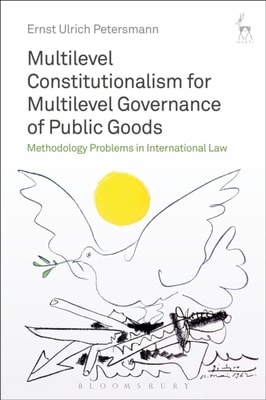
This is the first legal monograph analysing multilevel governance of global 'aggregate public goods' (PGs) from the perspective of democractic, republican and cosmopolitan constitutionalism by using historical, legal, political and economic methods.
This is the first legal monograph analysing multilevel governance of global 'aggregate public goods' (PGs) from the perspective of democractic, republican and cosmopolitan constitutionalism by using historical, legal, political and economic methods.
This book is a large-scale historical reconstruction of liberal legalism, from its inception in the mid-nineteenth century, the moment in which the jurists forged the alliance between political liberalism and legal expertise embodied in classical private law doctrine, to the contemporary anxiety about the possibility of both a liberal solution to the problem of political justification and of law as a respectable form of expert knowledge.
This book is a large-scale historical reconstruction of liberal legalism, from its inception in the mid-nineteenth century, the moment in which the jurists forged the alliance between political liberalism and legal expertise embodied in classical private law doctrine, to the contemporary anxiety about the possibility of both a liberal solution to the problem of political justification and of law as a respectable form of expert knowledge.