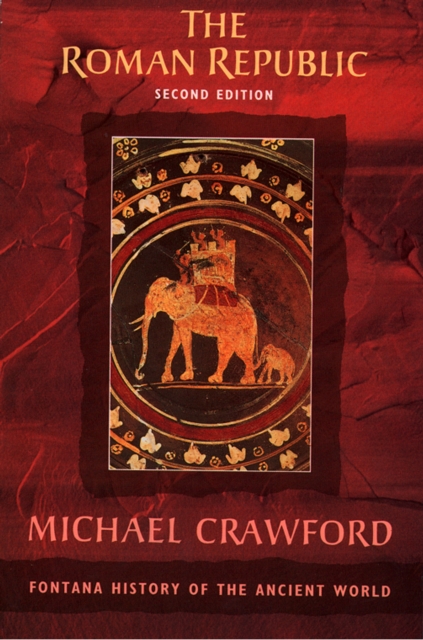
Between the Sack of Rome by the Gauls in 390 BC and the middle of the second century BC, a part-time army of Roman peasants, under the leadership of the ruling oligarchy, conquered first Italy and then the whole of the Mediterranean.
This book provides a thorough introduction to Roman property law by means of "e;cases,"e; consisting of brief excerpts from Roman juristic sources in the original Latin with accompanying English translations.
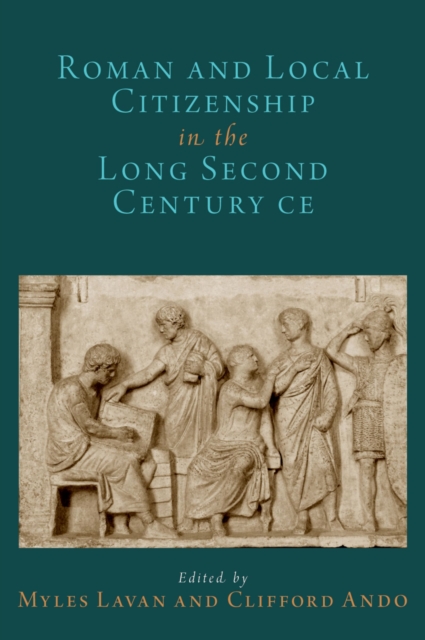
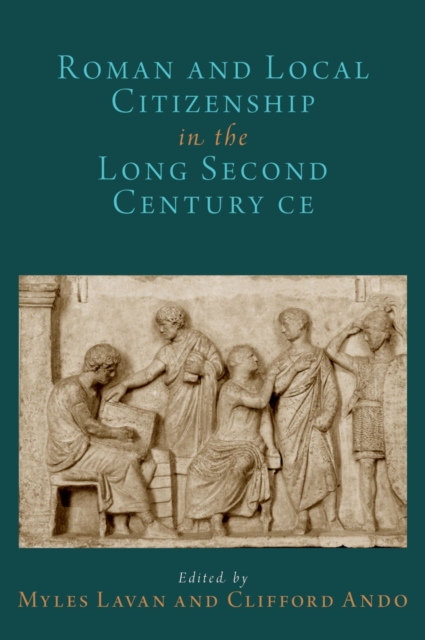
Imperial and Local Citizenship in the Long Second Century CE offers a radical new history of Roman citizenship in the long century before Caracalla's universal grant of citizenship in 212 CE.
Imperial and Local Citizenship in the Long Second Century CE offers a radical new history of Roman citizenship in the long century before Caracalla's universal grant of citizenship in 212 CE.
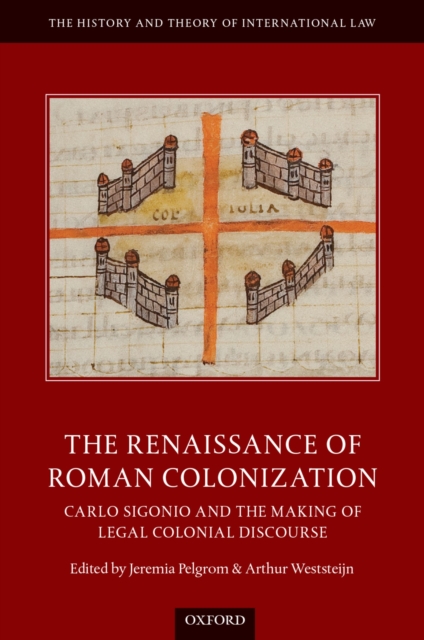
The colonization policies of Ancient Rome followed a range of legal arrangements concerning property distribution and state formation, documented in fragmented textual and epigraphic sources.
The colonization policies of Ancient Rome followed a range of legal arrangements concerning property distribution and state formation, documented in fragmented textual and epigraphic sources.
This book makes the important but surprisingly under-explored argument that modern international law was built on the foundations of Roman law and Roman imperial practice.
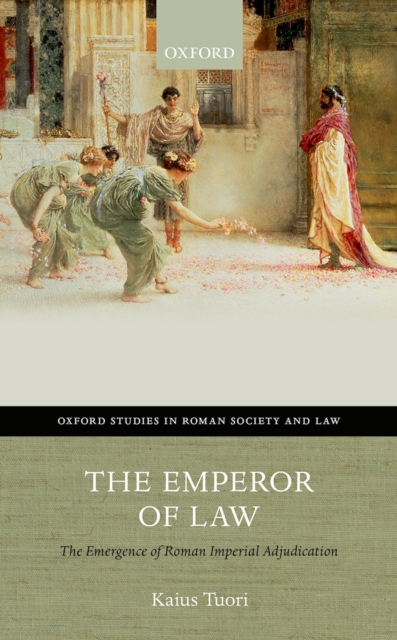
In the days of the Roman Empire, the emperor was considered not only the ruler of the state, but also its supreme legal authority, fulfilling the multiple roles of supreme court, legislator, and administrator.
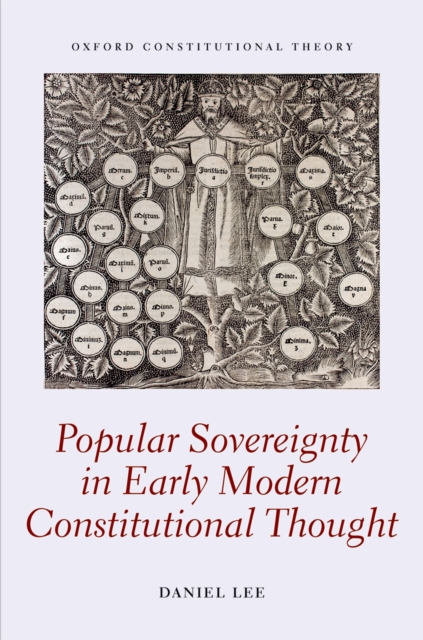
Popular sovereignty - the doctrine that the public powers of state originate in a concessive grant of power from "e;the people"e; - is the cardinal doctrine of modern constitutional theory, placing full constitutional authority in the people at large, rather than in the hands of judges, kings, or a political elite.
Popular sovereignty - the doctrine that the public powers of state originate in a concessive grant of power from "e;the people"e; - is the cardinal doctrine of modern constitutional theory, placing full constitutional authority in the people at large, rather than in the hands of judges, kings, or a political elite.
In the days of the Roman Empire, the emperor was considered not only the ruler of the state, but also its supreme legal authority, fulfilling the multiple roles of supreme court, legislator, and administrator.
This book provides a thorough introduction to Roman property law by means of "e;cases,"e; consisting of brief excerpts from Roman juristic sources in the original Latin with accompanying English translations.
This fourth collection by Professor Andre Gouron presents a set of twenty studies on jurisprudence, jurists and legal practice in the 12th and 13th centuries.