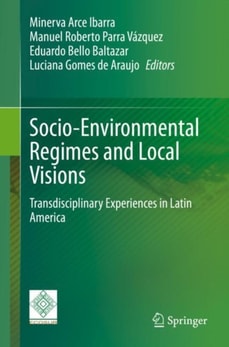
This book presents oral histories, collective dialogues, and analyses of rural and indigenous livelihoods facing global socio-environmental regime change in Latin America (LA).
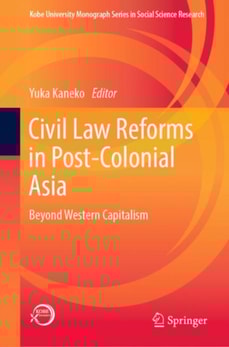
This book focuses on the legal systems of the late-developing countries of ASEAN (Cambodia, Laos, Myanmar, and Vietnam, often referred to as the CLMV countries).
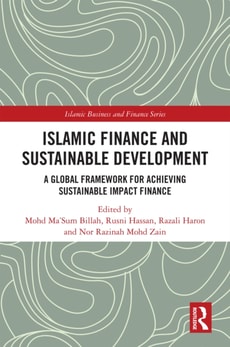
The interest in improving Environmental, Social and Governance (ESG) outcomes among stakeholders of Islamic banking and finance has become front and centre in the discussions relating to Islamic sustainable finance.
This book assesses the extent to which two specialized UN agencies - the International Maritime Organization (IMO) in London and the International Civil Aviation Organization (ICAO) in Montreal - have been able to regulate environmental pollution in the global commons.
Practical Advice for Taking Care of Loved Ones as They Get OlderThe rapid aging of the American population and its accompanying epidemic of dementia and Alzheimer's disease has brought about an awareness of the increasing vulnerability of our elders.
This book includes guiding cases of the Supreme People's Court, cases deliberated at the Adjudication Committee of the Supreme People's Court, and cases discussed at the Joint Meetings of Presiding Judges from various tribunals.
The book The Law of Securitisations: From Crises to Techno-sustainability provides a full and detailed account of the EU legislation in the area of structured finance with the new legal rules dissected and discussed in their full extent.
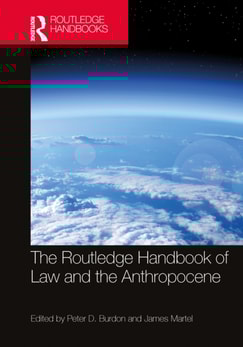
The Routledge Handbook of Law and the Anthropocene provides a critical survey into the function of law and governance during a time when humans have the power to impact the Earth system.
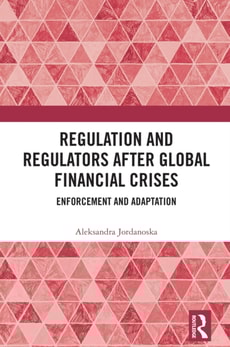
This book provides an original theoretically and empirically grounded analysis of regulatory enforcement activism in post-crises periods and the ensuing regulatory interactions.
This book offers a comprehensive overview of the relationship between Foreign Direct Investment (FDI) regulation and sustainable development in Bangladesh.
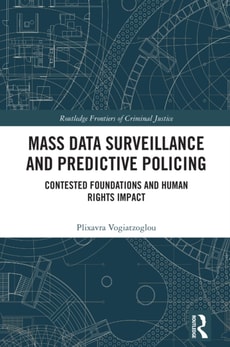
This book critically assesses legal frameworks involving the bulk processing of personal data, initially collected by the private sector, to predict and prevent crime through advanced profiling technologies.
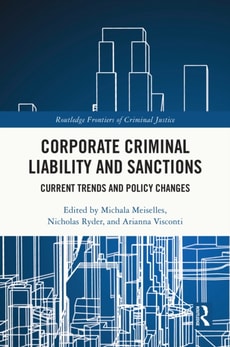
This edited collection sheds light on the evolution of corporate financial crime, exploring a myriad of offenses ranging from money laundering and fraud to market manipulation and bribery.
This book investigates the historical economic and legal regimes that legitimated the resource extraction and exploitation of Africa between the 15th and 19th centuries and led to the continent's trajectory of underdevelopment in the world system.
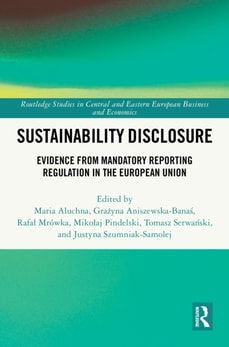
Sustainability Disclosure examines the evolution of sustainability disclosure resulting from the implementation of mandatory reporting legislation within the European Union using the evidence from the Non-Financial Reporting Directive (NFRD) and Corporate Sustainability Reporting Directive (CSRD).
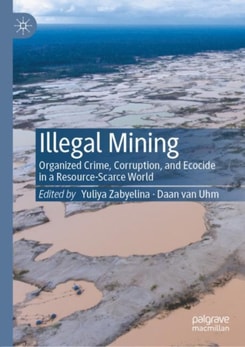
This book provides a comprehensive analysis of the illegal extraction of metals and minerals from the perspectives of organized crime theory, green criminology, anti-corruption studies, and victimology.
Property Law and Climate Change: Inextricably Linked reveals a critical oversight in global climate action: the failure to integrate property law into climate policy and regulatory frameworks.
This book outlines the role of expert testimony in a trial, including explanations of methods, testing, and science, the legal process, and an overview of the roles of each player.
This book explores the multifaceted implications of technological innovation on legal systems, addressing how emerging technologies enhance, challenge, and necessitate reform in legal practice and governance, with a focus on artificial intelligence, big data, and blockchain.
This book outlines the role of expert testimony in a trial, including explanations of methods, testing, and science, the legal process, and an overview of the roles of each player.
This book explores the multifaceted implications of technological innovation on legal systems, addressing how emerging technologies enhance, challenge, and necessitate reform in legal practice and governance, with a focus on artificial intelligence, big data, and blockchain.
This book considers the challenges faced within criminal justice systems across a range of African jurisdictions, identifying recent efforts at reform, and highlighting instances of best practice.
This book considers the challenges faced within criminal justice systems across a range of African jurisdictions, identifying recent efforts at reform, and highlighting instances of best practice.
Machine Music: How AI is Transforming Music's Next Act explores the seismic impact of AI on the music industry - offering a sweeping yet grounded analysis of how AI and generative tools are reshaping what it means to make, monetize, and experience music.
Machine Music: How AI is Transforming Music's Next Act explores the seismic impact of AI on the music industry - offering a sweeping yet grounded analysis of how AI and generative tools are reshaping what it means to make, monetize, and experience music.