We often hear-with particular frequency during recent Supreme Court nomination hearings-that justices should not create constitutional rights, but should instead enforce the rights that the Constitution enshrines.
States of Exception in American History brings to light the remarkable number of instances since the Founding in which the protections of the Constitution have been overridden, held in abeyance, or deliberately weakened for certain members of the polity.
While many recent observers have accused American judges-especially Supreme Court justices-of being too driven by politics and ideology, others have argued that judges are justified in using their positions to advance personal views.
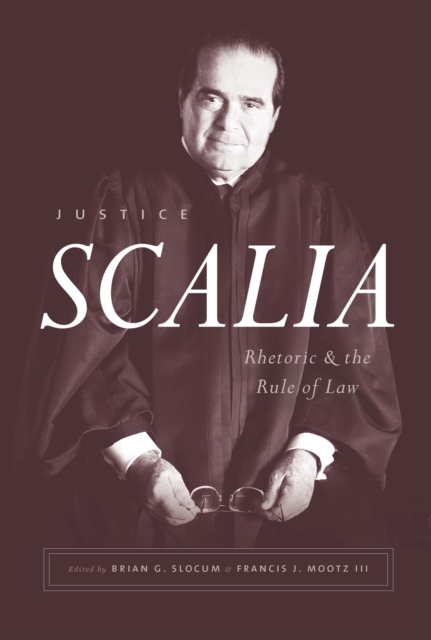
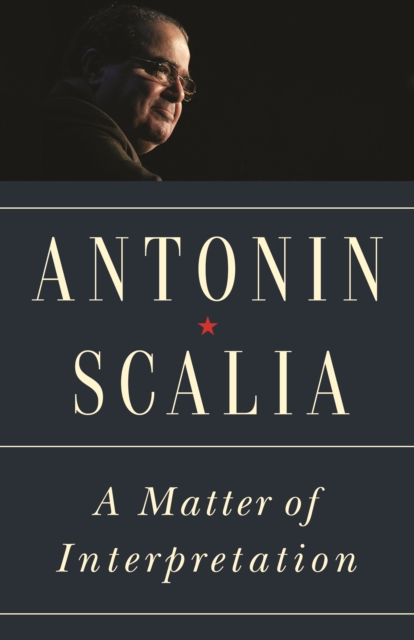
Justice Antonin Scalia (1936-2016) was the single most important figure in the emergence of the "e;new originalist"e; interpretation of the US Constitution, which sought to anchor the court's interpretation of the Constitution to the ordinary meaning of the words at the time of drafting.
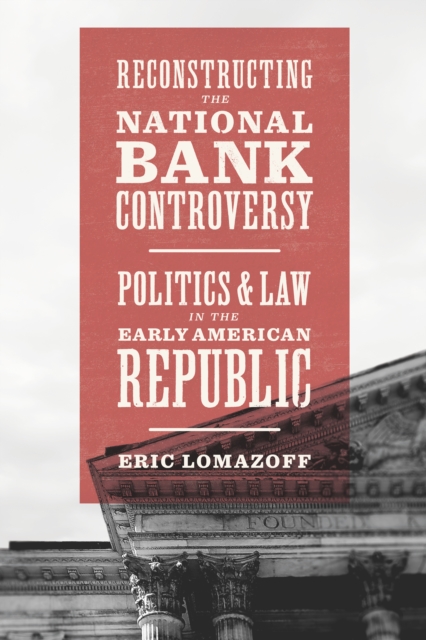
The Bank of the United States sparked several rounds of intense debate over the meaning of the Constitution's Necessary and Proper Clause, which authorizes the federal government to make laws that are "e;necessary"e; for exercising its other powers.
The 2016 presidential election campaign and its aftermath have underscored worrisome trends in the present state of our democracy: the extreme polarization of the electorate, the dismissal of people with opposing views, and the widespread acceptance and circulation of one-sided and factually erroneous information.
The Bank of the United States sparked several rounds of intense debate over the meaning of the Constitution's Necessary and Proper Clause, which authorizes the federal government to make laws that are "e;necessary"e; for exercising its other powers.
For centuries, the writ of habeas corpus has served as an important safeguard against miscarriages of justice, and today it remains at the center of some of the most contentious issues of our time-among them terrorism, immigration, crime, and the death penalty.
In the years since the passage of the Patient Protection and Affordable Care Act (PPACA, or, colloquially, Obamacare), most of the discussion about it has been political.
Irreverent, provocative, and engaging, Desperately Seeking Certainty attacks the current legal vogue for grand unified theories of constitutional interpretation.
The Constitution in the Supreme Court: The Second Century traces the development of the Supreme Court from Chief Justice Fuller (1888-1910) to the retirement of Chief Justice Burger (1969-1986).
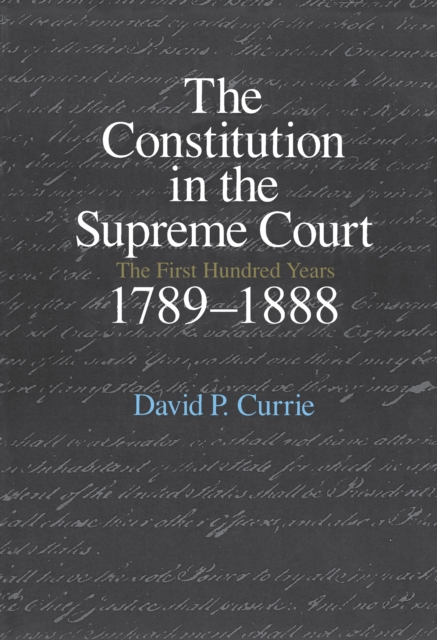
Currie's masterful synthesis of legal analysis and narrative history, gives us a sophisticated and much-needed evaluation of the Supreme Court's first hundred years.
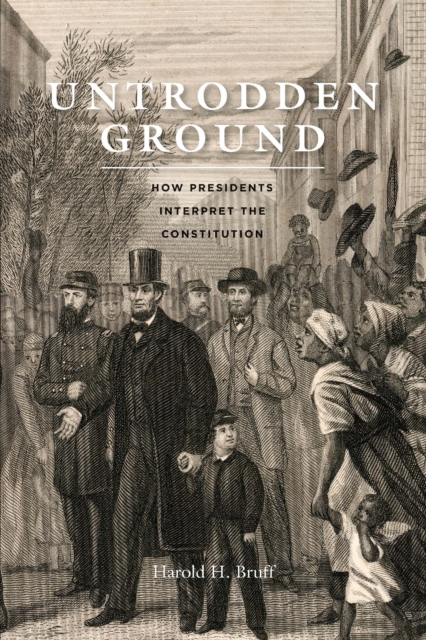
When Thomas Jefferson struck a deal for the Louisiana Purchase in 1803, he knew he was adding a new national power to those specified in the Constitution, but he also believed his actions were in the nation's best interest.
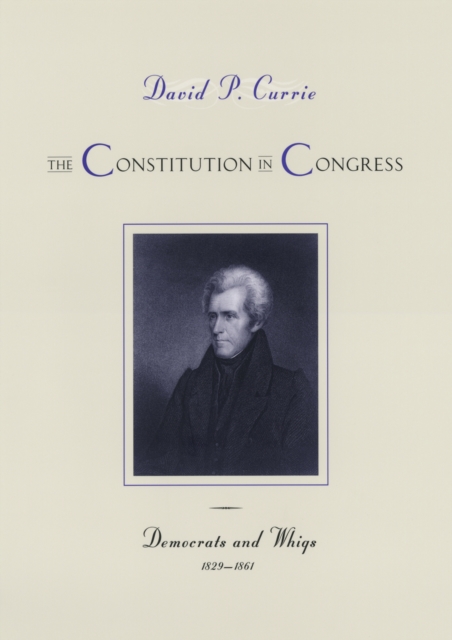
The Constitution in Congress series has been called nothing less than a biography of the US Constitution for its in-depth examination of the role that the legislative and executive branches have played in the development of constitutional interpretation.
Originally published in 1989, in this remarkable conjunction of constitutional theory, jurisprudence, literary theory, constitutional law, and political theory, William Conklin first tells us what a constitution is not: it is not a text, nor a compendium of judicial and legislative decisions interpreting a text, nor a set of doctrines, nor moral/political values, nor customs, nor a priori conceptions.
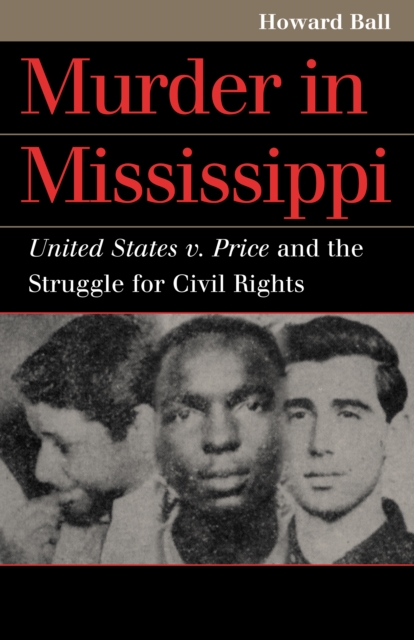
Few episodes in the modern civil rights movement were more galvanizing or more memorialized than the brutal murders of Michael Schwerner, Andrew Goodman, and James Chaneyidealists eager to protect and promote the rights of black Americans, even in the deep and very dangerous South.
This book discusses to what extent and how constitutional design and practice in Latin America have helped in combatting the subordination of women and LGBTQIA+ people.
This book discusses to what extent and how constitutional design and practice in Latin America have helped in combatting the subordination of women and LGBTQIA+ people.
Les personnes de nationalité étrangère condamnées pour une infraction pénale peuvent être renvoyées du territoire suisse en vertu d'une décision de l'autorité compétente en matière migratoire ou d'une expulsion prononcée par le juge pénal.
En esta segunda edición del libro, se propone identificar algunas problemáticas del sistema de comercio internacional, o por lo menos aquellas que afectan a Colombia, y plantea algunas soluciones a partir de los principios sobre los cuales se erige este sistema, como el principio de no discriminación o principio de liberalización del comercio, sin olvidar, los principios que son el fundamento de las relaciones internacionales en el Estado social de derecho colombiano, como los principios reciprocidad, equidad y conveniencia nacional.