The Immigration Act of 1965 was one of the most consequential laws ever passed in the United States and immigration policy continues to be one of the most contentious areas of American politics.
The Courage of their Convictions cites sixteen landmark civil liberties cases and the individuals who challenged laws that they felt impinged upon their personal freedom and who took their battles to the nation's highest court of law.
'Nathan Law's agonising account of China's ruthless takeover of Hong Kong provides a terrible insight into Beijing's ambitions - the world needs to read this.
On 5 June 2013, the Guardian began publishing a series of documents leaked by NSA contractor Edward Snowden, revealing the extent of internet surveillance undertaken by government and intelligence agencies.
"e;Polygamy, Bigamy and Human Rights Law"e; focusses mainly on UK law, but has been cited in international research on polygamy, and referred to in the British Columbia Supreme Court in the 2010-11 Polygamy Reference Case in Canada, where the book was entered into evidence as an exhibit and relied upon both by those arguing for decriminalisation of polygamy, and those seeking to maintain polygamy as a criminal offence.
An essential primer on impeachment for today's divided public squareWe are witnessing an unprecedented moment in American politics in which impeachments are increasingly common.
Durante la pandemia causada por el virus COVID-19 pudo comprobarse cómo actúa la cláusula constitucional del Estado social en una situación excepcional de crisis sanitaria y económica.
As a pioneer of the modern legal novel and a criminal lawyer, Scott Turow has been involved with the death penalty for more than a decade, including successfully representing two different men convicted in death-penalty prosecutions.
Acute, questioning, humane and passionately concerned for justice, Helena Kennedy is one of the most powerful voices in legal circles in Britain today.
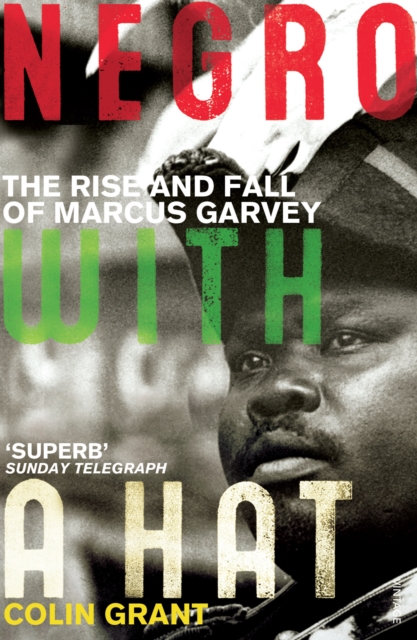
Discover the definitive biography of Marcus Garvey 'Grant is an accomplished storyteller and writes with an elegance leavened by wit and cynicism that makes this book eminently readable' Guardian At one time during the first half of the twentieth century, Marcus Garvey was the most famous black man on the planet.
Pass the British Citizenship Test will enable you to pass the test which will allow you to apply for for indefinite leave to remain or naturalisation as a British citizen.
Este libro analiza la relación entre la inteligencia artificial (IA) y los decisores humanos en la toma de resoluciones administrativas automatizadas, tomando en consideración el Reglamento de la Unión Europea (UE) de Inteligencia Artificial de 2024, publicado en el Diario Oficial de la UE el 12 de julio de 2024, y la legislación española, con el objeto de proponer mejoras normativas en España y analizar cómo deba ser el control judicial contencioso-administrativo adecuado de las decisiones adoptadas por las AdministracionesPúblicas con IA.
A new interpretation of the Holy Roman Empire that reveals why it was not a failed state as many historians believeThe Holy Roman Empire emerged in the Middle Ages as a loosely integrated union of German states and city-states under the supreme rule of an emperor.
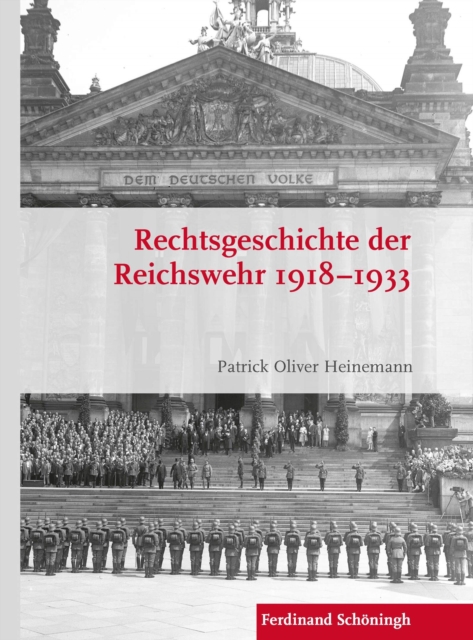
Der Autor zeigt mit der Rechtsgeschichte der Reichswehr 1918–1933 das Spannungsverhältnis auf, in dem die Weimarer Republik zum Militär als Ganzem wie auch dem einzelnen Soldaten stand.
A unique primer on how to think intelligently about the thorniest public issues confronting us todayLet's be honest, we've all expressed opinions about difficult hot-button issues without always thinking them through.
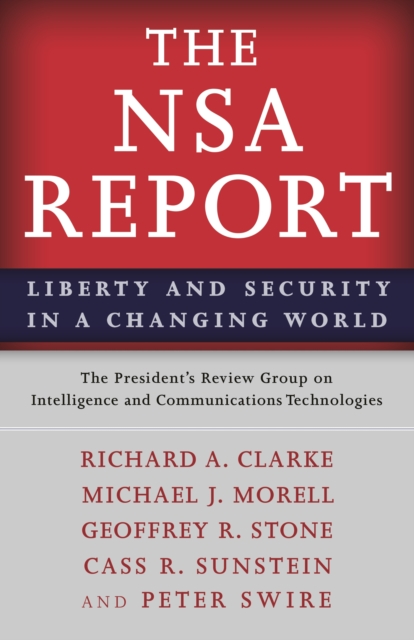
The official report that has shaped the international debate about NSA surveillance"e;We cannot discount the risk, in light of the lessons of our own history, that at some point in the future, high-level government officials will decide that this massive database of extraordinarily sensitive private information is there for the plucking.
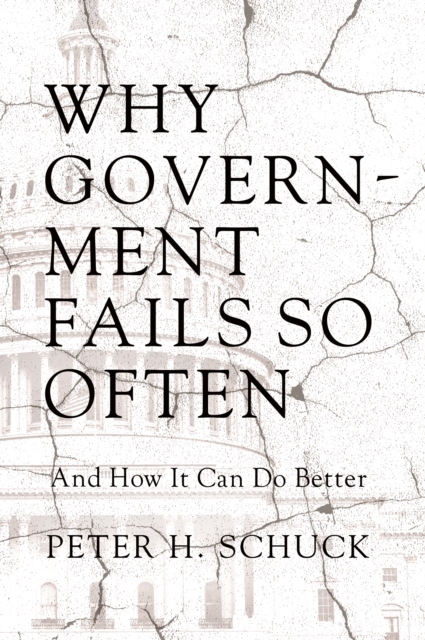
How government can implement more successful policies, more oftenFrom healthcare to workplace and campus conduct, the federal government is taking on ever more responsibility for managing our lives.
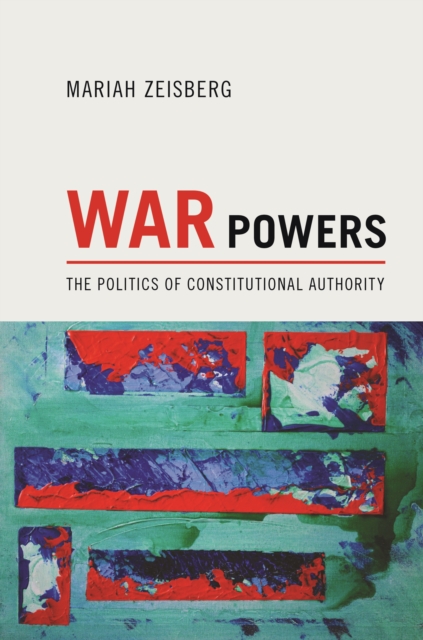
Armed interventions in Libya, Haiti, Iraq, Vietnam, and Korea challenged the US president and Congress with a core question of constitutional interpretation: does the president, or Congress, have constitutional authority to take the country to war?
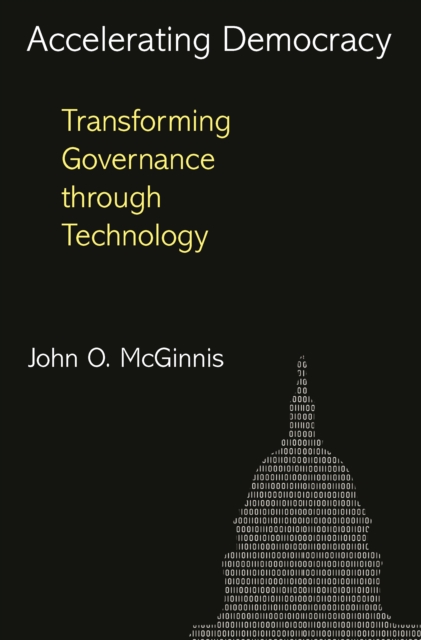
How to adapt democracy to the accelerating pace of technological change-and why it's critical that we doSuccessful democracies throughout history-from ancient Athens to Britain on the cusp of the industrial age-have used the technology of their time to gather information for better governance.
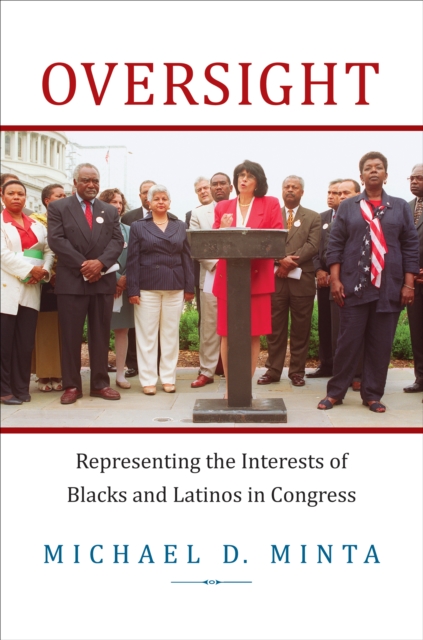
Oversight answers the question of whether black and Latino legislators better represent minority interests in Congress than white legislators, and it is the first book on the subject to focus on congressional oversight rather than roll-call voting.
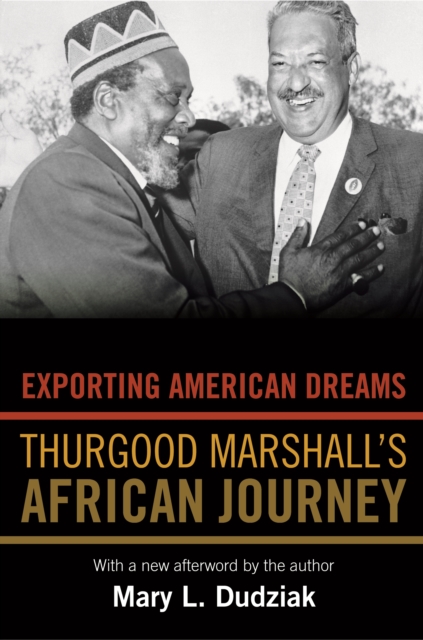
Mary Dudziak's Exporting American Dreams tells the little-known story of Thurgood Marshall's work with Kenyan leaders as they fought with the British for independence in the early 1960s.
The Judge as Political Theorist examines opinions by constitutional courts in liberal democracies to better understand the logic and nature of constitutional review.
In The Religious Left and Church-State Relations, noted constitutional law scholar Steven Shiffrin argues that the religious left, not the secular left, is best equipped to lead the battle against the religious right on questions of church and state in America today.
According to conventional wisdom in American legal culture, the 1870s to 1920s was the age of legal formalism, when judges believed that the law was autonomous and logically ordered, and that they mechanically deduced right answers in cases.