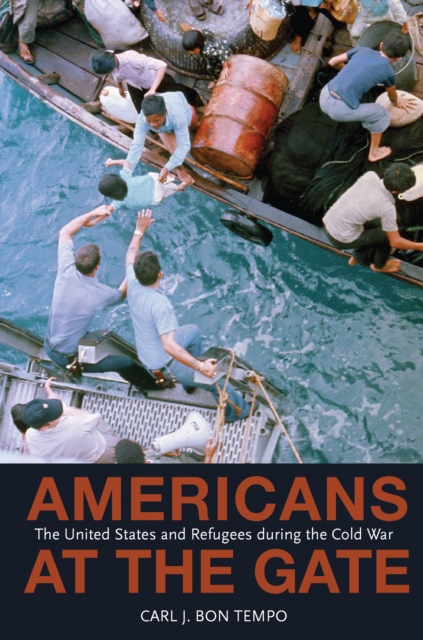
Unlike the 1930s, when the United States tragically failed to open its doors to Europeans fleeing Nazism, the country admitted over three million refugees during the Cold War.
Balancing respect for religious conviction and the values of liberal democracy is a daunting challenge for judges and lawmakers, particularly when religious groups seek exemption from laws that govern others.
Balancing respect for religious conviction and the values of liberal democracy is a daunting challenge for judges and lawmakers, particularly when religious groups seek exemption from laws that govern others.
Whether examining election outcomes, the legal status of terrorism suspects, or if (or how) people can be sentenced to death, a judge in a modern democracy assumes a role that raises some of the most contentious political issues of our day.
Tyrannicide uses a captivating narrative to unpack the experiences of slavery and slave law in South Carolina and Massachusetts during the Revolutionary Era.
In Varieties of Sovereignty and Citizenship, scholars from a wide range of disciplines reflect on the transformation of the world away from the absolute sovereignty of independent nation-states and on the proliferation of varieties of plural citizenship.
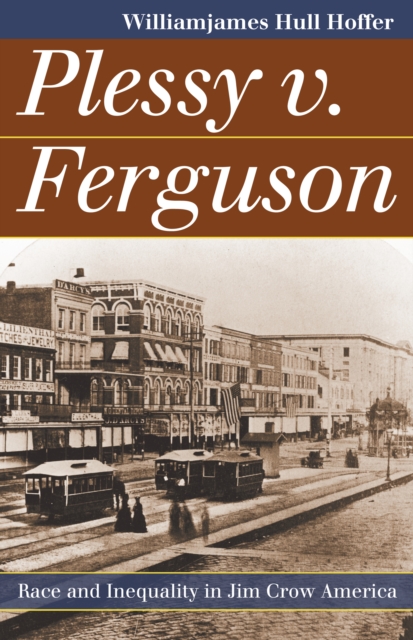
Six decades before Rosa Parks boarded her fateful bus, another traveler in the Deep South tried to strike a blow against racial discriminationbut ultimately fell short of that goal, leading to the Supreme Courts landmark 1896 decision in Plessy v.
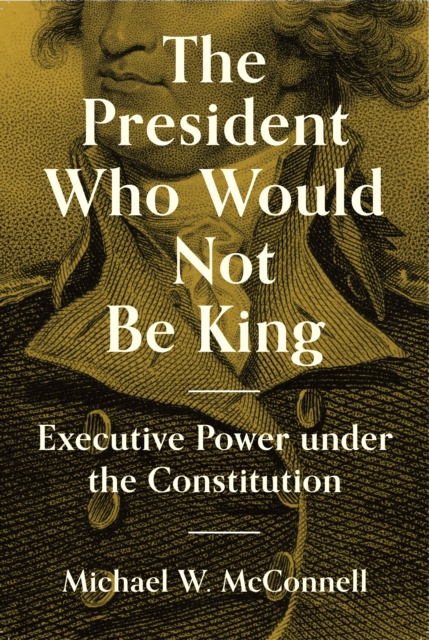
Vital perspectives for the divided Trump era on what the Constitution's framers intended when they defined the extent-and limits-of presidential powerOne of the most vexing questions for the framers of the Constitution was how to create a vigorous and independent executive without making him king.
A bold new approach to combatting the inherent corruption of representative democracyThis provocative book reveals how the majority of modern liberal democracies have become increasingly oligarchic, suffering from a form of structural political decay first conceptualized by ancient philosophers.
How the executive branch-not the president alone-formulates executive orders, and how this process constrains the chief executive's ability to act unilaterallyThe president of the United States is commonly thought to wield extraordinary personal power through the issuance of executive orders.
An authoritative guide to federal democracy from two respected experts in the fieldAround the world, federalism has emerged as the system of choice for nascent republics and established nations alike.
A comprehensive account of how the Athenian constitution was created-with lessons for contemporary constitution-buildingWe live in an era of constitution-making.
Why there should be a larger role for the judiciary in American foreign relationsIn the past several decades, there has been a growing chorus of voices contending that the Supreme Court and federal judiciary should stay out of foreign affairs and leave the field to Congress and the president.
A history of the battles over US immigrants' rights since 1965-and how these conflicts reshaped access to education, employment, civil liberties, and moreThe 1965 Hart-Celler Act transformed the American immigration system by abolishing national quotas in favor of a seemingly egalitarian approach.
A moving, eye-opening polemic about the US-Mexico border and what happens to the tens of thousands of unaccompanied Mexican and Central American children arriving in the US without papers'We are driving across Oklahoma in early June when we first hear about the waves of children arriving, alone and undocumented, from Mexico and Central America.
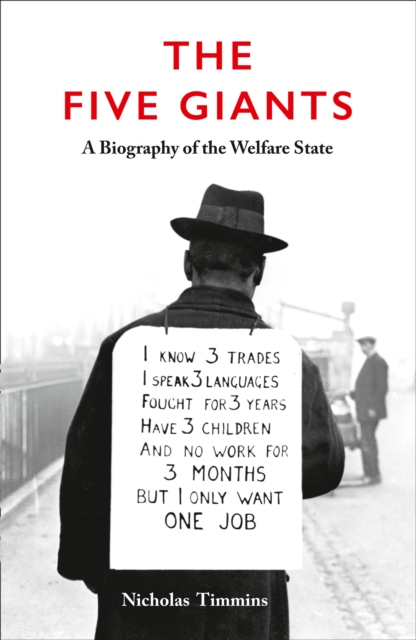
A TIMES POLITICAL BOOK OF THE YEARA LONGMAN/HISTORY TODAY BOOK OF THE YEARThe award-winning history of the British Welfare State -now fully revised and updated for the 21st Century.
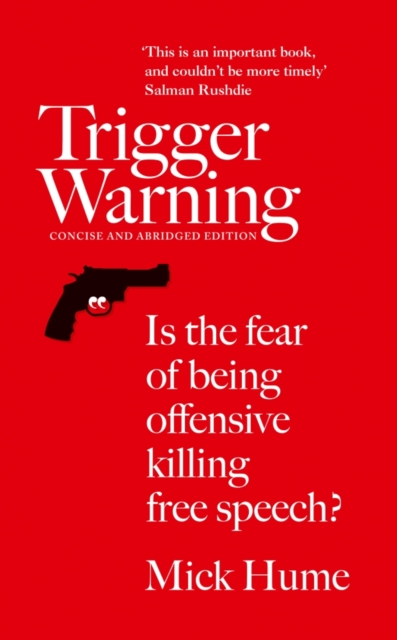
Concise and Abridged EditionIn this blistering polemic, veteran journalist Mick Hume presents an uncompromising defence of freedom of expression, which he argues is threatened in the West, not by jackbooted censorship but by a creeping culture of conformism and You-Can't-Say-That.
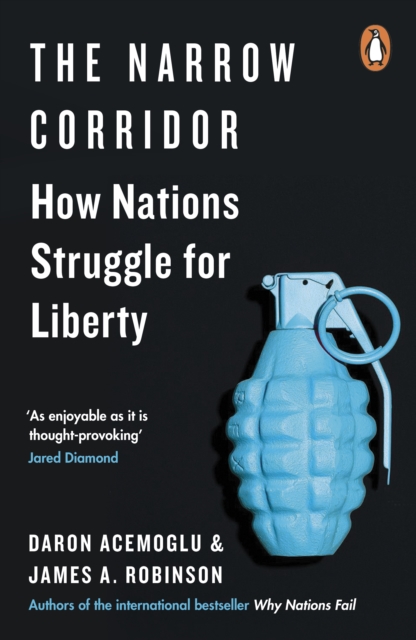
'As enjoyable as it is thought-provoking' Jared DiamondBy the authors of the international bestseller Why Nations Fail, based on decades of research, this powerful new big-picture framework explains how some countries develop towards and provide liberty while others fall to despotism, anarchy or asphyxiating norms - and explains how liberty can thrive despite new threats.
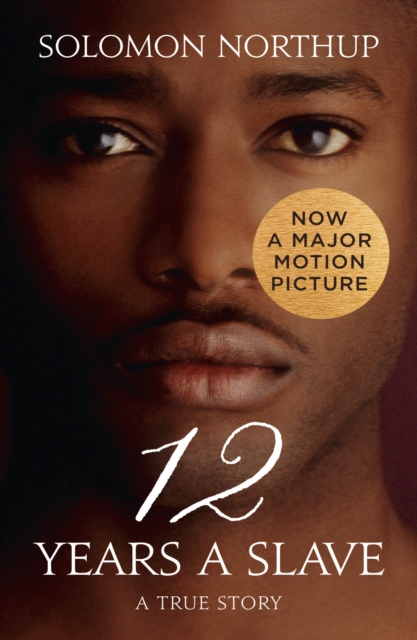
HarperCollins is proud to present this shocking first-hand account of one man's remarkable fight for freedom which became an award-winning motion picture in our range of timeless literary classics.
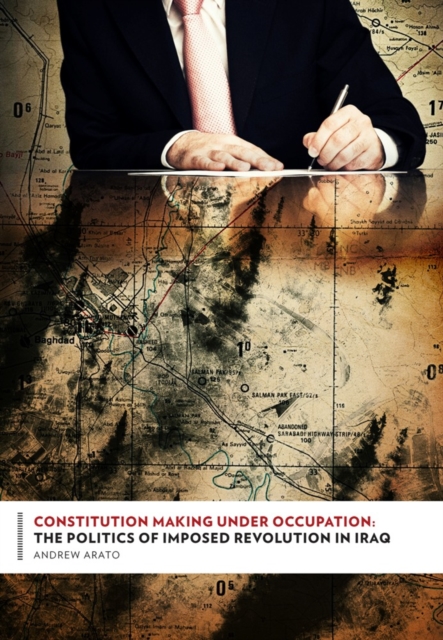
The attempt in 2004 to draft an interim constitution in Iraq and the effort to enact a permanent one in 2005 were unintended outcomes of the American occupation, which first sought to impose a constitution by its agents.
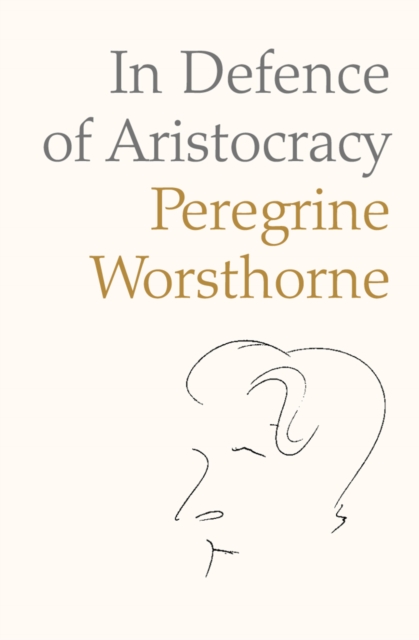
In this controversial and hotly discussed book, Sir Peregrine presents a reactionary and playful look at the origins, evolution and demise of the aristocracy.
A radical and exciting history of a city - its culture, its people and its politics - that refreshes our image of Europe's past and of the writing of history itself.
"e;A must-read for this era"e; that lays out in common sense language how the US Constitution works, and how its protections are eroding before our eyes (Jake Tapper, CNN Anchor and Chief Washington Correspondent).
The uncompromising Nick Cohen exposes the reality behind the freedoms we enjoy in the book that won Polemic of the Year at the 2013 Political Book Awards.
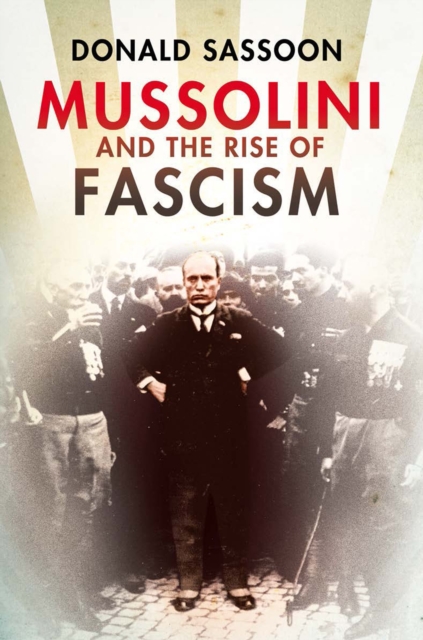
In this fascinating look at the unique conjuncture of factors surrounding Il Duce's seizure of power, eminent historian Donald Sassoon traces the political circumstances that sent Italy on a collision course with the most destructive war of the century.
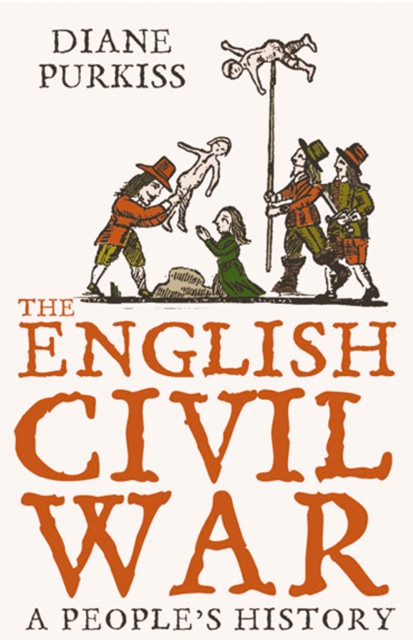
This popular history of the English Civil War tells the story of the bloody conflict between Oliver Cromwell and Charles I from the perspectives of those involved.