No ha habido quizás en Europa otro periodo histórico en el que la ciencia jurídica desempeñara un papel tan relevante como durante la vigencia de la Constitución de Weimar.
A leading legal scholar explores how the constitutional right to seek justice has been restricted by the Supreme CourtThe Supreme Court's decisions on constitutional rights are well known and much talked about.
How the Supreme Court's move to the right has distorted both logic and the ConstitutionWhat Supreme Court justices do is far more than just "e;calling balls and strikes.
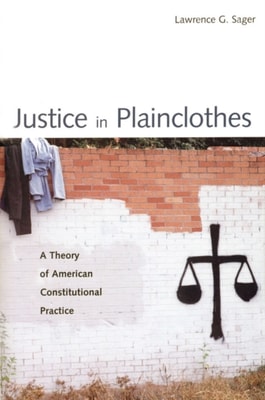
In this important book, Lawrence Sager, a leading constitutional theorist, offers a lucid understanding and compelling defense of American constitutional practice.
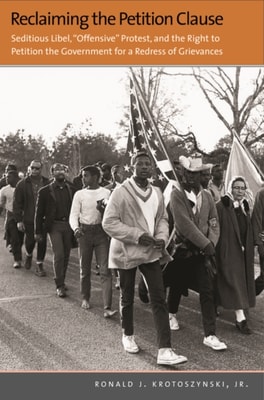
Since the 2004 presidential campaign, when the Bush presidential advance team prevented anyone who seemed unsympathetic to their candidate from attending his ostensibly public appearances, it has become commonplace for law enforcement officers and political event sponsors to classify ordinary expressions of dissent as security threats and to try to keep officeholders as far removed from possible protest as they can.
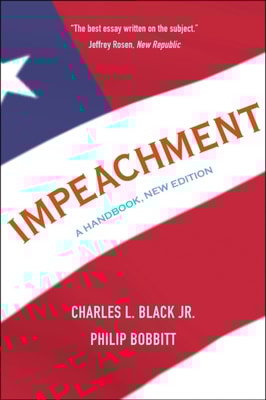
Originally published at the height of the Watergate crisis, Charles Black’s classic Impeachment: A Handbook has long been the premier guide to the subject of presidential impeachment.
In this provocative book, two leading law professors challenge the existing campaign reform agenda and present a new initiative that avoids the mistakes of the past.
This new edition upon the 50th anniversary of In re Gault includes expanded coverage of the Roberts Courts juvenile justice decisions including Miller v.
Though Clarence Thomas has been a Supreme Court Justice for nearly 25 years and has written close to five hundred opinions, legal scholars and pundits have given him short shrift, often, in fact, dismissing him as a narrow partisan, a silent presence on the bench, an enemy of his race, a tool of Antonin Scalia.
How a nineteenth-century lawsuit over the estate of a wealthy Tunisian Jew shines new light on the history of belongingIn the winter of 1873, Nissim Shamama, a wealthy Jew from Tunisia, died suddenly in his palazzo in Livorno, Italy.
A comprehensive account of how the Athenian constitution was created-with lessons for contemporary constitution-buildingWe live in an era of constitution-making.
An incisive and sympathetic examination of the case for ending the practice of imprisonmentDespite its omnipresence and long history, imprisonment is a deeply troubling practice.
Asylum, Welfare and the Cosmopolitan Ideal: A Sociology of Rights puts forward the argument that rights must be understood as part of a social process: a terrain for strategies of inclusion and exclusion but also of contestation and negotiation.
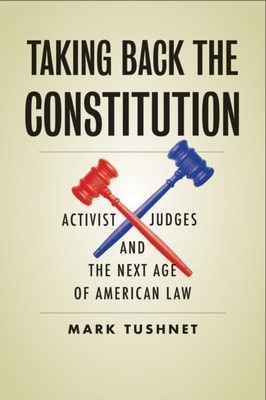
Here a leading scholar in constitutional law, Mark Tushnet, challenges hallowed American traditions of judicial review and judicial supremacy, which allow U.
Balancing respect for religious conviction and the values of liberal democracy is a daunting challenge for judges and lawmakers, particularly when religious groups seek exemption from laws that govern others.
Privacy Rights: Cases Lost and Causes Won Before the Supreme Court is a unique and timely study of the judicial process as it confronts four privacy issues: birth control, gay rights, abortion, and the right to die.
For more than two hundred years a debate has raged between those who believe that jurists should follow the original intentions of the Founding Fathers and those who argue that the Constitution is a living document subject to interpretation by each succeeding generation.