This book offers an anthropological inquiry into the labor underpinning immigration detention in Sweden, examining the daily practices, institutional efforts, and forms of knowledge production that sustain the detention regime.
This book offers an anthropological inquiry into the labor underpinning immigration detention in Sweden, examining the daily practices, institutional efforts, and forms of knowledge production that sustain the detention regime.
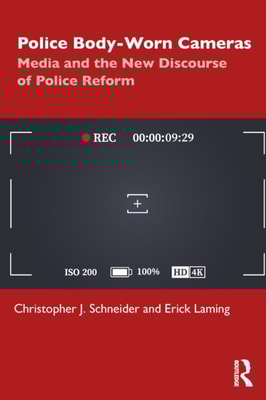
Focusing on discourses surrounding the introduction and use of body-worn cameras, this book contends that the principal catalyst for equipping frontline officers with cameras is linked to media narratives concerning beliefs about their effectiveness in bringing about police reform.
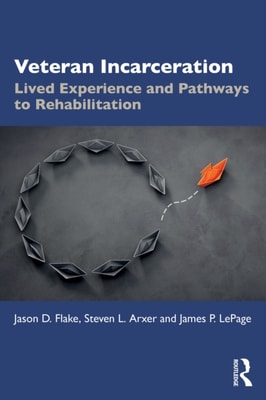
Through qualitative interviews with formerly incarcerated veterans, this book focuses on the lived experiences, and behaviors associated with the incarceration of veterans.
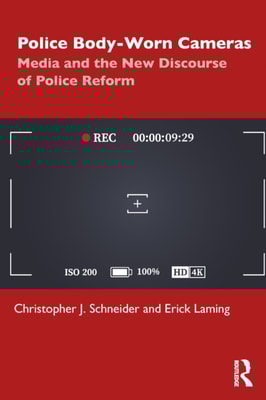
Focusing on discourses surrounding the introduction and use of body-worn cameras, this book contends that the principal catalyst for equipping frontline officers with cameras is linked to media narratives concerning beliefs about their effectiveness in bringing about police reform.
Through qualitative interviews with formerly incarcerated veterans, this book focuses on the lived experiences, and behaviors associated with the incarceration of veterans.
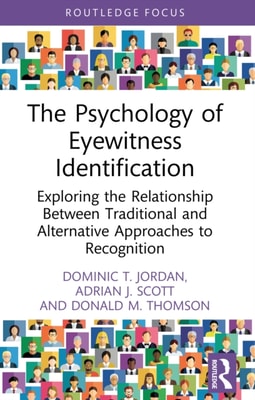
Arguing for a need to modify investigatory and legal processes so that they align with the capabilities of witnesses and reflect the memorial and decision processes that inform recognition judgements, this book examines two radical alternative approaches to lineup-based recognition that do not require witnesses to identify a perpetrator: Non-categorical confidence and non-categorical similarity judgements.
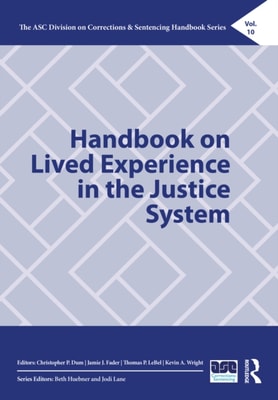
This volume offers a diverse set of scholarly essays on the imaginative potential of corrections and sentencing research/practice that centers on the lived experience of the criminal legal system.
This volume offers a diverse set of scholarly essays on the imaginative potential of corrections and sentencing research/practice that centers on the lived experience of the criminal legal system.
Arguing for a need to modify investigatory and legal processes so that they align with the capabilities of witnesses and reflect the memorial and decision processes that inform recognition judgements, this book examines two radical alternative approaches to lineup-based recognition that do not require witnesses to identify a perpetrator: Non-categorical confidence and non-categorical similarity judgements.