Put ideas into practice using theoretical concepts and real-life examples The MBA Handbook, 9th Edition by Cameron is a vital resource for MBA and other postgraduate management students to gain maximum learning benefit from their programme.
Elliott & Quinn's Criminal Law has been specifically designed to introduce you to the legal principles, cases and statutes at play in this core subject area.
Chronicling and analyzing resistance to the threat that autocracy poses to American liberal democracy, this book provides the definitive account of the response to the January 6, 2021, assault on the Capitol and Republican efforts to overturn the 2020 election and bias future elections in their favor.
This textbook considers the full breadth of the criminal justice system, going beyond prisons to cover other punishments such as out-of-court disposals and community penalties, as well as issues around rehabilitation and reintegration.
This book, in its effort to formulate compatibility between Islamic law and the principles of international diplomatic law, argues that the need to harmonize the two legal systems and have a thorough cross-cultural understanding amongst nations generally with a view to enhancing unfettered diplomatic cooperation should be of paramount priority.
This book surveys the development of laws surrounding the crime of money laundering and the associated changes in the anti-money laundering (AML) industry.
This book addresses the idea that victims remain contested and controversial participants of justice in the twenty-first century adversarial criminal trial.
As policy-makers look first (and easily) for existing policy solutions which could be adapted from elsewhere, policy transfer becomes increasingly central to policy development.
This book explores the experiences of lesbian, gay, bisexual and trans (LGBT) communities as victims, offenders and staff within the criminal justice system.
Defining Crime explores the limitations of the legal definition of crime, how that politically based definition has shaped criminological research, and why criminologists must redefine crime to include scientific objectivity.
This book explores the burgeoning interest in alternative and innovative justice responses to sexual violence both within and outside the legal system.
This book shows how participation of interpreters as mediators changes the dynamics of police interviews, particularly with regard to power struggles and competing versions of events.
Through studies of beheaded Irish traitors, smugglers hung in chains on the English coast, suicides subjected to the surgeon's knife in Dresden and the burial of executed Nazi war criminals, this volume provides a fresh perspective on the history of capital punishment.
Since the Second World War, art crime has shifted from a relatively innocuous, often ideological crime, into a major international problem, considered by some to be the third-highest grossing criminal trade worldwide.
This volume explores the theory and practice of sentencing in England and Wales, exploring issues such as the role of previous convictions, offender remorse and sentencing female offenders, as well as drawing upon a new and unique source of data from the Crown courts.
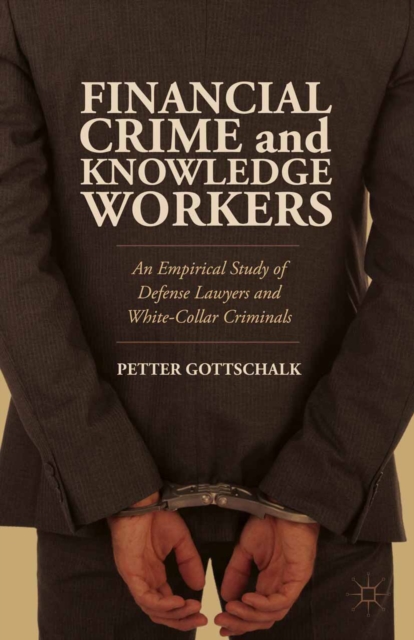
Financial Crime and Knowledge Workers examines the role of lawyers in court cases involving white-collar crimes, revealing fresh insights into the relationship between a lawyer's stature and a case's potential verdict.
An historical and contemporary account of migrant crime in Australia, this book explores a range of issues from mental health and victimology to immigration policy and legal analysis, arguing that it is birthplace, not race, which impacts upon crimes committed by migrants.
This book provides critically examines how recent international developments in victims theory and policy are experienced within specific local contexts.
The Innocent and the Criminal Justice System examines competing perspectives on, and definitions of, miscarriages of justice to tackle these questions and more in this critical sociological examination of innocence and wrongful conviction.
Criminal Capital is an engaging but authoritative account of how financial structures and products can and are being used to evade proper scrutiny and enable criminal activity and what can be done about it.
Graycar and Prenzler present a readily accessible guide to the issues of public and private sector corruption, outlining the nature and dimensions of corruption problems in a variety of settings across the world, and providing a set of practical strategies to prevent corruption that also facilitate economic growth and development.