Written by some of the leading criminologists in the country, this new title is a 'one-stop shop' for those who teach, study or are interested in criminology and the criminal justice systems of the UK.
Written by some of the leading criminologists in the country, this new title is a 'one-stop shop' for those who teach, study or are interested in criminology and the criminal justice systems of the UK.
This book highlights the tremendous shift in the traditional arrangements for the delivery of civil justice in the Commonwealth Caribbean, from litigation to alternative dispute resolution (ADR) processes.
This book highlights the tremendous shift in the traditional arrangements for the delivery of civil justice in the Commonwealth Caribbean, from litigation to alternative dispute resolution (ADR) processes.
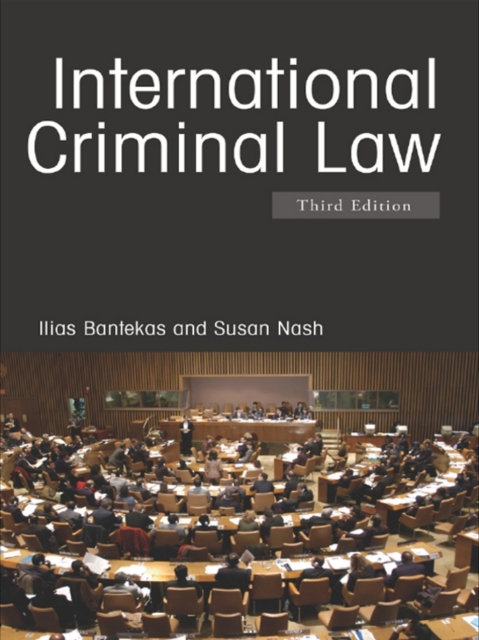
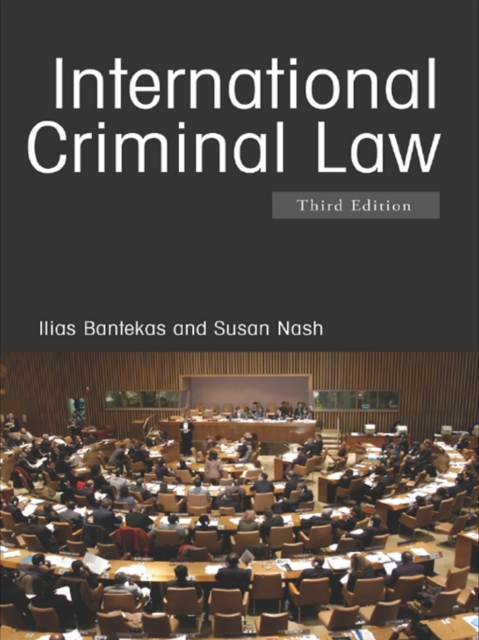
Attempts to try individuals such as Slobodan Milosevic and Saddam Hussein for international crimes and the creation of the International Criminal Court highlight the growing currency and importance of international criminal law as a discipline in its own right.
Attempts to try individuals such as Slobodan Milosevic and Saddam Hussein for international crimes and the creation of the International Criminal Court highlight the growing currency and importance of international criminal law as a discipline in its own right.
'Rediscovering' the peculiarity of feminist perspectives, rather than examining the broader range of gender-oriented analyses, in the area of legal regulation and sexuality, this edited collection avoids the 'reductionist' and 'essentialist' shortcomings of 'feminism unmodified'.
'Rediscovering' the peculiarity of feminist perspectives, rather than examining the broader range of gender-oriented analyses, in the area of legal regulation and sexuality, this edited collection avoids the 'reductionist' and 'essentialist' shortcomings of 'feminism unmodified'.
Responding to Money Laundering has its origin in the International Conference on Preventing and Controlling Money Laundering and the Use of Proceeds of Crime: A Global Approach organised by ISPAC, the International Scientific and Advisory Board of the United Nations in co-operation with the Crime and Justice Branch of the United Nations under the auspices of the Italian Government.
Responding to Money Laundering has its origin in the International Conference on Preventing and Controlling Money Laundering and the Use of Proceeds of Crime: A Global Approach organised by ISPAC, the International Scientific and Advisory Board of the United Nations in co-operation with the Crime and Justice Branch of the United Nations under the auspices of the Italian Government.
Providing an introduction to, and detailed examination of substantive, enforcement and procedural aspects of international criminal law, this book's examination of international and transnational crimes under treaty and customary law has been fully updated and revised.
Providing an introduction to, and detailed examination of substantive, enforcement and procedural aspects of international criminal law, this book's examination of international and transnational crimes under treaty and customary law has been fully updated and revised.
This book presents a selection of edited essays written by leading international scholars engaging with practicing intelligence, military, and police officers and responding to their first-hand international security cooperation experiences.
This book presents a selection of edited essays written by leading international scholars engaging with practicing intelligence, military, and police officers and responding to their first-hand international security cooperation experiences.
This book takes stock of the development of EU criminal law from the establishment of the ECSC to the first European Union criminal law directives passed after the Lisbon Treaty.
This book takes stock of the development of EU criminal law from the establishment of the ECSC to the first European Union criminal law directives passed after the Lisbon Treaty.
This book provides an empirically grounded, theoretically informed account of recent changes to the youth justice system in England and Wales, focusing on the introduction of elements of restorative justice into the heart of the criminal justice system, and the implementation of referral orders and youth offender panels.