Terrorism: Commentary on Security Documents is a series that provides primary source documents and expert commentary on various topics relating to the worldwide effort to combat terrorism, as well as efforts by the United States and other nations to protect their national security interests.
Terrorism: Commentary on Security Documents is a series that provides primary source documents and expert commentary on various topics relating to the worldwide effort to combat terrorism, as well as efforts by the United States and other nations to protect their national security interests.
Terrorism: Commentary on Security Documents is a series that provides primary source documents and expert commentary on various topics relating to the worldwide effort to combat terrorism, as well as efforts by the United States and other nations to protect their national security interests.
Terrorism: Commentary on Security Documents is a series that provides primary source documents and expert commentary on various topics relating to the worldwide effort to combat terrorism, as well as efforts by the United States and other nations to protect their national security interests.
Terrorism: Commentary on Security Documents is a series that provides primary source documents and expert commentary on various topics relating to the worldwide effort to combat terrorism, as well as efforts by the United States and other nations to protect their national security interests.
This book, the first-ever collection of primary documents on North African history and the Holocaust, gives voice to the diversity of those involved-Muslims, Christians, and Jews; women, men, and children; black, brown, and white; the unknown and the notable; locals, refugees, the displaced, and the interned; soldiers, officers, bureaucrats, volunteer fighters, and the forcibly recruited.
Terrorism, the use of military force in Afghanistan, Iraq and Syria, and the fatal police shootings of unarmed persons have all contributed to renewed interest in the ethics of police and military use of lethal force and its moral justification.
In the United States today criminal justice can vary from state to state, as various states alter the Modern Penal Code to suit their own local preferences and concerns.
In many criminal trials, forensic technical evidence is lacking and triers of fact must rely on the reliability of eyewitness statements, identifications, and testimony; however, such reports can be riddled with deceptive statements or erroneous recollections.
The notion that an individual accused of a crime is presumed innocent until proven guilty is one of the cornerstones of the American criminal justice system.
Although white-collar crime has caused a substantial amount of damage on both the individual and societal levels, it often ranks below street crime as a matter of public concern.
The notion that an individual accused of a crime is presumed innocent until proven guilty is one of the cornerstones of the American criminal justice system.
Corruption undermines nearly all key legal and developmental priorities today, including the effective functioning of democratic institutions and honest elections; environmental protection; human rights and human security; international development programs; and fair competition for global trade and investment.
Corruption undermines nearly all key legal and developmental priorities today, including the effective functioning of democratic institutions and honest elections; environmental protection; human rights and human security; international development programs; and fair competition for global trade and investment.
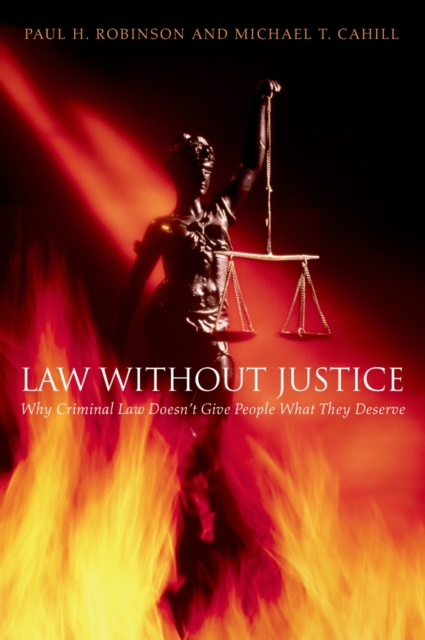
The rules governing who will be punished and how much determine a society's success in two of its most fundamental functions: doing justice and protecting citizens from crime.
Scholars and policymakers increasingly call for evidence-based, prevention-oriented, and community-driven approaches to improve public health and reduce youth crime, substance use, and related problems.
Scholars and policymakers increasingly call for evidence-based, prevention-oriented, and community-driven approaches to improve public health and reduce youth crime, substance use, and related problems.
This is a practical guide for both beginning and established linguists who have been asked by lawyers to address the language issues in their civil and criminal cases.
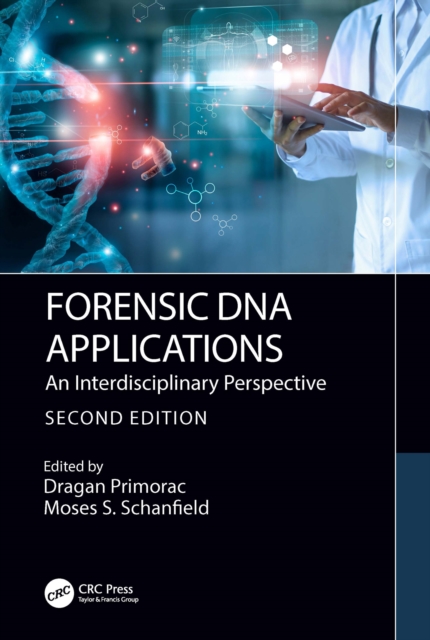
Forensic DNA Applications: An Interdisciplinary Perspective, Second Edition is fully updated to outline the latest advances in forensic DNA testing techniques and applications.
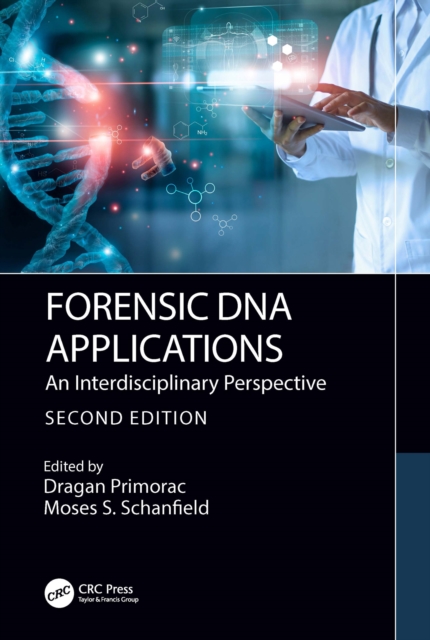
Forensic DNA Applications: An Interdisciplinary Perspective, Second Edition is fully updated to outline the latest advances in forensic DNA testing techniques and applications.
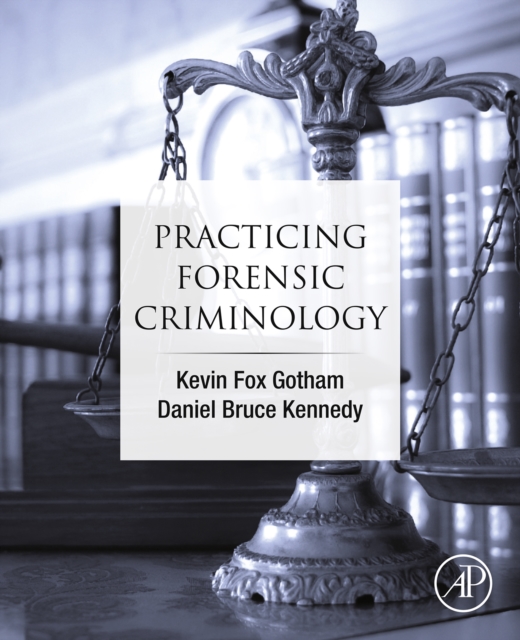
Practicing Forensic Criminology draws on examples from actual court cases and expert witness reports and testimony to demonstrate the merits and uses of substantive criminological knowledge in the applied setting of civil law and the courts.